


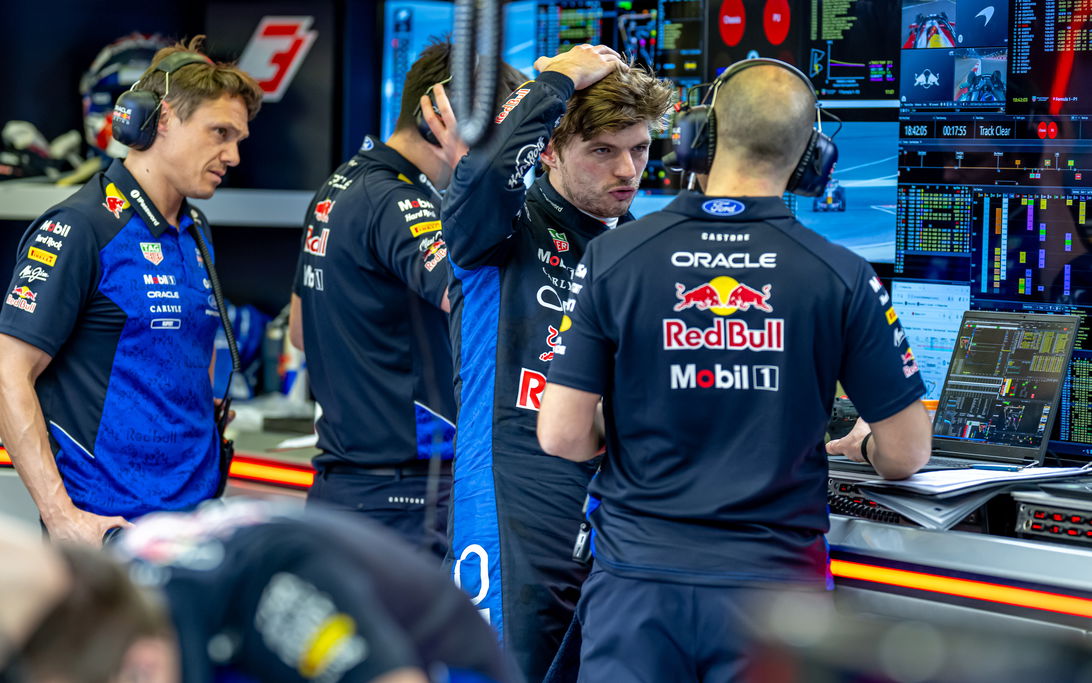
Jos Verstappen has stated that "everybody was laughing" at his son Max when he originally raised concerns over the 2026 F1 cars.
The challengers this year have been built under a new set of regulations with changes made to the aerodynamics and the power units.
However, they have left Verstappen far from impressed, who described the cars as "Formula E on steroids" and "anti-racing" during pre-season testing.
Drivers now need to heavily manage energy harvesting and deployment, a factor that heavily dictates lap time.
Speaking to Viaplay, Verstappen senior insisted his son's complaints are nothing new.
"Max was speaking about this two or three years ago," Jos said.
"He saw some data, but everybody was laughing at him at that time. [They were saying] 'Max was negative', and things like that.
"Now they have the regulations there, everybody can see it. So they should listen a little bit more to the drivers. But they don't."
Issues such as the starting procedure and wheel-to-wheel racing with the new cars have been mentioned by the drivers across pre-season testing.
Verstappen has suggested that such headaches could have been avoided earlier if the decision makers sought input from the drivers.
"I understand, drivers shouldn't decide everything," the four-time champion said.
"But when it comes to quite some logical things about racing, or at least that we can give advice, we can even jump in the simulator and test stuff, you'll figure out stuff that is bad.
"That's where sometimes F1 or the FIA, they are not understanding how important a driver can be in decisions."
Also interesting:
Join RacingNews365's Ian Parkes and Nick Golding, as they are joined by former Ferrari race engineer Rob Smedley to look ahead to the Australian GP! Max Verstappen, Lewis Hamilton and McLaren are key discussions in this special episode.
Rather watch the podcast? Then click here!

Most read

In this article
Never miss a thing from the Formula 1 season! Add the 2026 F1 schedule to your calendar at the touch of a button. Subscribe below and put the dates and times of every race directly on your PC or smartphone, so you don't miss a second from the new season.
Download the F1 calendar Download the F1 calendar
A variant with just the race and qualifying is also available.
Click here to download it..





Join the conversation!