


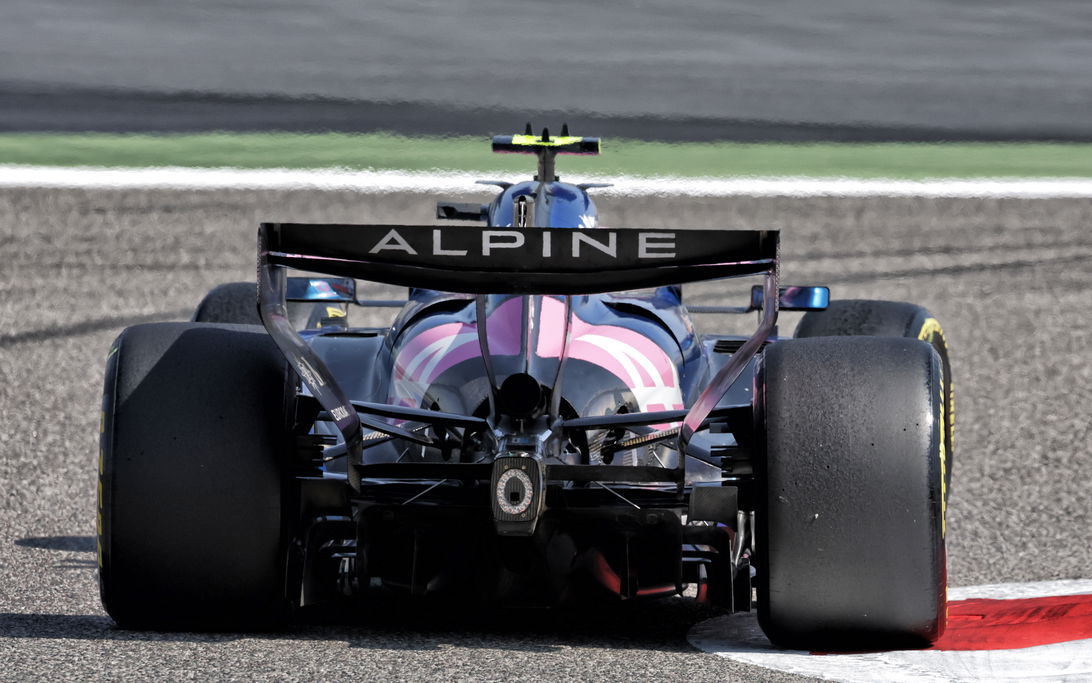
During the first official F1 pre-season test in Bahrain, it became clear that teams are effectively adopting three different types of pivot for the movable flaps of the rear wing.
Whilst DRS has been consigned to the F1 history book, active aerodynamics means that in 2026 teams will still have a rear wing— as well as a front wing — that moves.
However, with more freedom in the regulations, the paddock is already showing some early ingenuity.
In practical terms, some teams, such as Red Bull, position the pivot at the trailing edge of the upper flap.
Others, such as Audi, place the pivot exactly midway between the mainplane and the upper flap, while Alpine, for example, locates the pivot in line with the leading edge of the mainplane.
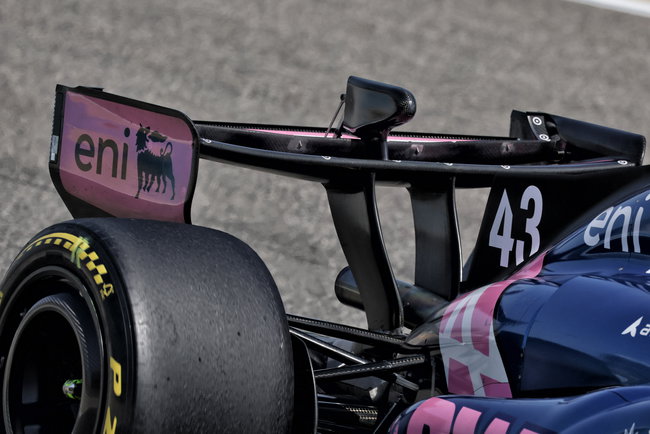
Although the function is identical — namely to neutralise the flaps on the straights — there are specific design and packaging considerations linked to each car concept that determine the choice of one position over the other two.
Positioning the pivot at the leading edge, centrally, or at the top is a decision taken on the basis of multiple aerodynamic and mechanical parameters.
The reduction in drag, measured in terms of actuation time and even by just a few milliseconds, is achieved more quickly with a low-mounted pivot.
Air pressure increases the speed at which the flap rotates into its low-drag position if the pivot is located at the leading edge of the mainplane compared with a central pivot, and even more so compared with a high pivot. In the latter case, the flap rotates upwards but must work against the pressure of the airflow.
Conversely, when the flaps return to their standard configuration, the advantages are reversed. The solution that guarantees the fastest closing speed is the high pivot, while the slowest is logically the configuration with the pivot at the leading edge of the mainplane. Audi's central-pivot solution sits between the two extremes.
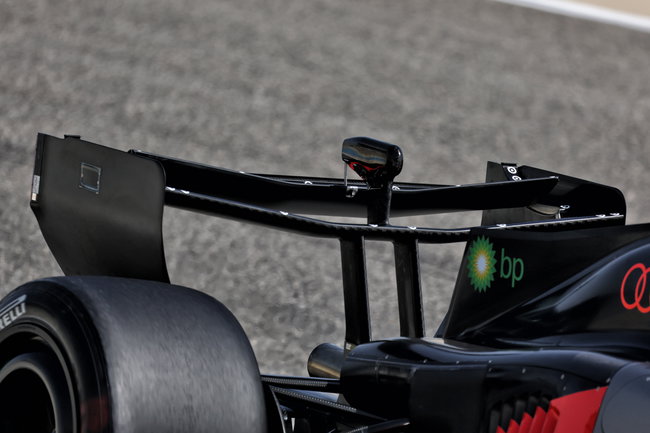
However, opening and closing speeds are far from the only parameters considered. There are also clear aerodynamic motivations linked to the effects generated by the pivot position – in other words, by the wider, narrower or even null gap created between the open flaps and the mainplane.
With a low pivot, there is greater upward deflection of the exiting airflow, which can be beneficial in achieving a complete stall of the rear wing.
By contrast, if the pivot is mounted at the trailing edge of the upper flap, the low-pressure zone between the wing and the diffuser is increased, thereby exerting a stronger influence on diffuser stall.
Audi's central-pivot solution delivers a blend of both effects, resulting in a less pronounced shift in aerodynamic balance compared with the other two configurations. These represent the broad technical principles underpinning the respective choices.
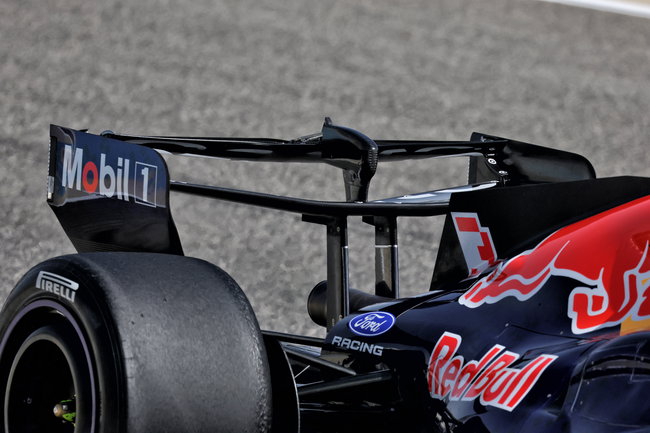
Each solution, however, must be evaluated within the overall aerodynamic philosophy of the car on which it is adopted.
The key question is whether it is more beneficial to prioritise a complete rear-wing stall or a more aggressive diffuser stall.
In both cases, the differences stem from how airflow is managed above and below the floor, with pressure distributions and aerodynamic maps that vary significantly from one car to another.
It is therefore difficult to identify a single superior approach. The actuators themselves, although differing in size and weight, do not produce substantial variations in either overall mass or drag.
Ultimately, the fascination of these design choices lies in achieving similar performance outcomes through different technical routes, despite operating within a highly prescriptive regulatory framework.
Also interesting:
In this video, we explore a fascinating Mercedes engine theory that is engulfing the F1 paddock. We break down how it works, why it matters, and why this advantage — if real — may be brilliant, legal… but only temporary.
Most read



In this article
Never miss a thing from the Formula 1 season! Add the 2026 F1 schedule to your calendar at the touch of a button. Subscribe below and put the dates and times of every race directly on your PC or smartphone, so you don't miss a second from the new season.
Download the F1 calendar Download the F1 calendar
A variant with just the race and qualifying is also available.
Click here to download it..





Join the conversation!