


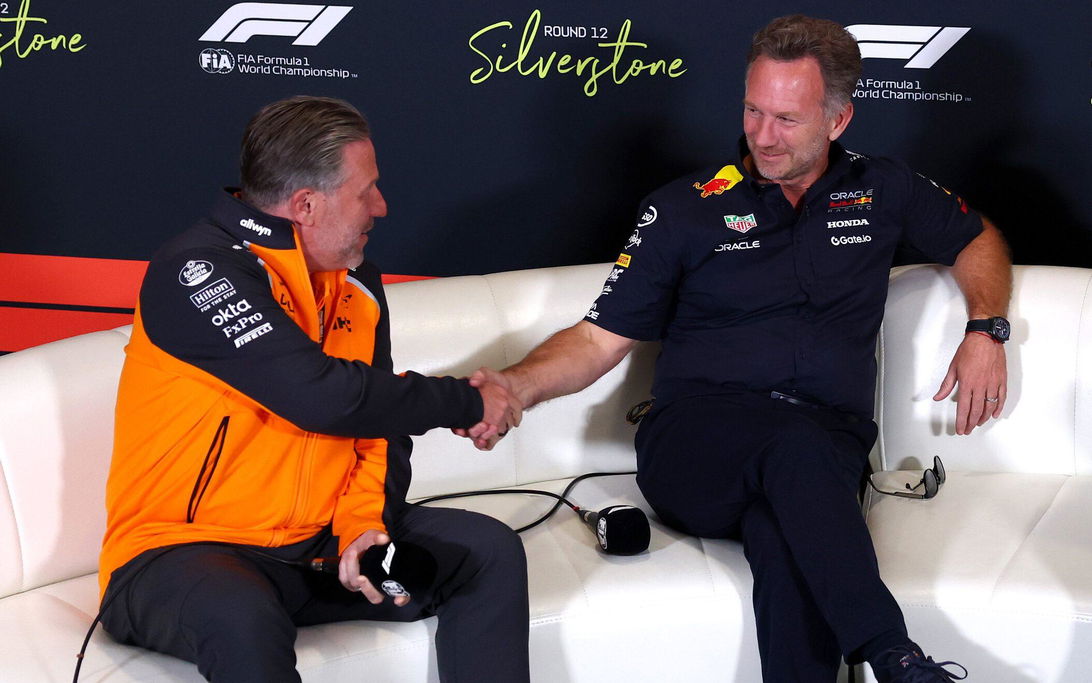
The FIA has confirmed a major increase in the financial threshold for protests, appeals and reviews in F1, raising the key deposit from €2,000 to €20,000 as part of the 2026 F1 Regulations.
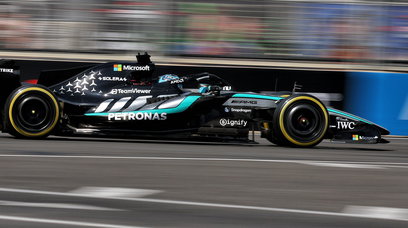
The change follows widespread paddock frustration during the 2025 season, after Red Bull submitted multiple protests targeting Mercedes driver George Russell.
The British driver — and also McLaren — publicly argued that the existing fee was far too low for teams operating with budgets in the hundreds of millions.
Red Bull twice protested Russell during the season — first after the Miami Grand Prix over an alleged failure to slow sufficiently under yellow flags, and later in Canada over the gap Russell left behind the safety car.
Both protests were dismissed by the stewards, but not before causing delays and controversy.
Russell was outspoken about the ease with which protests could be lodged, saying at the time: "If you look at the financial penalties for swearing in the heat of the moment, or touching a rear wing, then €2,000 for a team making nine-figure profits is not even going to touch the side.
"If it was a six-figure sum, maybe they’d think twice. You get your money back if you win the protest anyway, so it’s basically your own insurance."
McLaren CEO Zak Brown also took aim at Red Bull, challenging the team to pursue protests "the right way" rather than through what he described as behind-the-scenes pressure.
During the controversy surrounding tyre-water allegations, Brown said: "If someone genuinely believes something is technically not right, you are free to lodge a protest – but then put your money where your mouth is instead of playing games in the background."
Brown suggested a figure of $25,000 as a meaningful deterrent, even proposing that failed protests should be deducted from a team’s cost cap to discourage speculative accusations.
A clear signal from the FIA
The FIA's final decision falls slightly short of Brown's suggestion but still represents a tenfold increase and will be counted against a team's cost cap.
The motorsport governing body has previously acknowledged that the protest process required review following the backlash from teams and drivers.
The new structure significantly raises the financial risk attached to unsuccessful challenges, while still preserving the right to protest when teams genuinely believe regulations have been breached.
With protests, appeals and reviews now all carrying a €20,000 deposit, Formula 1 teams will be forced to think far more carefully before triggering post-race disputes — exactly the outcome Russell, Brown and others had called for.
What the new FIA regulations say
Under Section A of the 2026 F1 Regulations (General Regulatory Provisions), the following changes have been confirmed:
- Protests (Article A7.6):
Any protest must now be accompanied by a €20,000 deposit, replacing the previous €2,000 fee. The deposit may be returned if the protest is upheld. - Right of Review (Article A7.7):
Petitions for review are also subject to a €20,000 deposit, again refundable if successful. - Appeals (Article A7.5.4):
Appeals now require:- A non-refundable administrative fee of €5,000 for F1 teams, power unit manufacturers or drivers (€1,000 for other individuals), and
- A €20,000 deposit for teams, manufacturers or drivers (€6,000 for other individuals), which may be returned depending on the outcome.
The regulations also clarify that not all decisions can be appealed, with procedural and interim decisions excluded, and that sanctions under appeal are generally suspended unless the International Court of Appeal rules otherwise.
Also interesting:
Join RacingNews365's Ian Parkes, Sam Coop and Nick Golding in the final episode of the year, as Ian and Sam battle it out again in the RacingNews365 Big Fat F1 Quiz of the Year! Join in the fun by yourself or with other people to test your 2025 F1 knowledge!
Rather watch the podcast? Then click here!


Get the latest F1 news from RacingNews365 directly in your Google feed! Click on the link below and you’ll see your favourite F1 website appearing even more often. That way, you’ll never miss any news, analyses, interviews, or exclusives.
Follow RacingNews365 on GoogleMost read



In this article
Never miss a thing from the Formula 1 season! Add the 2026 F1 schedule to your calendar at the touch of a button. Subscribe below and put the dates and times of every race directly on your PC or smartphone, so you don't miss a second from the new season.
Download the F1 calendar Download the F1 calendar
A variant with just the race and qualifying is also available.
Click here to download it..





Join the conversation!