


On 16 December 1997, a courtroom in Monza delivered a verdict that brought an end to one of Formula 1’s most contentious legal sagas.
In just 60 seconds, Judge Antonio Costanzo acquitted six defendants — including Williams team founder Sir Frank Williams — of manslaughter charges linked to the death of Ayrton Senna at Imola three years earlier.
The decision concluded a 10-month trial that had loomed over the sport, raising profound questions about responsibility, safety and Formula 1’s future in Italy.
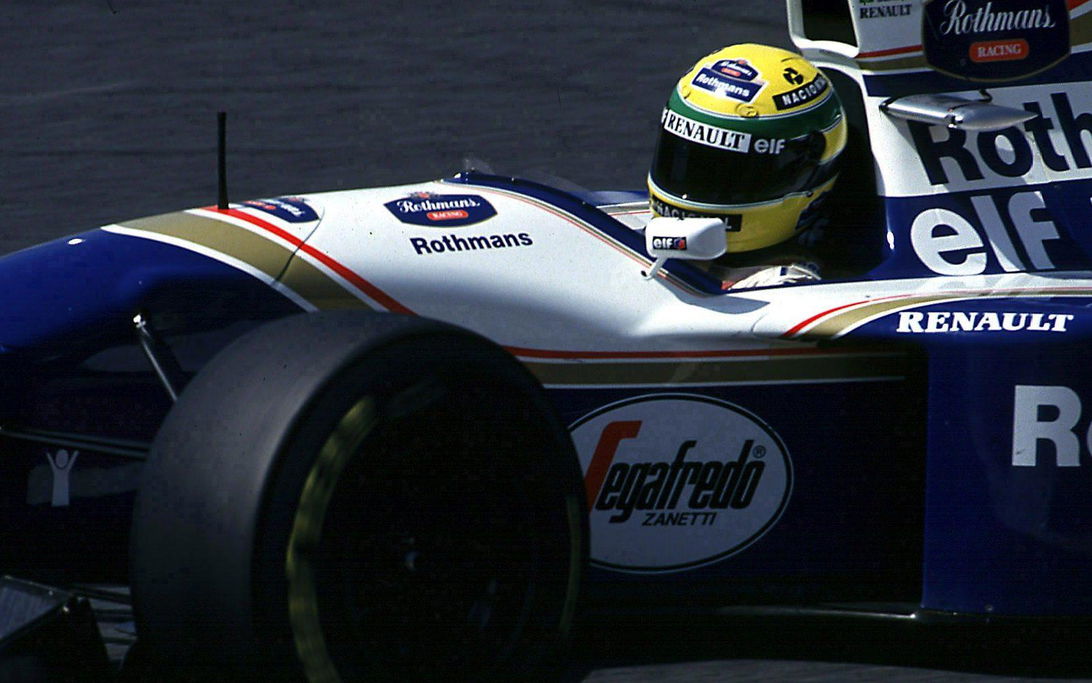
Senna was killed on 1 May 1994 when his Williams-Renault left the road at the Tamburello corner and struck a concrete wall at approximately 145mph.
Prosecutors alleged that a modified steering column had failed, causing the Brazilian to lose control. Williams technical director Patrick Head and chief designer Adrian Newey were among those accused.
Following the acquittal, Williams issued a statement from its Oxfordshire base: "Williams Grand Prix Engineering is pleased to confirm that Frank Williams, Patrick Head and Adrian Newey have been acquitted for all charges which were the subject of the Imola trial.
"We firmly believe that this was the only appropriate outcome of the trial and now look forward to the 1998 season with confidence and enthusiasm."
Team lawyer Peter Goodman echoed that sentiment outside court. "I felt the evidence went very much in our favour and that a verdict of not guilty was the correct verdict," he said.
"The prosecution’s evidence was not consistent and I felt it could not have led to a guilty verdict." He added: "Frank will be very pleased it is all over."
Viewed by others:
Wider stakes for F1 and the Senna family response
The consequences of a guilty verdict would have extended far beyond Williams. Then-FIA president Max Mosley, himself a qualified lawyer, had warned that if convictions were secured, his "only course of action would be to withdraw motorsports under FIA’s jurisdiction from the country".
That would have placed Italy’s grands prix – including Ferrari’s home race at Monza – in serious jeopardy, underlining how precarious the sport’s position had become.
Judge Costanzo ultimately ruled that while several factors could have contributed to the crash – including speed, tyre condition and track surface – there was insufficient evidence to establish criminal liability.
Prosecutors had sought one-year suspended sentences for Head and Newey, but all charges were dismissed.
Viviane Senna, Ayrton’s sister, offered no public comment following the verdict, consistent with the family’s measured stance throughout the process.
The Senna family had previously expressed deep discomfort with Formula 1’s decision to continue the 1994 San Marino Grand Prix weekend after the death of Roland Ratzenberger during qualifying.
Senna himself had once said of Imola: "There are no small accidents on this circuit" – a remark that has since taken on haunting significance.
While the verdict closed the legal case, Senna’s death proved a turning point for Formula 1 safety.
In the years that followed, circuits were redesigned, cockpits strengthened, and medical and sporting protocols overhauled – changes that have saved countless lives.
Also interesting:
Join RacingNews365's Ian Parkes and Nick Golding as they are joined by former Alpine Executive Director Marcin Budkowski to look back on the 2025 F1 season. From Lando Norris' title glory to Max Verstappen's comeback, it's all discussed!
Rather watch the podcast? Then click here!


Most read
In this article
Never miss a thing from the Formula 1 season! Add the 2026 F1 schedule to your calendar at the touch of a button. Subscribe below and put the dates and times of every race directly on your PC or smartphone, so you don't miss a second from the new season.
Download the F1 calendar Download the F1 calendar
A variant with just the race and qualifying is also available.
Click here to download it..



Join the conversation!