


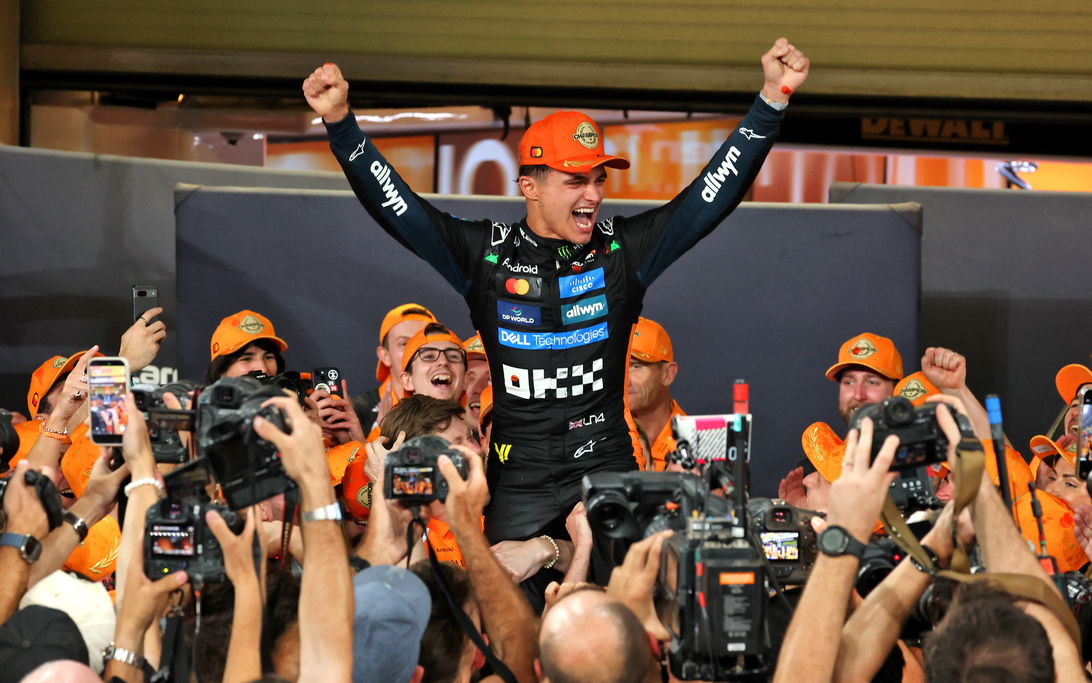
Lando Norris enters the winter as a Formula 1 world champion, but history suggests the hardest part of his journey may still lie ahead.
With the series heading for an all-encompassing technical reset in 2026, Norris now finds himself in a position that has repeatedly tested first-time champions: defending a crown when the rules – and competitive order – are rewritten from the ground up.
Formula 1’s past offers a consistent and cautionary pattern. Jacques Villeneuve’s post-title collapse in 1998 remains the most extreme example.
After sealing the 1997 championship for Williams, Villeneuve was immediately confronted by sweeping aerodynamic changes, narrower cars and the introduction of grooved tyres.
Williams, already weakened by the loss of Renault power, failed to recalibrate its aerodynamic platform.
Villeneuve went winless, managed just two podiums and slipped to fifth in the standings – a dramatic fall that underlined how quickly regulatory change can neutralise even the strongest combinations.
Viewed by others:

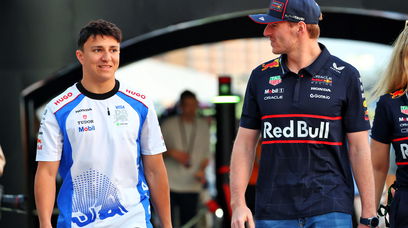
Lewis Hamilton’s experience after winning his first title in 2008 carries striking parallels to Norris’ current situation.
The 2009 overhaul fundamentally altered airflow management, reintroduced slick tyres and added KERS, forcing teams to juggle weight distribution, cooling and energy deployment.
McLaren misjudged the new aerodynamic balance, producing a car with chronic rear instability and poor overall efficiency.
Hamilton spent much of the season fighting outside the podium positions, ultimately finishing fifth despite two late-season victories once the MP4-24 had been heavily re-engineered.
The technical frustration was compounded by the mental strain of defending a title without the necessary tools.
Even champions with greater experience have been caught out. Michael Schumacher only won once for Ferrari in 2005 after regulation tweaks and resurgent Renault and McLaren teams saw Fernando Alonso beat Kimi Raikkonen to the crown.
And Sebastian Vettel’s dominance ended abruptly in 2014 when Red Bull failed to adapt to the first hybrid power units.
Regulation resets have little respect for momentum.
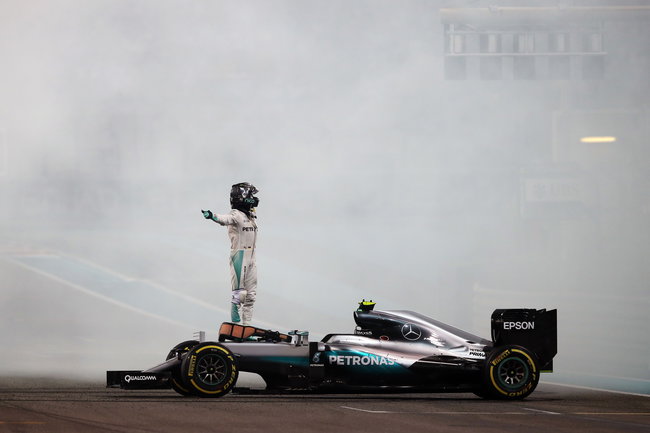
The Rosberg benchmark
Nico Rosberg’s decision to retire at the end of 2016 offers a counterpoint. Unlike Villeneuve or Hamilton, Rosberg stepped away despite expecting that Mercedes would remain competitive under the new-for-2017 rules.
That prediction proved accurate: the W08 was immediately a title-contending car, winning races from the outset. Had Rosberg stayed, he would have defended his championship in machinery capable of sustaining success.
For Norris, the scale of the 2026 changes raises the stakes considerably. The new power units will operate on a 50/50 split between internal combustion and electrical energy, with electrical output rising dramatically.
Active aerodynamics replace DRS, cars become lighter and smaller, and energy management becomes central to lap time. The interaction between chassis, aerodynamics and power unit will be more tightly coupled than ever before.
Crucially, very little carries over from 2025 beyond driver skill and organisational competence.
Norris’ newly earned champion status brings confidence and authority, but history suggests first-time champions face the steepest learning curve when the technical slate is wiped clean.
Winning the 2025 title was Norris’ breakthrough. Defending it in 2026 may prove his defining challenge.
Also interesting:
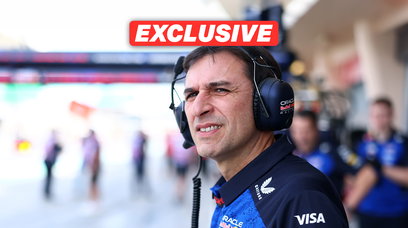
Join RacingNews365's Ian Parkes and Nick Golding as they are joined by former Alpine Executive Director Marcin Budkowski to look back on the 2025 F1 season. From Lando Norris' title glory to Max Verstappen's comeback, it's all discussed!
Rather watch the podcast? Then click here!


Most read
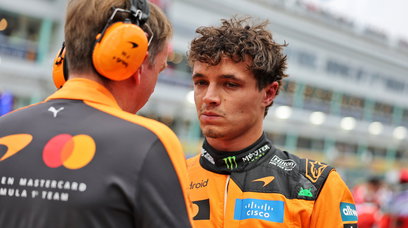

In this article
Never miss a thing from the Formula 1 season! Add the 2026 F1 schedule to your calendar at the touch of a button. Subscribe below and put the dates and times of every race directly on your PC or smartphone, so you don't miss a second from the new season.
Download the F1 calendar Download the F1 calendar
A variant with just the race and qualifying is also available.
Click here to download it..





Join the conversation!