


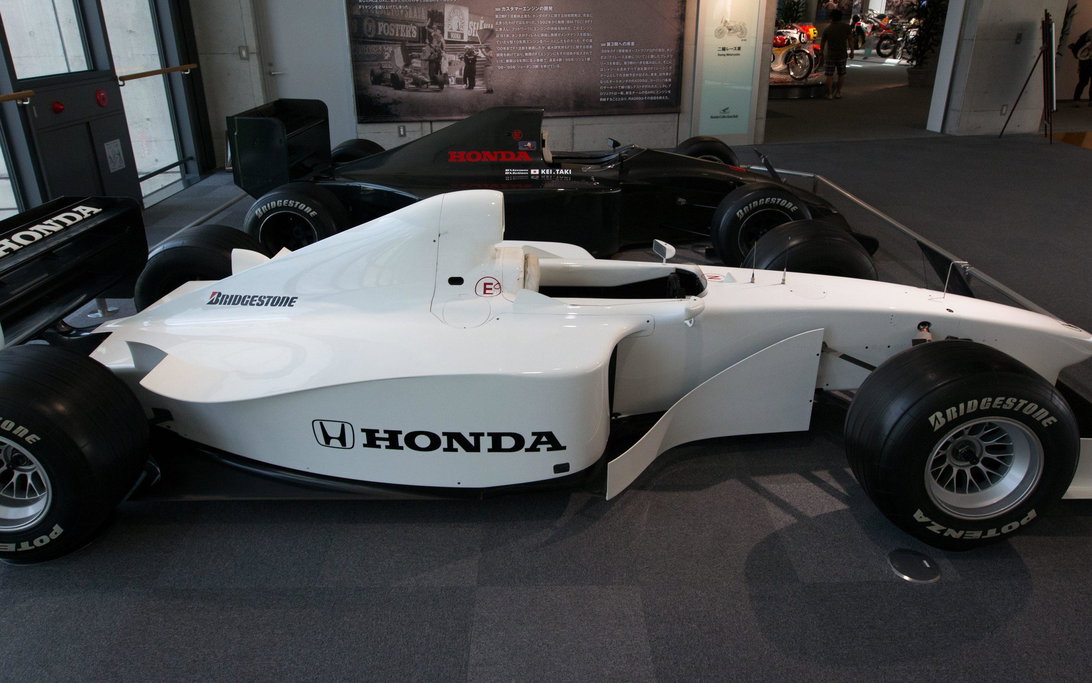
On this day in 1999, Formula 1 lost one of its greatest technical minds, Harvey Postlethwaite.
His sudden death set off a chain reaction — one that would ultimately impact the career of Jos Verstappen and bring Honda’s ambitious F1 project to an abrupt end.
This story begins at the end of the 1991 season. Honda was then in the midst of a dominant era as an engine supplier. Between 1986 and 1991, it secured six constructors’ championships with Williams and McLaren.
Ironically, that very dominance led Honda’s CEO at the time, Nobuhiko Kawamoto, to conclude that Formula 1 no longer posed a sufficient technical challenge for the company’s engineers. His view soon carried weight, as Honda withdrew from the sport after 1992.
Instead, the Japanese manufacturer shifted its focus towards building its own single-seater chassis — both to reinvigorate its engineering teams and to honour its late founder, Soichiro Honda.
The first chassis, the RC100, proved unsuccessful. Nevertheless, development continued with a new version designed around the 1993 regulations.
Testing of these chassis fuelled speculation that Honda was planning a return as a full constructor. The RC101 even passed an FIA crash test, making it eligible to compete in a grand prix.
A later iteration, the RC101B, drew greater attention, although it required modifications following the fatal accidents of Roland Ratzenberger and Ayrton Senna, as well as subsequent regulatory changes.
Serious intent
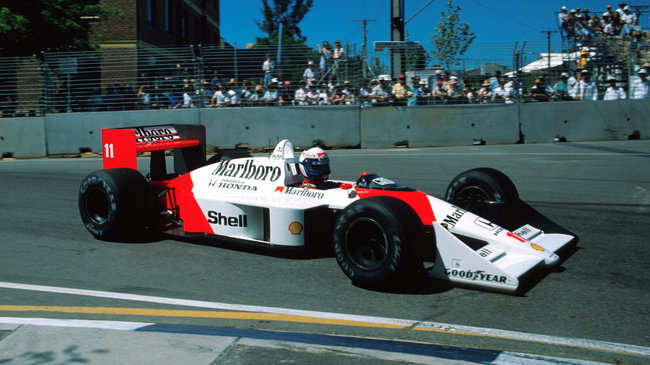
It was not until 1995 that Honda publicly expressed its intention to return to Formula 1.
Kawamoto initially targeted 1998 as a debut season, influenced in part by Bridgestone entering F1 as a tyre supplier in 1997, using the RC100 as a test chassis.
Honda also sought to draw on the experience of fellow Japanese outfit Dome, which had developed its own F1 ambitions using Mugen-Honda V10 engines.
However, the planned return was pushed back to 2000, with Honda acknowledging it was not yet ready. Rumours circulated that the company might support Dome or acquire a stake in Tyrrell Racing.
Meanwhile, Mugen-Honda began supplying engines to Jordan Grand Prix, widely seen as a preparatory step for Honda’s comeback.
By late 1998, the news was official: Honda would enter Formula 1 as a works team for at least five years.
The ambitions were bold—podium contention by 2000, and race wins within three years. Reports suggested an annual budget of $200 million, although these figures were disputed, reflecting internal divisions over the scale of the project.
Despite the uncertainty, the team began to take shape. Honda recruited heavily from Tyrrell, which was transitioning into British American Racing (BAR).
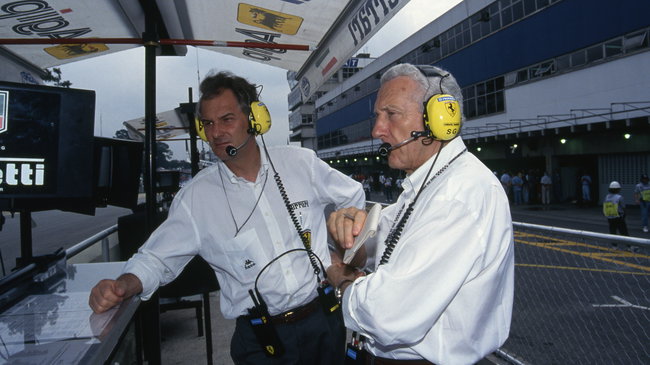
Leading the technical side was Postlethwaite, joined by several former Tyrrell staff unwilling to remain with the new BAR outfit.
Photo: Harvey Postlethwaite (left) in 1993; article continues below.
Verstappen's role
At the same time, Honda searched for drivers to test its car. Initially, the targets were ambitious, including Jacques Villeneuve and Tora Takagi. Other names, such as Alessandro Zanardi and Johnny Herbert, were also considered.
After those options fell through, Mika Salo was approached, but he opted to join BAR instead. That opened the door for Verstappen.
Having lost his seat at Stewart Grand Prix, the Dutchman signed a three-year deal with Honda, offering a pathway back to the grid in 2000 and 2001. He embraced the opportunity:
"I’m very happy with this. It gives us a way back into Formula 1—and straight into a team capable of scoring points."
The RA099 quickly showed promise. During winter testing in Jerez, Verstappen set the fastest time — over a second quicker than Villeneuve in the BAR.
Weeks later in Barcelona, he recorded the 11th-fastest time, 1.4 seconds behind Jarno Trulli. While some teams questioned the car’s legality, others were impressed by its pace and reliability.
Tragedy strikes
Behind the scenes, however, tensions persisted. Concerns about investment in the F1 programme were growing, particularly in North America.
Matters were further complicated by BAR’s dissatisfaction with its Supertec engines and its interest in switching to Mugen-Honda power.
In response, Postlethwaite and other senior figures proposed buying a 60% stake in Honda’s racing division to establish an independent team.
They would continue using Honda engines while allowing the manufacturer to repurchase the team at cost at a later stage.
Then came the turning point.
On 14 April, during testing in Barcelona, Postlethwaite suffered chest pains. He returned to his hotel but was later admitted to hospital, where he died overnight from a heart attack.
Honda immediately cancelled its ongoing test programme. It marked the beginning of the end.
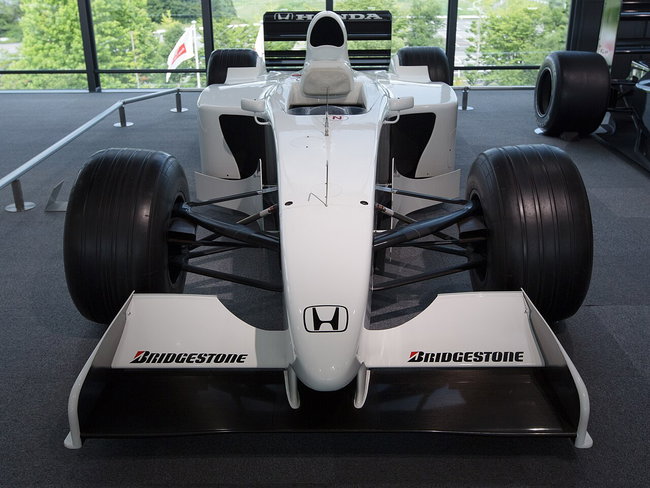
The project collapses
Postlethwaite’s death left a huge void. Honda Racing Developments attempted to continue, scheduling further testing and even signing Salo as a test driver from June.
Meanwhile, Honda’s leadership entered talks with Bernie Ecclestone and Max Mosley to offload the project.
With a reserved entry for the 2000 season, withdrawal would result in heavy FIA fines and reputational damage. Honda hoped Ecclestone might acquire and resell the team.
Testing continued regardless. On 19 May in Barcelona, Verstappen set the sixth-fastest time, 1.5 seconds behind Mika Häkkinen in a McLaren.
Then, on the third day, the project was abruptly terminated. A Honda director arrived at the circuit, instructed the team to call Verstappen in, and announced that the programme was being shut down with immediate effect.
Several potential buyers emerged, including John Macdonald and Flavio Briatore, but the RA099 would never race in a Grand Prix.
Honda’s withdrawal also had wider consequences. It effectively blocked a return attempt by Zakspeed, which had hoped to rejoin the grid after a decade away. As a result, only 11 teams —22 drivers — lined up in the 2000 season.
Verstappen, however, landed on his feet. Following the collapse of the Honda project, he joined Arrows, returning to a full-time race seat in 2000. He remained in Formula 1 until 2003, ending his career with Minardi.
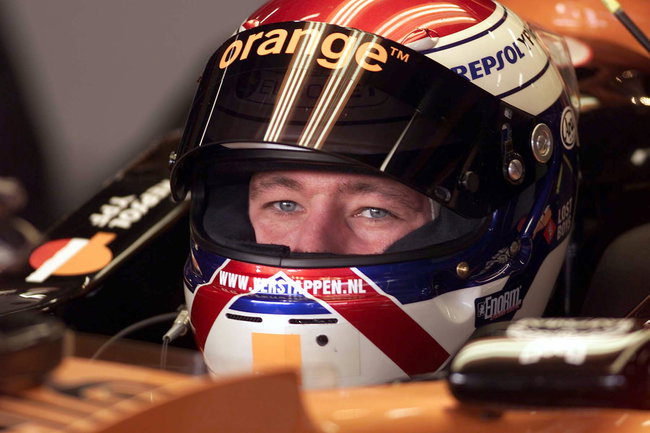
What might have been?
The story of the RA099 remains one of Formula 1’s great "what ifs".
What if Postlethwaite had not suffered that fatal heart attack? Would the project have continued? And if so, how successful might it have been, given the budget and technical expertise behind it?
What did Verstappen miss out on? Could his greatest successes have come with Honda from 2000 onwards? Was the car capable of podiums—or even victories?
We will never know.
Honda eventually returned to Formula 1 in 2006, taking over BAR after years as an engine supplier. However, after a brief decline, the company withdrew again in 2008, selling the team to Ross Brawn for the symbolic sum of £1.
The rest, as they say, is history.
Also interesting:
Join RacingNews365's Nick Golding and Samuel Coop as they dissect the major story of Gianpiero Lambiase leaving Red Bull to join McLaren. The impact of Lambiase leaving is discussed and what it means for Max Verstappen, plus the FIA's April meetings are looked into.
Rather watch the podcast? Then click here!


Most read
In this article
Never miss a thing from the Formula 1 season! Add the 2026 F1 schedule to your calendar at the touch of a button. Subscribe below and put the dates and times of every race directly on your PC or smartphone, so you don't miss a second from the new season.
Download the F1 calendar Download the F1 calendar
A variant with just the race and qualifying is also available.
Click here to download it..


Join the conversation!