


The opening week of testing in Bahrain have laid bare just how profoundly the electrical charging capacity of current power units is reshaping Formula 1, extending its influence far beyond raw performance into the very essence of how drivers must approach their craft.
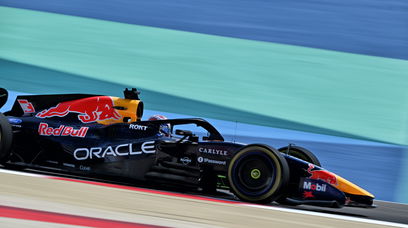
The most striking development centres on strategic downshifting techniques, with drivers like Max Verstappen demonstrating particular mastery in extracting additional charging potential at circuit points where such gear changes would have been unthinkable with previous power unit generations.
Red Bull has emerged as the prime exponent of this approach, developing its techniques closely around the characteristics of their Red Bull Powertrains unit.
Rival teams suggest this energy recovery advantage translates to nearly a full second gained on straights, with maximum electric deployment available for considerably longer periods than competitors can achieve.
Yet Verstappen himself has voiced concerns about this direction, likening the energy management requirements to economy runs that push F1 uncomfortably close to Formula E territory.
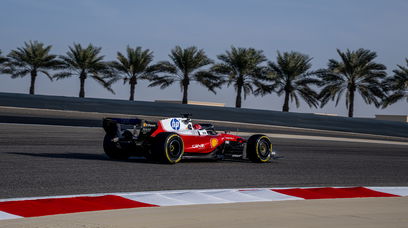
Lewis Hamilton has described the Ferrari system explanations as remarkably complex, fundamentally at odds with traditional competitive principles of extracting maximum on-track performance.
Viewed by others:
Driving philosophy under scrutiny
The strategic downshifting technique remains far from universal adoption. Currently, only Red Bull and Audi employ it extensively, whilst other manufacturers grapple with significant drawbacks including accelerated gearbox wear and potential tyre degradation from dynamic imbalances during rapid sequential downshifts.
Ferrari has pursued an alternative path through precise engine braking calibration to enhance energy recovery, delivering comparable gains with reduced side effects compared to repeated downshifting.
The approach highlights how internal combustion engine design fundamentals, particularly compression ratios, influence these strategies.
During aggressive downshifts, sudden RPM increases frequently trigger knocking as the air-fuel mixture partially detonates despite minimal injector opening.
Engines with higher compression ratios face more acute knocking thresholds, creating additional stresses on cylinder heads, valves and piston crowns whilst reducing reliability margins. This technical reality explains Mercedes' reluctance to adopt aggressive downshift-based energy recovery methods.
The concerns expressed by drivers reflect deeper questions about F1's competitive identity. The suggestion that energy management should not become integral to driving these machines represents a philosophical tension between pure driving skill and technological sophistication.
However, the current landscape likely represents an early developmental phase rather than a settled technical direction. Both power unit concepts and energy recovery approaches remain in their evolutionary infancy, with significant development potential ahead.
The integration of these systems continues to challenge traditional driving techniques, forcing adaptation to methodologies that prioritise energy harvest over conventional racing instincts. Teams are discovering that success increasingly depends on mastering the intricate balance between performance extraction and electrical energy management.
The true impact of these developments will only crystallise once competitive racing commences, revealing how profoundly power unit charging capacity has altered the fundamental skills required to excel in modern F1.
Also interesting:
In this video, we explore a fascinating Mercedes engine theory that is engulfing the F1 paddock. We break down how it works, why it matters, and why this advantage — if real — may be brilliant, legal… but only temporary.
Most read
In this article
Never miss a thing from the Formula 1 season! Add the 2026 F1 schedule to your calendar at the touch of a button. Subscribe below and put the dates and times of every race directly on your PC or smartphone, so you don't miss a second from the new season.
Download the F1 calendar Download the F1 calendar
A variant with just the race and qualifying is also available.
Click here to download it..






Join the conversation!