


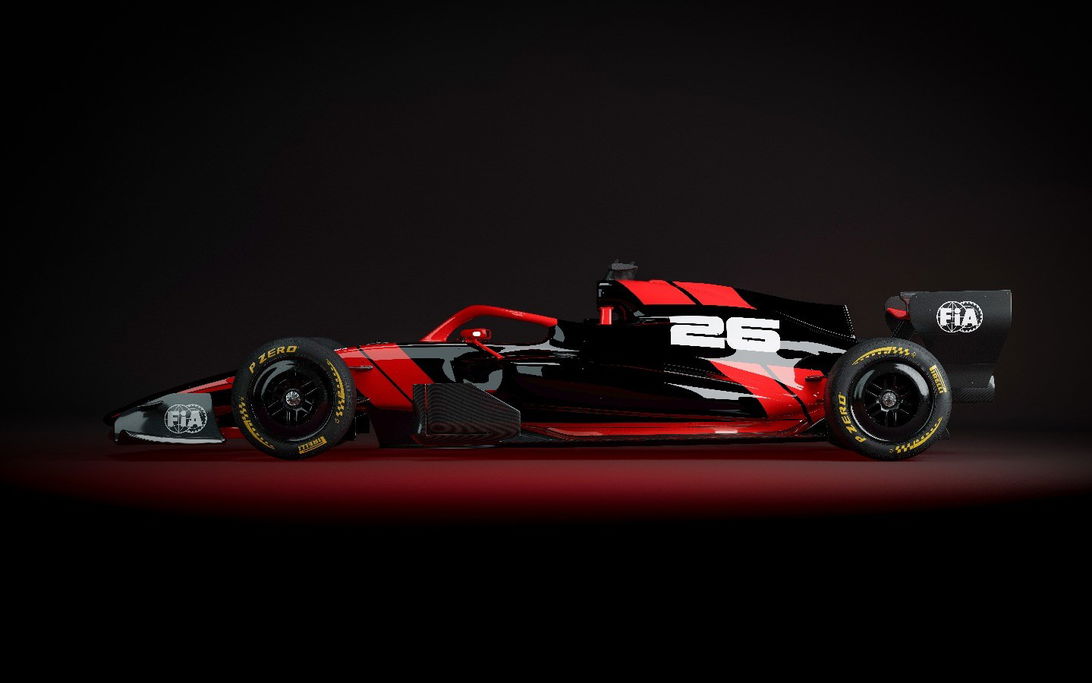
The 2026 F1 cars are just over one month away from hitting the track for the first time at the first pre-season test from Barcelona.
The challengers are being built under a fresh set of technical regulations with some key changes being the inclusion of active aerodynamics and a revamped power unit.
While the sport has undergone a handful of aerodynamic changes across the last decade, the changes to the power units are the first since the turbo hybrid set-up was introduced in 2014.
F1 is doing away with the MGU-H component, while the MGU-K output has been increased.
The changes essentially bring the units to a 50/50 split between combustion engine power and electrical energy.
As part of the changes, the drivers will have new tools available to them behind the wheel to use across the course of the weekend.
In an effort to simplify the new modes, F1 has released the terminology it will use for the 2026 season across its platforms and commentary.
The labels and their functions are as follows;
Overtake Mode
For drivers within one second of a car in front to deploy extra power to instigate an overtake. It replaces DRS and aids on track passing, being a strategic tool to be used all in one go or spread over a lap.
Boost Mode
This is the driver-operated energy deployment tool from the Energy Recovery System (ERS), to be used offensively or defensively depending on track position. It gives the driver maximum power from the engine and battery at the push of a button, no matter where they are on track.
Active Aero
Dynamically adjustable angles of the front and rear wing elements in specific high-speed sections, designed for Corner and Straight modes. It enables strategic adaptability and maximises full usage of the car’s power through greater on track grip.
Recharge
Drivers can recharge their battery with recovered energy from braking, on throttle lift at the end of straights and even corners where only part power is applied.
F1 outlined that it was keen to “avoid gimmicks and jargon, knowing that simple more objective and meaningful language is preferred by fans old and new.”
The terms were developed in collaboration with the FIA, the teams, engineers.
Also interesting:
Join RacingNews365's Ian Parkes and Nick Golding as they are joined by former Alpine Executive Director Marcin Budkowski to look back on the 2025 F1 season. From Lando Norris' title glory to Max Verstappen's comeback, it's all discussed!
Rather watch the podcast? Then click here!

Most read
In this article
Never miss a thing from the Formula 1 season! Add the 2026 F1 schedule to your calendar at the touch of a button. Subscribe below and put the dates and times of every race directly on your PC or smartphone, so you don't miss a second from the new season.
Download the F1 calendar Download the F1 calendar
A variant with just the race and qualifying is also available.
Click here to download it..




Join the conversation!