


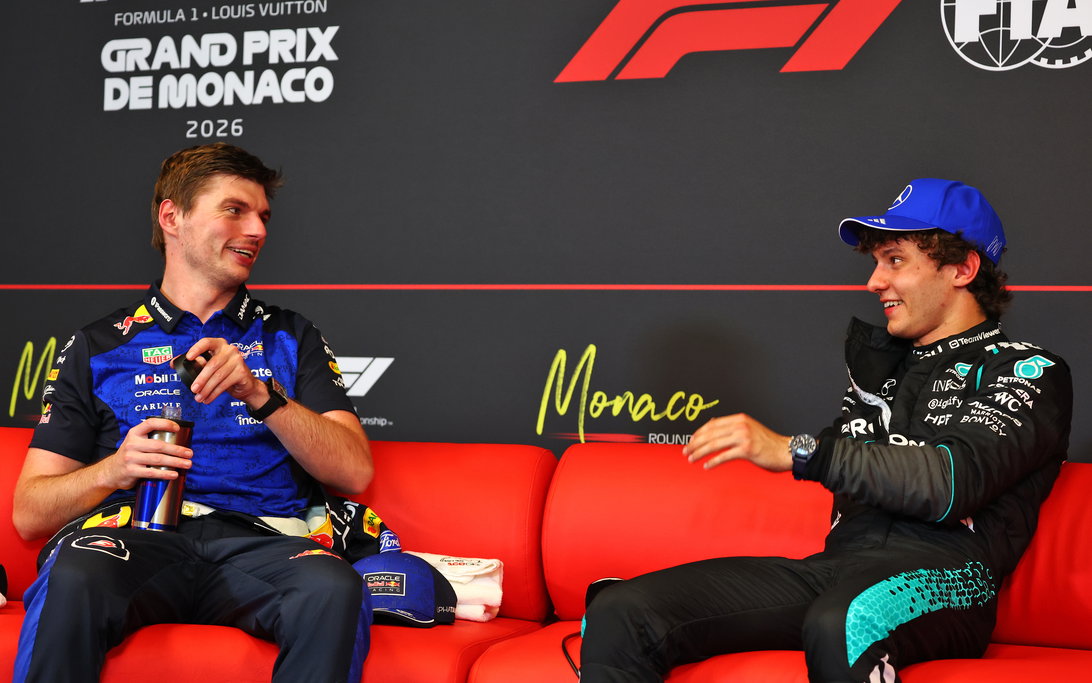
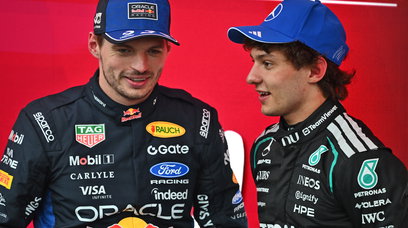
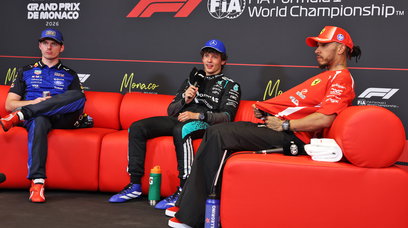
Kimi Antonelli on pole in Monaco, Max Verstappen second, Lewis Hamilton third. On paper, it reads like a remarkable result, and in many ways it is.
But to understand how it came about, the evolution of track grip across the weekend is an essential piece of the puzzle, providing at least a partial technical explanation for the performance leaps delivered by both the W17 and the RB22.
Antonelli's Mercedes had looked particularly unsettled during Friday's two free practice sessions, lacking the composure needed on the tight and unforgiving streets of the Principality.
Working through the data overnight, the Mercedes engineers identified a revised set-up direction for FP3, producing a car that was meaningfully more stable and effective through changes of direction.
That was of particular benefit to the 19-year-old Italian, who had been working closely with his race engineer throughout Friday to address the instability the W17 had been displaying.
The improving track conditions offered an additional tailwind, but it was the data analysis combined with Antonelli's own specific requests around dynamic balance and front-end precision on corner entry that ultimately transformed the car's behaviour.
Viewed by others:
Verstappen's impressive performance
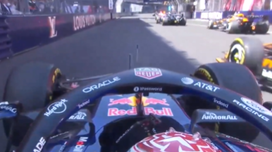
Verstappen had already stood out on Friday as the only driver to get anywhere near the dominant Ferraris during practice, yet he remained around nine tenths of a second off Antonelli's FP3 benchmark heading into qualifying.
The Red Bull engineers targeted the second sector specifically, having identified it as the area where the RB22 was haemorrhaging the most time relative to the front-runners.
The set-up changes they made were radical by any measure, and the improving track conditions arguably rewarded their gamble even more so than in Antonelli's case. The result was a car Verstappen could trust, and on these streets, driver confidence is everything.
In both instances, optimising the cars' behaviour gave the drivers the confidence to extract their maximum potential from a circuit that offers absolutely no margin for error.
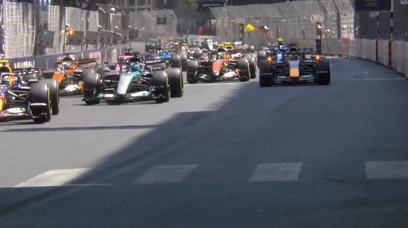
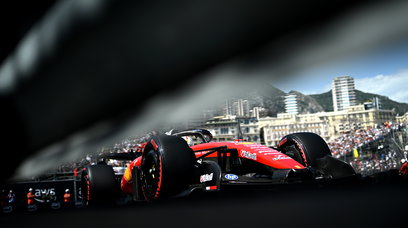
Attention now turns to the start, which, as ever at Monaco, is likely to be the only realistic opportunity for any reshuffling of the order. Hamilton and Charles Leclerc, occupying third and fourth in the SF-26s, represent the most immediate threat to the front row.
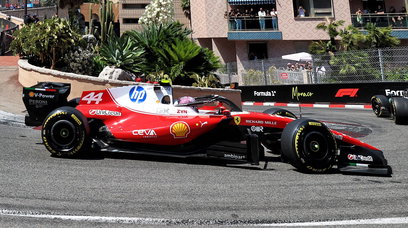
On that subject, Ferrari's qualifying performance warrants scrutiny. Both cars appeared to carry a less predictable balance than had been evident across Friday, with little in FP3 to suggest such difficulties were coming.
The end result fell well short of what Maranello would have considered acceptable, and it is a question the team will need to answer ahead of the race.
Get the latest F1 news from RacingNews365 directly in your Google feed! Click on the link below and you’ll see your favourite F1 website appearing even more often. That way, you’ll never miss any news, analyses, interviews, or exclusives.
Follow RacingNews365 on GoogleMost read
In this article
Never miss a thing from the Formula 1 season! Add the 2026 F1 schedule to your calendar at the touch of a button. Subscribe below and put the dates and times of every race directly on your PC or smartphone, so you don't miss a second from the new season.
Download the F1 calendar Download the F1 calendar
A variant with just the race and qualifying is also available.
Click here to download it..






Join the conversation!