


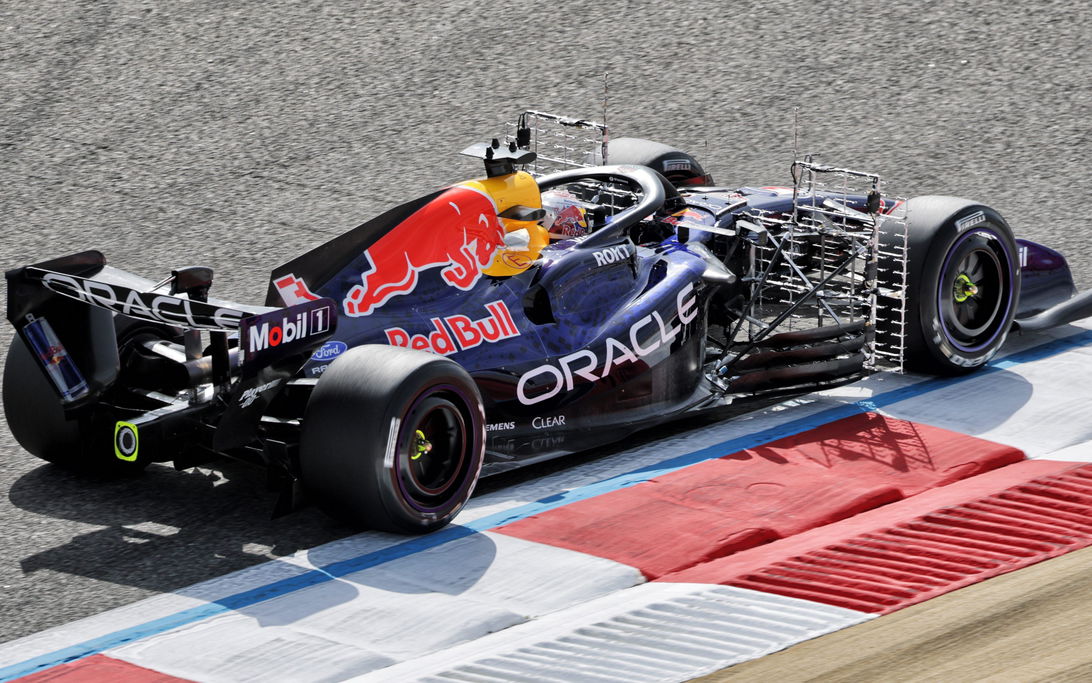
The F1 cars which took to the track for the first day of testing in Bahrain were further along in their evolution than the basic configurations from the Barcelona shakedown.
Little by little, every team is gradually moving away from its launch specification to the more aggressive designs which will be at the first race in Australia, although it is still too early to talk about pure, underlying performance.
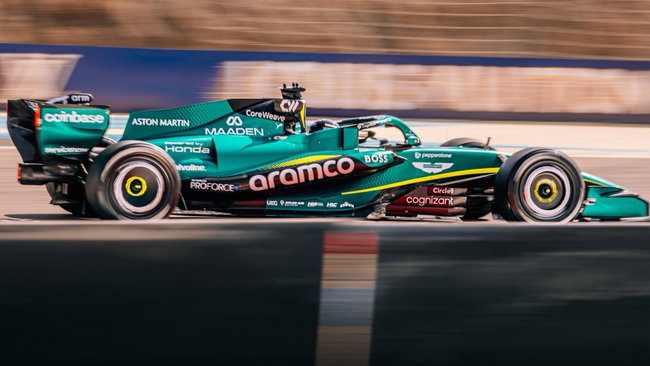
Among the cars which attracted the most interest was Aston Martin's aerodynamics at the rear and on the engine cover, characterised by the reduction in volume. The large cooling vents at the base of the engine cover should not be misleading, as they hide an extremely small section of bodywork that surrounds the mechanics of the car.
It is interesting to note that even at this early stage, the analysis of the various aerodynamic solutions adopted across the field, with the primary aim of heat dissipation, also provides precise indications of the directions taken in managing the airflow around the car.
The article continues below.
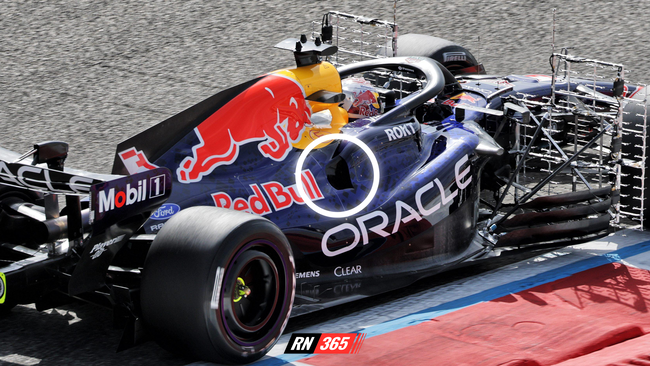
If we consider Red Bull's RB22, it was interesting to note not only the presence of a cooling vent in the rear, at the base of the halo, but above all its re-profiling, which integrates it better into the rear bodywork of the car.
If this is compared to the Aston Martin solution, it is clear that not only is the cross-section of the two vents different,, above there is a clear difference in the internal ducting of the sidepods which feed them.
The purpose of these heat dissipation intakes is not only to ensure the precise management of the PU's operating temperatures, but also to exploit the hot outflow to increase the Coanda effect, used by Adrian Newey in the Sebastian Vettel heyday, in the airflow against the bodywork towards the rear axle.
The idea of having the cooling vents far away from the rear axle serves not only to reduce the potential turbulent air which could disturb the rear wing, but to effectively guide the airflow through the difference in speed and density of the hot air emerging compared to the ambient air temperature.
In practice, low pressure is generated downstream of the cooling vents, which draws the streams of air at ambient temperature towards the rear, keeping them close to the body of the car.
This not only generated aerodynamic load with the car, but also increases air extraction from the bottom by speeding up the central portion of the flow as it skims the bodywork.
Regardless of Max Verstappen's strong lap times, the Red Bull appears to be a car built around a PU, which is not only largely surprising in its reliability (despite a gremlin for Arvid Lindblad of Racing Bulls, which kept him off track in the entire afternoon session), but also for its performance in terms of electrical charge deployment.
This allows the engineers, on paper at least, to start thinking about how to optimise the aerodynamic and dynamic performance of the car, although true performance development elements will only be added during the second test next week.
Also interesting:
In this video, we explore a fascinating Mercedes engine theory that is engulfing the F1 paddock. We break down how it works, why it matters, and why this advantage — if real — may be brilliant, legal… but only temporary.
Most read




In this article
Never miss a thing from the Formula 1 season! Add the 2026 F1 schedule to your calendar at the touch of a button. Subscribe below and put the dates and times of every race directly on your PC or smartphone, so you don't miss a second from the new season.
Download the F1 calendar Download the F1 calendar
A variant with just the race and qualifying is also available.
Click here to download it..





Join the conversation!