


It could be said that the Monaco Grand Prix "gives you wings" — to borrow a famous energy drink slogan.
In reality, however, this year's trip to the Principality has offered a fascinating glimpse into Formula 1's past.
The ban on the use of active aerodynamics for the weekend in Monte Carlo has forced teams to rethink the configuration of their rear wings.
With no requirement to open or rotate the rear wing flap in straight-line mode, the central actuator normally responsible for operating the system has become effectively redundant.
From an aerodynamic perspective, the actuator fairing would otherwise occupy valuable volume while generating drag without contributing any meaningful downforce.
Faced with this unusual situation, some teams have seemingly seized the opportunity to rethink how that volume could be exploited.
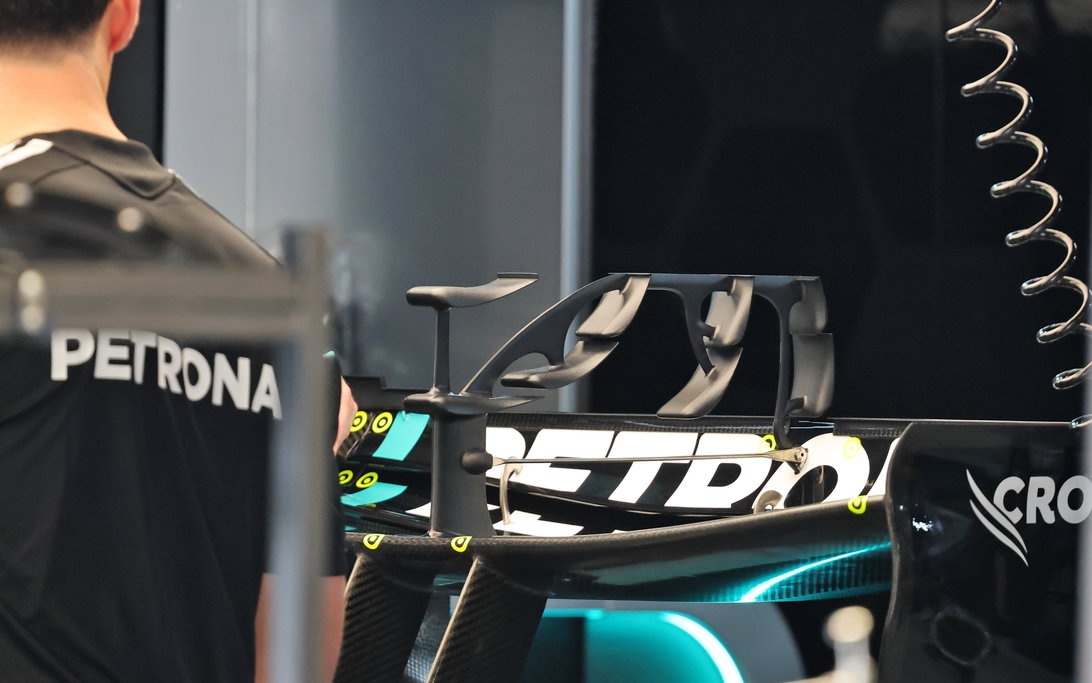
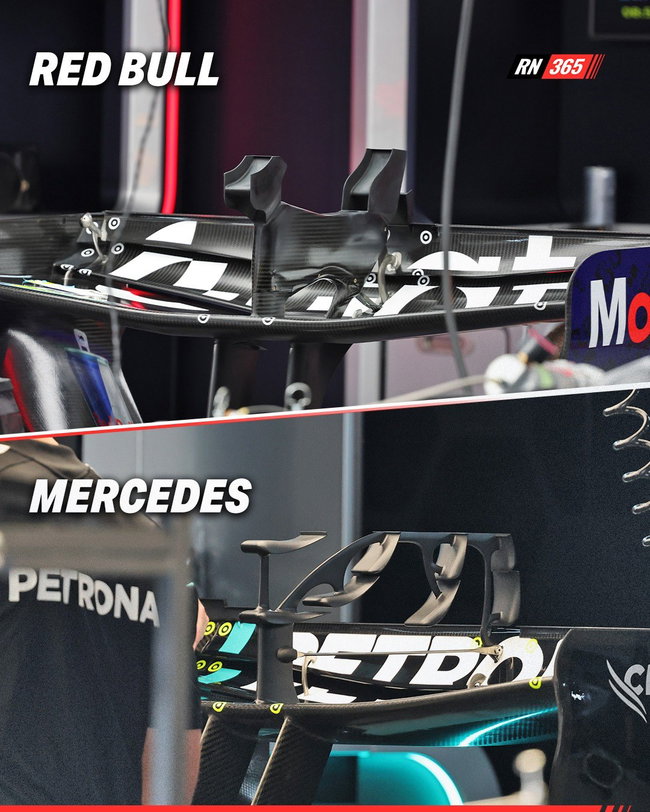
The most interesting solutions have come from Mercedes and Red Bull, both of which have transformed the space traditionally occupied by the actuator into a structure designed to generate additional rear downforce.
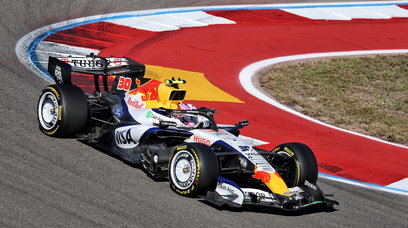
In Red Bull's case, the external actuator fairing remained largely unchanged. However, engineers have added a series of small wing elements supported by miniature struts extending from the fairing, creating what resembled the branches of a tree.
The concept has allowed the team to utilise the existing actuator housing without significantly altering its shape, perhaps reflecting the limited time available to fully study the complex vortex structures that pass through this area of the car.
 Monaco GP
Mercedes' more ambitious approach
Mercedes, on the other hand, has adopted a far more ambitious approach.
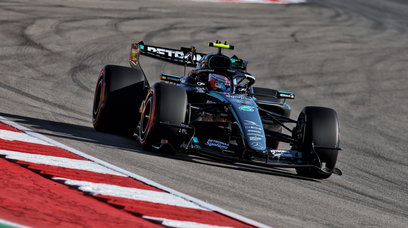
The Brackley-based team has effectively dispensed with the traditional actuator fairing altogether, replacing it with an extensive tree-like support structure carrying a significantly greater number of micro-flaps than the solution seen on the Red Bull.
The Mercedes design demonstrates not only a deeper understanding of the airflow management in this region, but also careful consideration of the aerodynamic volume previously occupied by the actuator assembly.
The result is a highly integrated solution that maximises the available regulatory space while remaining within the dimensional constraints imposed by the original component.
What makes both concepts particularly interesting is the way the teams have turned a temporarily redundant element into a performance opportunity. With the straight-line mode unavailable at Monaco, the actuator became dead weight from an aerodynamic standpoint.
Rather than simply carrying the unused component, engineers have found a way to extract additional downforce from the same volume.
In doing so, Formula 1 has briefly returned to an era reminiscent of the 1990s and early 2000s, when Monaco regularly inspired highly specialised aerodynamic solutions developed solely to maximise downforce around the streets of the Principality.
Paradoxically, it is the increasingly apparent mismatch between Monaco's historic layout and the performance levels of modern Formula 1 cars that has opened up this avenue of development; the concepts are unlikely to have relevance beyond this unique circuit, but they underline a fundamental aspect of F1 engineering.
Even the most restrictive circumstances can create opportunities for innovation. That has always been part of Formula 1's DNA.
Check out a comparison between the two approaches below!
Also interesting:
Join RacingNews365's Ian Parkes, Sam Coop and Nick Golding as they look ahead to this weekend's Monaco Grand Prix! Lewis Hamilton having a huge chance of victory is a key talking point, as is the fact Red Bull are likely to face a very difficult event.
Rather watch the podcast? Then click here!


Most read

In this article
Never miss a thing from the Formula 1 season! Add the 2026 F1 schedule to your calendar at the touch of a button. Subscribe below and put the dates and times of every race directly on your PC or smartphone, so you don't miss a second from the new season.
Download the F1 calendar Download the F1 calendar
A variant with just the race and qualifying is also available.
Click here to download it..





Join the conversation!