


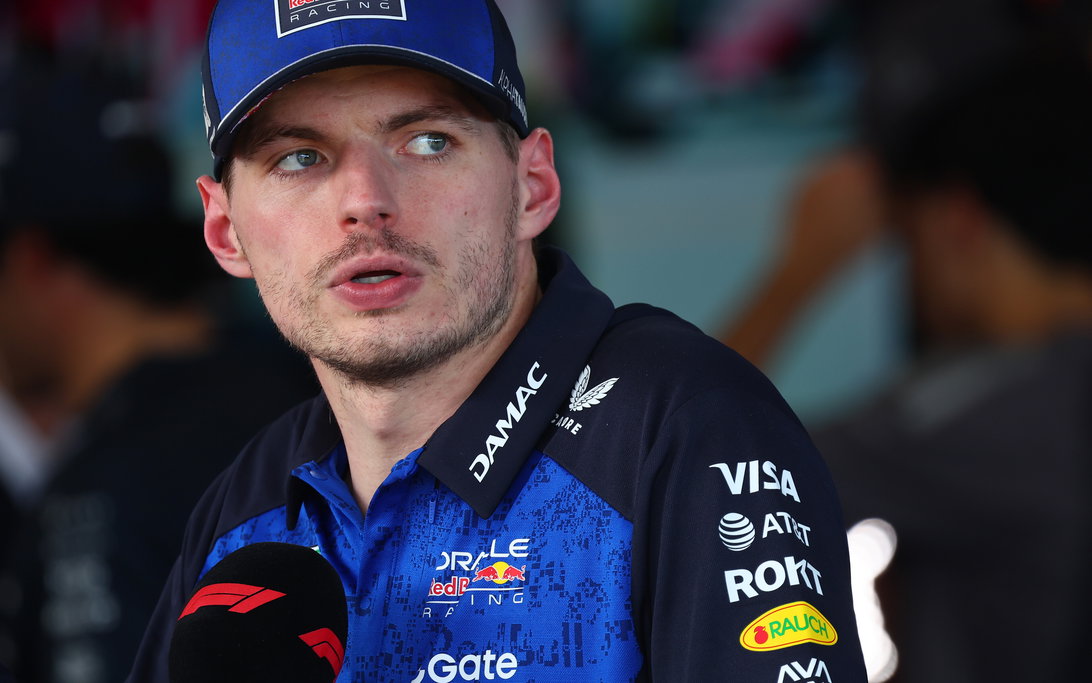
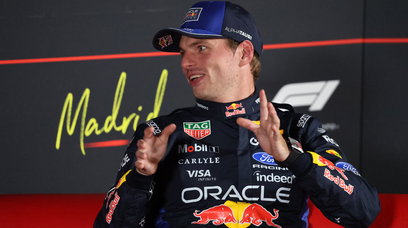
Max Verstappen has received major backing from Formula E champion Sebastien Buemi over his fierce criticism of F1's new energy management regulations.
During pre-season testing, Verstappen branded F1's new rules as "anti-racing" and as "Formula E on steroids" as he voiced his displeasure at the new 50-50 split in terms of power output from the new engines.
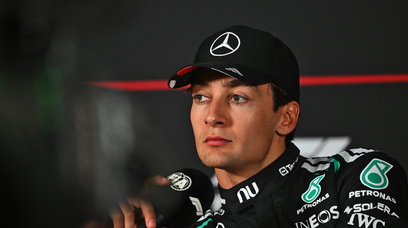
In the season-opening Australian GP, a number of fellow drivers, including world champion Lando Norris, added to the criticism, although race-winner George Russell felt that if the drivers who had been complaining were winning, there would be no such criticism of the rules.
Talks are planned between F1 bosses and the FIA to see if any remedy can be applied to the rules, in which it is impossible to complete a full lap at full racing speed in qualifying, with drivers 'super clipping' towards the end of the long back straight in Melbourne into the fast Turn 9 and 10 chicane.
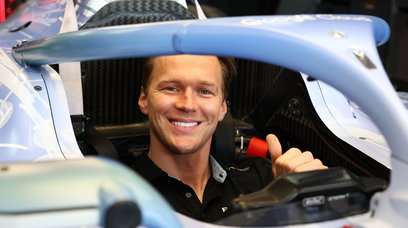
Formula E champion Buemi, who is also a Red Bull simulator driver, agreed with the four-time F1 champion's assessment of the regulations.
"Yeah, I do," Buemi exclusively told RacingNews365 when asked if he understood the complaints and wishes of Verstappen to keep F1 and FE separate in their philosophy.
"I think the weird thing is to go into a qualifying lap and not even being able to just go flat out from start to finish, and in Formula E qualifying, you go flat out.
"You don't care about energy, but in F1, you also have to care about energy in qualifying.
"It is one thing to care in the race, and you basically add that variable which needs to be managed by the team or by the driver, but to have to manage that variable in qualifying, I fully understand his comment of it not being as pure as Formula 1 always was, which is to go as fast as you can.
"Now you go fast, you need to save [energy], which is just a contradiction in itself, but I fully understand."
The article continues below.
The challenges of the new cars also apply to the chassis and the driving style required to maximise the new, smaller and lighter machines.
Buemi, who raced in F1 between 2009 and 2011, explained how the new package has increased the driver's workload in the cockpit.
"I mean, you have to, I guess you've seen with the entry speed in a few places, it is easy to hear the engine flat out and the speed reducing very strongly," he said.
"It is not easy for the drivers, and you have to activate straight line mode on many more occasions than the DRS, and you have to manage the battery way more.
"You have to manage the entry speed, because sometimes you have more recovery, sometimes less, and there could be a 40kph entry speed difference, so you have to constantly adapt.
"It is not easy, and in the corners, there is less downforce, the tyres are smaller, but the car is also smaller and lighter, so it makes it more agile.
"But there are so many things which are different, and it is difficult to explain everything, but it is a challenge for the guys to manage, but for sure, the energy management is way more important than it has ever been in Formula 1, whether you like it or not, it is a factor."
Also interesting:
Join RacingNews365's Ian Parkes, Sam Coop and Nick Golding, as they look back on the Australian GP and look ahead to China! The trio discuss the first taste of F1's new regulations, Max Verstappen's frustration but also Lewis Hamilton's striking positivity.
Rather watch this episode? Then click here!


Get the latest F1 news from RacingNews365 directly in your Google feed! Click on the link below and you’ll see your favourite F1 website appearing even more often. That way, you’ll never miss any news, analyses, interviews, or exclusives.
Follow RacingNews365 on GoogleMost read
In this article
Never miss a thing from the Formula 1 season! Add the 2026 F1 schedule to your calendar at the touch of a button. Subscribe below and put the dates and times of every race directly on your PC or smartphone, so you don't miss a second from the new season.
Download the F1 calendar Download the F1 calendar
A variant with just the race and qualifying is also available.
Click here to download it..






Join the conversation!