


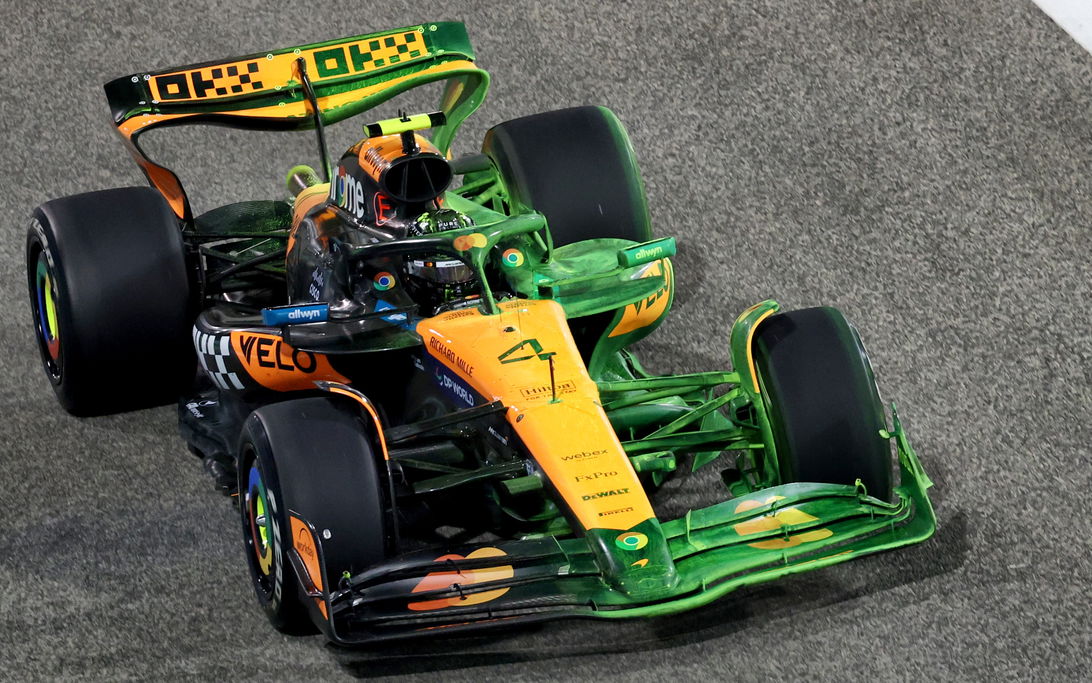
2026 F1 pre-season testing is more important than ever before, given the scale of changes made to cars over the winter.
For the new campaign, the single-biggest overhaul in regulations has taken place, with changes to both the engines and chassis being introduced.
The new power units now feature beefed-up electrical systems, with 350kw of power up from the 120kw in 2025, with power now set to come via a 50-50 split between the internal combustion engine and batteries.
On the chassis, active aerodynamics have been introduced.
Three pre-season tests are planned, with one in Barcelona scheduled between January 26th - 30th, before heading to Bahrain for two three-day tests in February.
The Barcelona test is a private, behind-closed-doors shakedown, with teams permitted to run for three of the five days, for nine days total before the season-opening Australian GP on March 8th.
View the schedule for the first week of testing below! The article continues below.
F1 Barcelona pre-season testing schedule
| Day | Time - CET local |
|---|---|
| Monday, January 26 | 09:00 - 17:00 (can be extended to 18:00) |
| Tuesday, January 27 | 09:00 - 17:00 (can be extended to 18:00) |
| Wednesday, January 28 | 09:00 - 17:00 (can be extended to 18:00) |
| Thursday, January 29 | 09:00 - 17:00 (can be extended to 18:00) |
| Friday, January 30 | 09:00 - 17:00 (can be extended to 18:00) |
How Barcelona testing works
Essentially a private shakedown, teams will be able to run for three of the five days in Barcelona, and it is up to them to decide which three.
For example, Ferrari will be running on Tuesday for the first time and Thursday as well, meaning it still has to decide between Wednesday and Friday.
During the hours when the track is open, teams can complete any number of tests and do whatever they want, although the first days in Barcelona are likely to focus on systems and engine checks before any serious aerodynamic work is completed later in the week and in Bahrain.
Most teams who have launched their cars so far have completed shakedowns, but for the drives, Barcelona will be the first time to get up to speed with the new demands of the power units, a change Lewis Hamilton has branded the biggest in his career.
What are the aero-rakes?
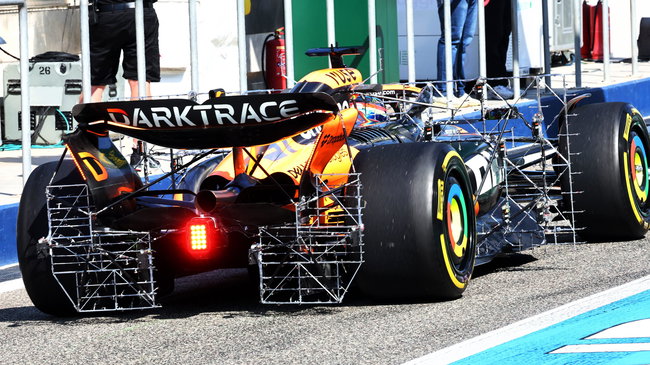
Pre-season testing is the time to spy cars looking a bit unusual with the aero-rakes bolted to the side as cars pound around.
Essentially, they are aero-sensors, and are tasked with collecting data about airflow to see if the team's wind-tunnel and CFD simulations are translating into the real world.
What is the function of flow viz paint?
In addition, we often see teams using some kind of paint on the car. That, too, is intended to learn more about the airflow, and ensure the air passing over the car, is in fact, doing what is expected of it.
What is sandbagging?
Teams will always try to keep their true pace under wraps and a secret for as long as possible.
Disguising your true pace is known as 'sandbagging.'
Essentially, it is running the car full of fuel and in lower engine power settings not to give an indication of the true pace, although through GPS tracking, rivals can usually work out who is doing what.
Towards the end of testing, if a team has had a poor test, it will often complete a 'glory run', which is taking all of the fuel out and turning the engine up to steal the headlines with 'Team X fastest in F1 pre-season testing.'
Also interesting:
The 2026 F1 Cars Revealed: Everything You Need to Know!
Discover how the 2026 F1 regulations will revolutionise the sport, with a shift to movable wings instead of traditional DRS, to the increased electrical power in the hybrid systems, and the introduction of 100% sustainable fuel.
Most read






In this article
Never miss a thing from the Formula 1 season! Add the 2026 F1 schedule to your calendar at the touch of a button. Subscribe below and put the dates and times of every race directly on your PC or smartphone, so you don't miss a second from the new season.
Download the F1 calendar Download the F1 calendar
A variant with just the race and qualifying is also available.
Click here to download it..





Join the conversation!