


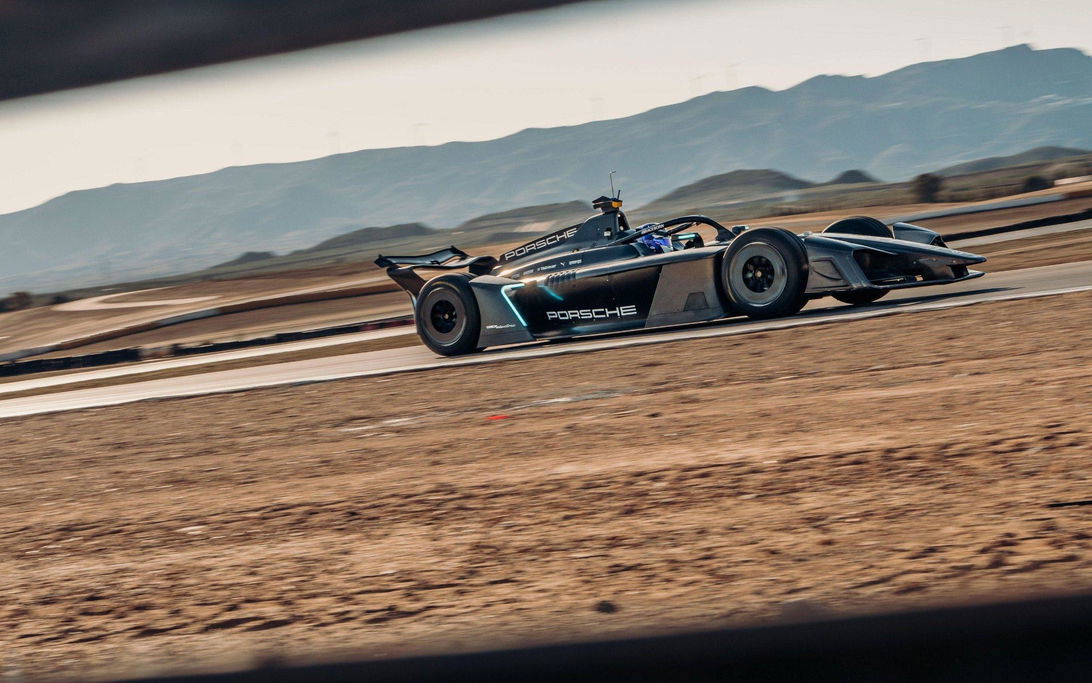
Formula E champion Lucas Di Grassi has publicly responded to Max Verstappen's comments about the new F1 cars, which have been interpreted as a slight towards the all-electric series.
Disatisfied with the complexity of the new regulations, particularly given the extreme levels of energy management, the Red Bull driver has claimed the new cars were like "Formula E on steroids" during the first pre-season test at the Bahrain International Circuit.
The four-time F1 drivers' champion was forthright in his comments and even went as far as saying the new rulebook could hasten his retirement.
Despite being contracted to the Milton Keynes-based team until the end of 2028 and saying that his next F1 contract will be his last, the Dutchman has openly spoken about — and threatened — his eventual departure numerous times in the past.
The 28-year-old will no doubt be a great loss for F1 when that time comes, but branding the 2026 regulations "anti-racing" suggests that time might come sooner than initially anticipated.
With the comparison to Formula E — on account of the 50/50 split of the new power units between electrical and traditional combustion engine power, something that reduces the ability to drive flat out as often as under the previous era — causing a stir, Di Grassi was the first of the championship's current crop to fire back remarks of his own.
"Formula E cars Gen 4.5 & 5 will be way faster than current F1 cars," the former F1 driver posted on X, formerly Twitter, in a repost of an article by The Race covering Verstappen's quotes.
"You can come and drive the fastest cars on the planet in a few years."
Whether Verstappen will take the Brazilian up on that offer remains to be seen, but the ferocity of the 71-time grand prix winner's comments underlines how polarising the new F1 cars are already proving to be.
Also interesting:
In this video, we explore a fascinating Mercedes engine theory that is engulfing the F1 paddock. We break down how it works, why it matters, and why this advantage — if real — may be brilliant, legal… but only temporary.
Most read
In this article
Never miss a thing from the Formula 1 season! Add the 2026 F1 schedule to your calendar at the touch of a button. Subscribe below and put the dates and times of every race directly on your PC or smartphone, so you don't miss a second from the new season.
Download the F1 calendar Download the F1 calendar
A variant with just the race and qualifying is also available.
Click here to download it..





Join the conversation!