


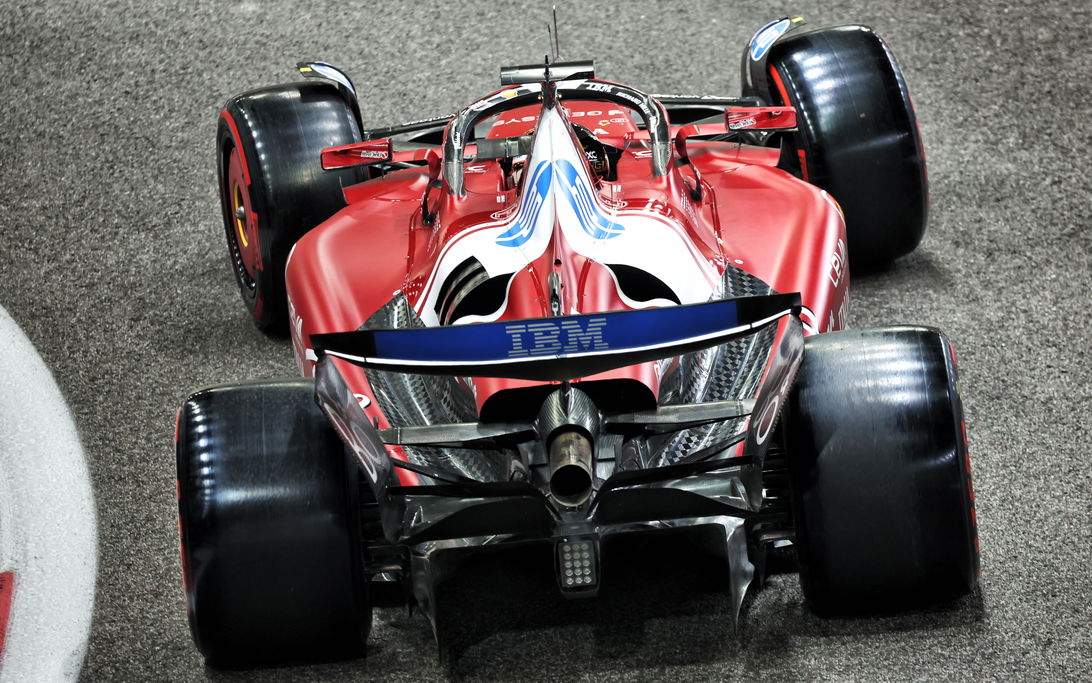
The F1 regulations overhaul for the 2026 season is not limited to aerodynamics alone. The power unit will be just as central to the transformation, and it is fair to say that the new engines will be the true cornerstone of the changes witnessed next year.
With little more than a month to go before the first private test session at the Circuit de Barcelona-Catalunya (26–30 January), uncertainty still dominates the paddock.
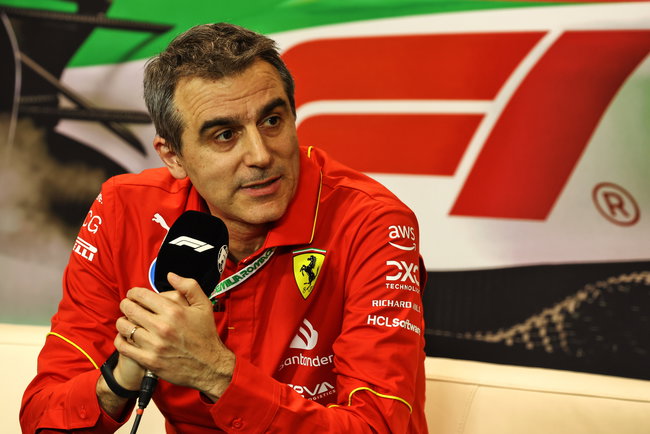
Concrete certainties are few and far between for every team. That is why, at the Italian team's end-of-season press debrief, RacingNews365 took the opportunity to speak with Enrico Gualtieri, Ferrari’s power unit technical director, in an attempt to shed some light on what lies ahead.
All this as the countdown continues towards the first car launches — Ferrari will unveil its new car on 23 January — and the first on-track running.
Viewed by others:

The big changes to the 2026 power units
Two fundamental differences set the 2026 power units apart from those used up to 2025. The most striking is the equal split in maximum power output between the internal combustion engine and the electric component: roughly 500 horsepower each.
In concrete terms, the electric side will deliver 350 kW, almost tripling its previous output of 120 kW, changing the ratio from an 80/20 split in favour of conventional power to a 50/50 one.
The second major change concerns energy recovery. From 2026, energy will be harvested exclusively via the MGU-K during braking and lift-off phases.
The MGU-H — the motor generator connected to the turbocharger shaft — has been eliminated altogether.
According to Gualtieri, these two regulatory shifts have fundamentally reshaped the entire philosophy behind the new power units.
The main challenges
The most obvious challenge engineers have faced stems from the threefold increase in electric power.
This has led to two key consequences. First, the battery will no longer be able to sustain electric deployment over a full lap.
On certain circuits, the electrical boost will run out well before the end of the longest straights.
Secondly, recharging the battery has become more complex. With the MGU-H gone, the MGU-K is now the sole source of energy recovery, placing far greater importance on braking efficiency and overall energy management.
What will be seen on track?
Despite these headline changes, Gualtieri does not expect races to be dominated by "lift and coast" tactics, where drivers are forced to ease off the throttle to conserve electrical energy.
Instead, the decisive factor will be software. The management systems governing energy deployment and recovery will be at the heart of performance, and could become a crucial competitive differentiator.
Those who find the most effective balance between outright pace and battery management will gain a significant edge.
Active aerodynamics, introduced by the FIA not as a direct performance enhancer but as a tool to offset energy limitations, should not create large performance gaps between cars.
Its effectiveness, Gualtieri explains, will depend almost entirely on how well it is integrated with the electronic control strategies.
Drivers, Gualtieri confirms, will play a more significant role than ever in managing power unit energy.
Although direct instructions from the pit wall will remain limited by regulation, drivers will be required to adjust energy deployment modes themselves, using steering-wheel controls far more frequently and methodically depending on race conditions and battery state.
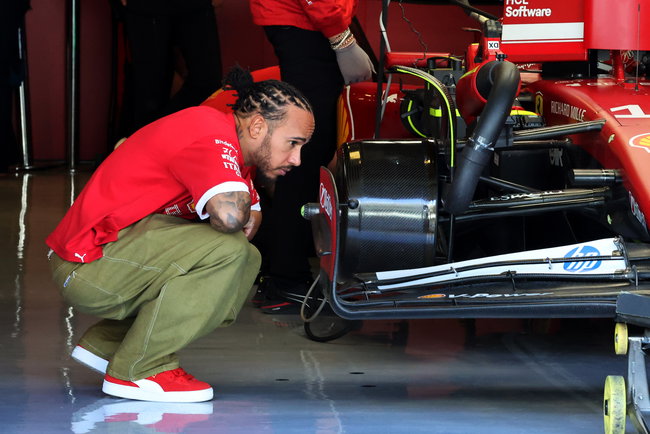
Is anyone already ahead?
The power unit regulations were finalised more than two and a half years before the 2026 season, a move designed to create a stable and robust framework.
According to Gualtieri, this should prevent a repeat of the overwhelming dominance seen at the start of the hybrid era, when Mercedes set the benchmark from 2014 to 2020.
For now, no team has a clear picture of where it stands relative to its rivals. However, reliable sources suggest that reliability issues have emerged across the board during dyno testing.
Many of these problems are linked to the new 100 per cent sustainable fuels — not due to their intrinsic quality, but because teams are pushing relentlessly to optimise combustion while simultaneously reducing weight.
This is critical, given that the minimum car weight will drop from 798 kg to 768 kg in 2026.
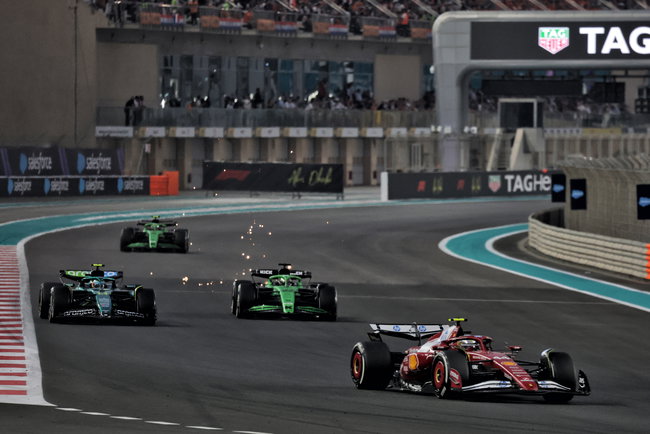
Ferrari’s progress and the bigger picture
Speculation arose following the departure of Wolf Zimmermann and Lars Schmidt at the end of the summer, raising questions about potential delays in Ferrari’s 2026 power unit programme, which Gualtieri did not confirm.
He also did not confirm rumours surrounding indecision over cylinder-head materials — initially believed to be steel for improved thermal conductivity and smaller radiators, before possibly reverting to aluminium due to reliability concerns and lower peak power in full-load tests.
As Gualtieri points out, every manufacturer has gone through an exceptionally complex initial approval phase.
The unprecedented balance between electric and internal combustion power has forced all teams into uncharted territory.
What is clear is that Formula 1 is entering completely new technical ground. Once the season begins and real-world efficiency and performance figures are established, the development curve is likely to be exceptionally steep.
Car evolution will be relentless — not only to chase lap time, but in some cases to compensate for weaknesses in the power unit itself.
Most read

Never miss a thing from the Formula 1 season! Add the 2026 F1 schedule to your calendar at the touch of a button. Subscribe below and put the dates and times of every race directly on your PC or smartphone, so you don't miss a second from the new season.
Download the F1 calendar Download the F1 calendar
A variant with just the race and qualifying is also available.
Click here to download it..






Join the conversation!