


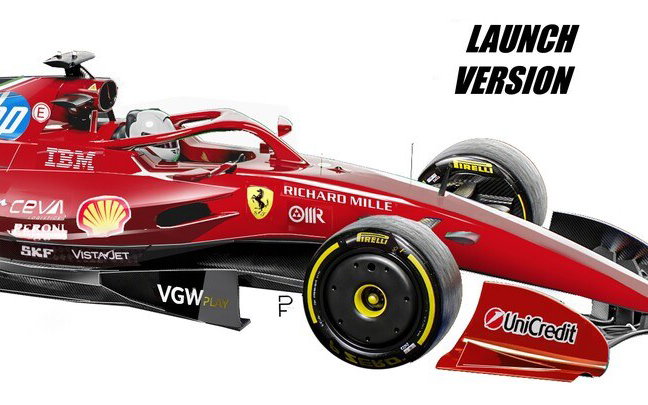
Ferrari has confirmed that its 2026 Formula 1 car will be unveiled on 23 January, as the Scuderia aims to leave behind the limitations that plagued the SF-25 last season.
The SF-25 represented Ferrari's final ground-effect car, with the new technical regulations introducing sweeping changes to both car design philosophy and power unit design. These alterations mark the most significant rule changes since the previous generation was introduced in 2022.
Across the paddock, teams have committed substantial resources to interpreting the revised regulations, with each constructor seeking to exploit every available performance opportunity from the outset.
However, this aggressive development approach carries inherent risks given the fundamental nature of the changes.
The regulatory overhaul effectively requires teams to start with a near-blank canvas, with limited carry-over knowledge from the current generation of machinery.
This challenge is compounded by reduced development time, particularly affecting the implementation of unconventional solutions across multiple car systems, from internal fluid dynamics to comprehensive aerodynamic packages.
Ferrari's two-stage development approach
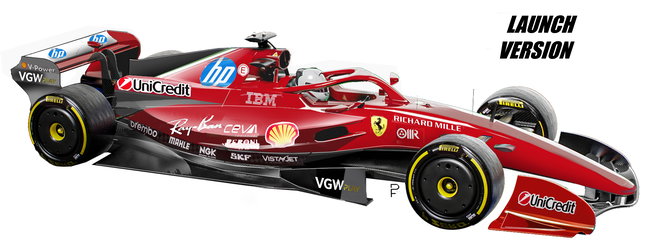
Fred Vasseur has confirmed that Ferrari's launch-spec car will differ substantially from the machine that takes to the grid in Melbourne. Speaking during the team's Christmas gathering in Maranello, the team principal outlined a two-phase development strategy that Ferrari, along with several other teams, will adopt.
The initial specification will serve primarily as a test platform during the closed-door Barcelona sessions at the end of January. These early runs will focus on validating packaging solutions, fluid dynamics, and the electronic management systems for the new power units, rather than outright performance.
Performance will not be the priority at Montmeló, with the Barcelona specification designed as an on-track test bench for fundamental systems validation.
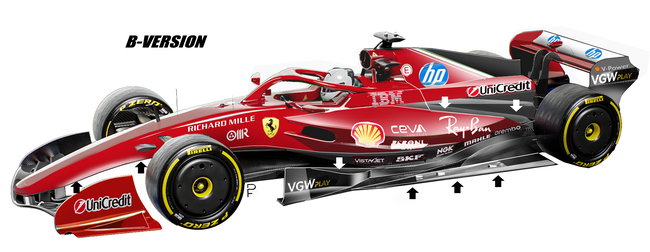
The Bahrain test sessions will witness the car's evolution towards its more definitive specification across several critical aerodynamic areas.
This progressive development approach allows Ferrari to implement lessons learned from the initial running whilst maintaining a cautious approach to the technical unknowns.
Article continues below the drawings...
Critical 2026 design areas
The nose section has emerged as a particularly crucial element for all teams under the new regulations. Beyond the stricter safety requirements, including a mandatory two-stage crash test, the introduction of active aerodynamics has necessitated a complete rethink of this area.
Optimising airflow towards the floor and sidepod inlets represents a key challenge, particularly as teams pursue further radiator miniaturisation.
In Ferrari's final car specification, the radiator positioning could differ markedly from the launch version, enabling a more aggressive narrowing of the rear section and significantly cleaner airflow management.
Suspension design also appears set for revision, with current indications suggesting Ferrari will return to push-rod layouts at both front and rear.
This decision stems not from any fundamental failure of the SF-25's front pull-rod configuration, but rather from the theoretical advantages offered by revised internal component positioning.
The push-rod arrangement theoretically permits more pronounced narrowing of the lower chassis sections, resulting in a slimmer nose profile and tighter rear packaging whilst ensuring adequate airflow to the rear diffuser.
Also interesting:
Join RacingNews365's Ian Parkes, Sam Coop and Nick Golding in the final episode of the year, as Ian and Sam battle it out again in the RacingNews365 Big Fat F1 Quiz of the Year! Join in the fun by yourself or with other people to test your 2025 F1 knowledge!
Rather watch the podcast? Then click here!


Most read


In this article
Never miss a thing from the Formula 1 season! Add the 2026 F1 schedule to your calendar at the touch of a button. Subscribe below and put the dates and times of every race directly on your PC or smartphone, so you don't miss a second from the new season.
Download the F1 calendar Download the F1 calendar
A variant with just the race and qualifying is also available.
Click here to download it..





Join the conversation!