


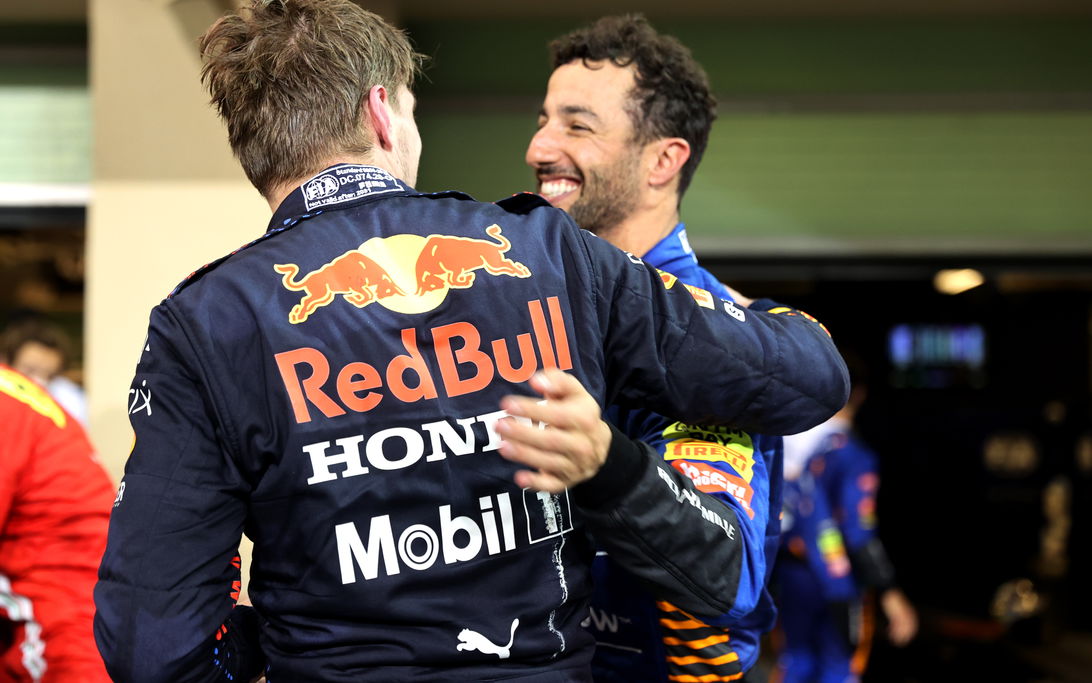
Max Verstappen’s next Formula 1 chapter will come with a new look, and not just because the series will race with all-new regulations in 2026.
After being required to relinquish the number 1 when he lost his world champion status, the Dutchman chose not to return to his long-time number 33.
Instead, Verstappen will race with Daniel Ricciardo’s former number 3, reviving one of the most recognisable digits of the modern era.
With newly crowned world champion Lando Norris preparing to run the number 1, driver numbers have once again become a talking point in Formula 1.
Since the introduction of permanent driver numbers in 2014, drivers have been allowed to choose a number between 2 and 99 to use throughout their careers.
That number remains unavailable to others while the driver is on the grid and for two seasons after they leave.
The only exceptions are the number 1, reserved exclusively for the reigning world champion and relinquished if the title is lost, and the permanently retired number 17 in memory of Jules Bianchi.
While many drivers remain loyal to a single number from karting through to Formula 1, retirements, promotions and regulation clauses have allowed certain numbers to pass from one driver to another.
Here are the 11 occurrences under the current F1 rules in which a number has been recycled.
Viewed by others:

Number 1: Sebastian Vettel, Max Verstappen and Lando Norris
The number 1 is reserved for the reigning world champion, but is optional. Sebastian Vettel ran it after his final title before reverting to number 5, while Lewis Hamilton famously kept 44 throughout all of his championship seasons.
Max Verstappen adopted the number after his first title in 2021 and used it throughout his four championship campaigns.
Having lost the crown, he was required to give it up, allowing Lando Norris to take over the number for the first time following his maiden world championship.
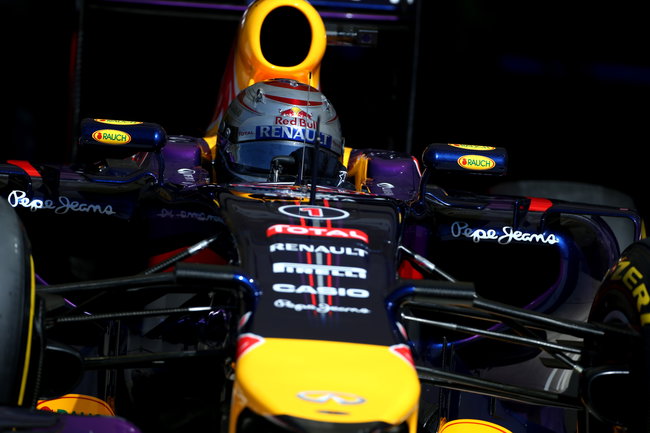
Number 2: Stoffel Vandoorne to Logan Sargeant
Stoffel Vandoorne chose the number 2 for his McLaren career, linking it to a successful Formula 4 season early in his single-seater progression. He continued to use the number beyond Formula 1.
Logan Sargeant later brought the number back to the grid with Williams, selecting it after his preferred option was unavailable and drawing on positive memories from his junior racing career.
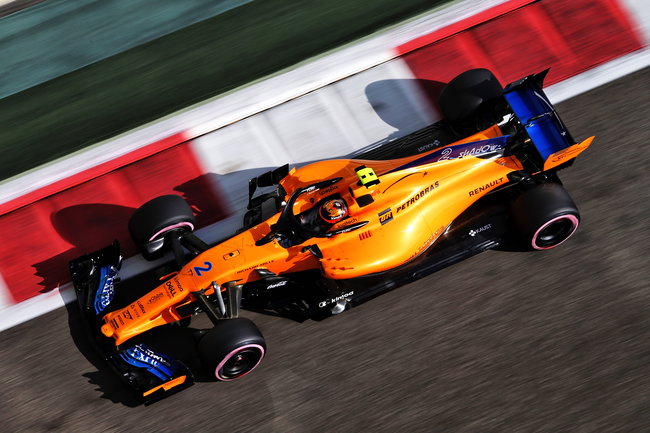
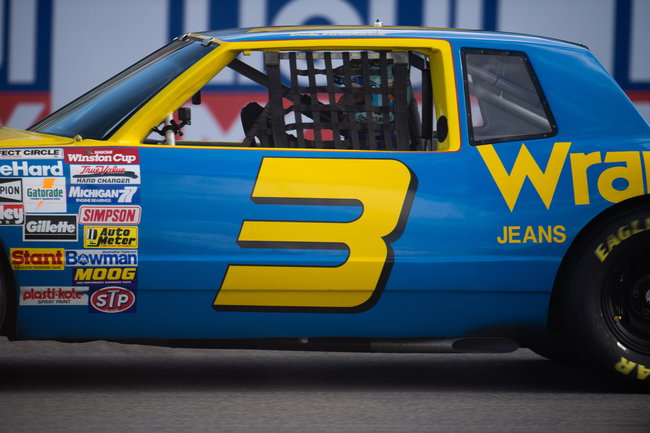
Number 3: Daniel Ricciardo to Max Verstappen
Daniel Ricciardo made the number 3 central to his Formula 1 identity after selecting it in 2014. Inspired by childhood karting memories and NASCAR legend Dale Earnhardt, the digit became closely associated with his public image and personal branding.
Following Ricciardo’s retirement, Verstappen secured permission to take over the number.
After giving up the number 1, the four-time world champion opted not to return to 33, instead choosing a digit he has long regarded as his favourite.
Number 5: Sebastian Vettel to Gabriel Bortoleto
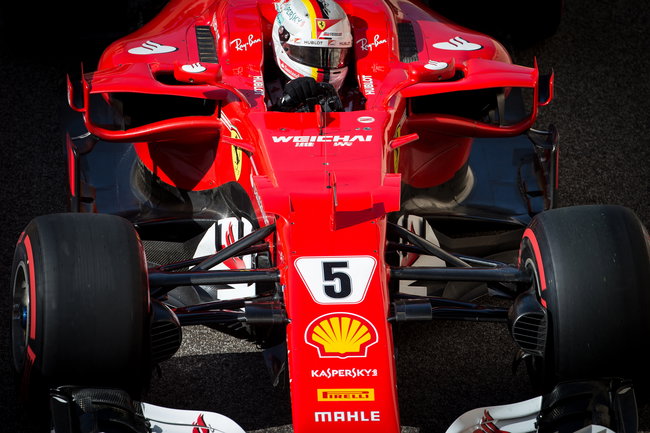
Sebastian Vettel returned to the number 5 after winning his fourth world championship, reconnecting with a digit that had followed him through karting and his first title success in 2010.
The number also reflected his admiration for Nigel Mansell, who raced the famous 'Red 5' Williams car.
After Vettel’s departure from Formula 1, the number resurfaced in 2025 with Brazilian rookie Gabriel Bortoleto. He selected it due to its link with his Formula 3 title and its roots in his early racing career.
Number 6: Nico Rosberg, Nicholas Latifi and Isack Hadjar
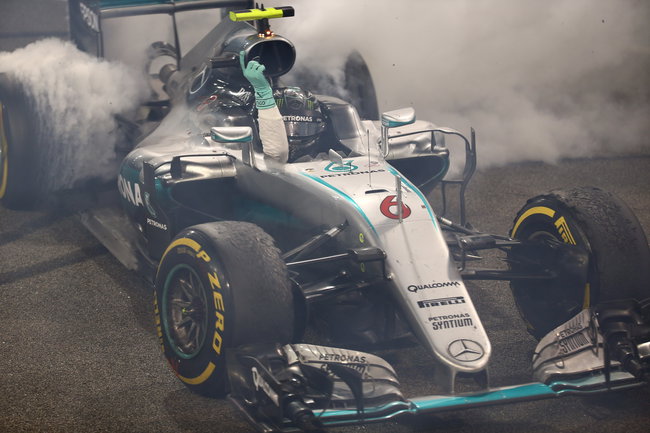
Nico Rosberg chose the number 6 when permanent numbering was introduced, citing its family significance.
The digit later became part of his legacy when he claimed the 2016 world championship, matching the number his father Keke Rosberg used during his 1982 title run.
Nicholas Latifi later ran the number during his Williams career, referencing its cultural connection to his hometown of Toronto.
After Latifi left the grid, Isack Hadjar selected the number for his 2025 rookie season with Racing Bulls, continuing a lifelong association that began with his first kart and carried through to his promotion to Red Bull.
Number 7: Kimi Räikkönen to Jack Doohan
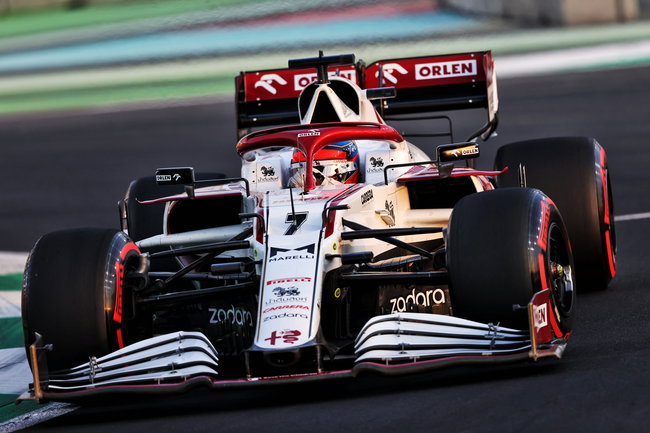
Kimi Räikkönen selected the number 7 when permanent numbering was introduced, retaining it throughout the remainder of his Formula 1 career despite interest from several other drivers.
Jack Doohan adopted the number in 2025 with Alpine, choosing it due to prior experience racing with it and as a tribute to Räikkönen, who also had historical ties to the junior team Doohan once competed for.
Number 10: Kamui Kobayashi to Pierre Gasly
Kamui Kobayashi raced with the number 10 during his Formula 1 career, including his return to the grid with Caterham.
Pierre Gasly later revived the number when he joined Toro Rosso, drawing on his junior category success and using it as a tribute to French football icon Zinedine Zidane.
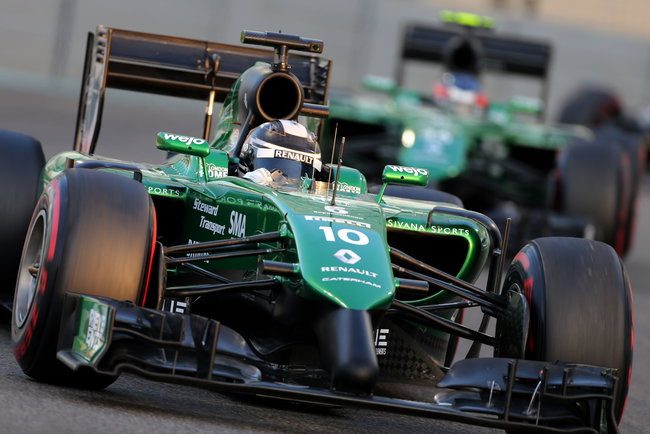
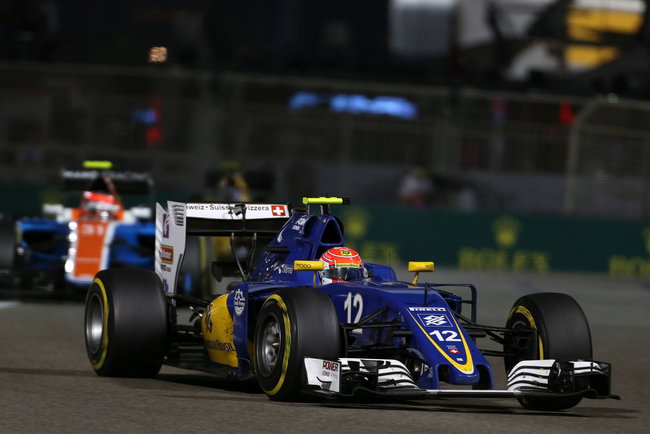
Number 12: Felipe Nasr to Kimi Antonelli
Felipe Nasr selected the number 12 during his Formula 1 career, a digit famously associated with Ayrton Senna’s first world championship.
Mercedes rookie Kimi Antonelli chose the same number for his 2025 debut, linking it to Senna’s legacy as well as his own junior career, during which he raced with the number from his first single-seater season onward.
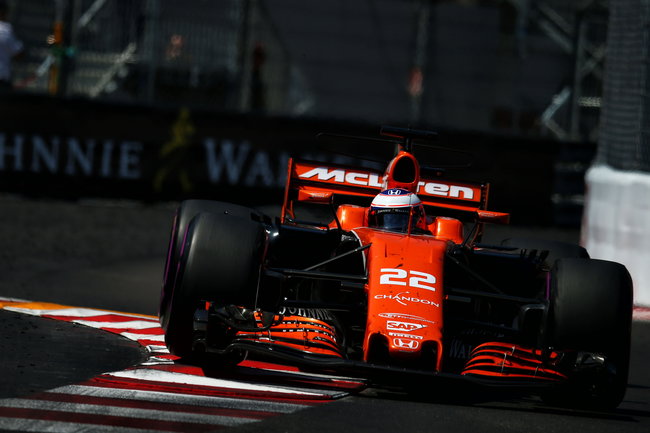
Number 22: Jenson Button to Yuki Tsunoda
Jenson Button’s use of the number 22 during Brawn GP’s remarkable 2009 season ensured it would forever be linked to one of Formula 1’s greatest fairytale stories. He later returned to it when selecting a permanent number in 2014.
The digit reappeared on the grid in 2021 with Yuki Tsunoda. With his preferred number unavailable, the Japanese driver doubled it instead, also acknowledging its connection to Button’s title-winning campaign and fellow countryman Takuma Sato.
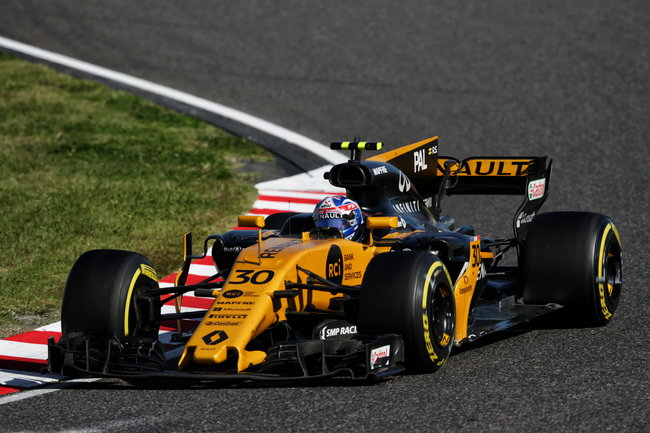
Number 30: Jolyon Palmer to Liam Lawson
Jolyon Palmer adopted the number 30 after using it during practice outings prior to his full-time Formula 1 debut, keeping it throughout his stint with Renault.
Liam Lawson later took over the number once eligible to select a permanent digit.
Although he initially ran with a temporary number during substitute appearances — having raced under number 40 whilst a stand-in for Ricciardo in 2023 — Lawson reverted to 30 due to its long-standing personal significance from his karting career.
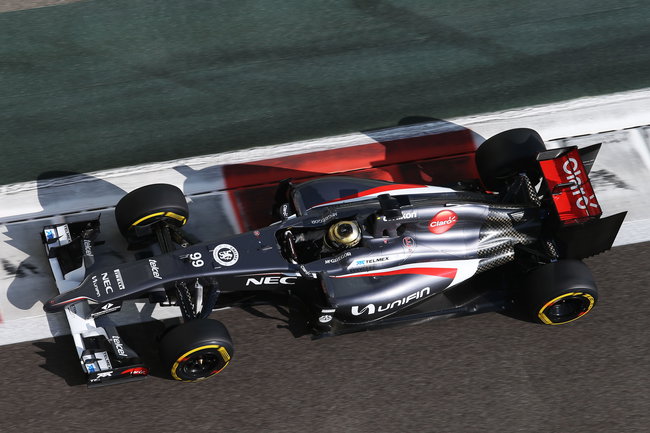
Number 99: Adrian Sutil to Antonio Giovinazzi
Adrian Sutil selected the highest available number, 99, becoming the first driver to race with it in a Formula 1 Grand Prix.
The digit had previously appeared only at the Indianapolis 500 under non-F1 regulations.
Antonio Giovinazzi later chose the same number, linking it to an early karting victory and viewing its position at the end of entry lists as a source of good fortune.
Also interesting:
Join RacingNews365's Ian Parkes, Sam Coop and Nick Golding in the final episode of the year, as Ian and Sam battle it out again in the RacingNews365 Big Fat F1 Quiz of the Year! Join in the fun by yourself or with other people to test your 2025 F1 knowledge!
Rather watch the podcast? Then click here!


Most read



In this article
Never miss a thing from the Formula 1 season! Add the 2026 F1 schedule to your calendar at the touch of a button. Subscribe below and put the dates and times of every race directly on your PC or smartphone, so you don't miss a second from the new season.
Download the F1 calendar Download the F1 calendar
A variant with just the race and qualifying is also available.
Click here to download it..






Join the conversation!