


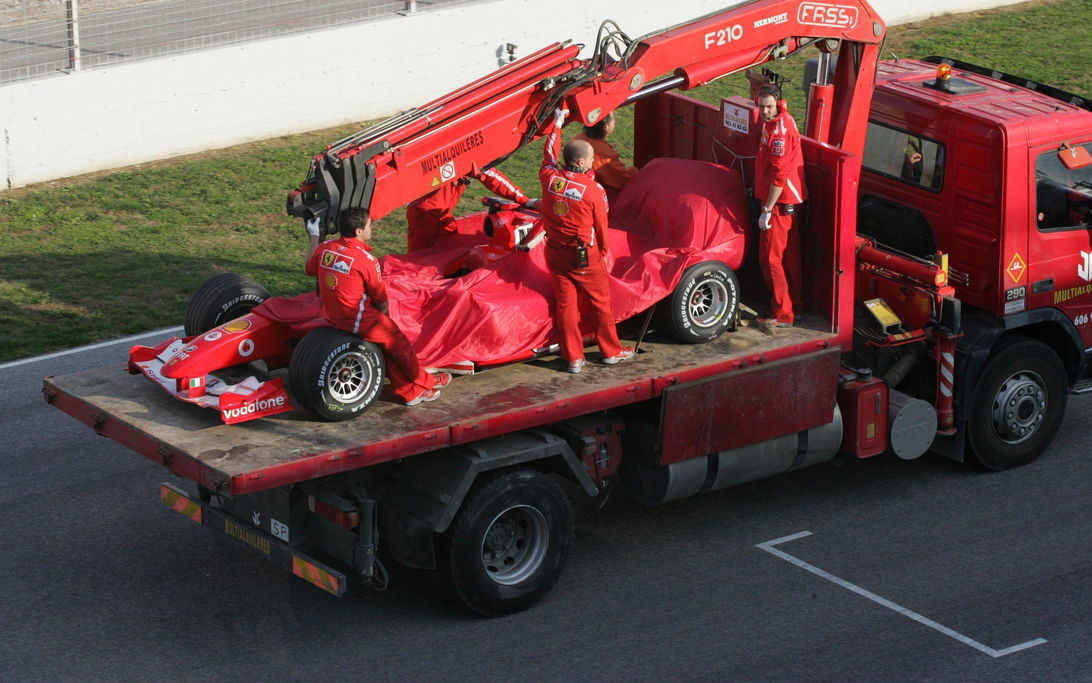
20 years ago, the F1 paddock descended on the Jerez Circuit for a winter test.
F1 was going through a dramatic change as the iconic V10 engines were replaced by V8s which shaped the next cycle of technical regulations.
During this period of F1, testing was much more extensive and open than the current regulations, which leave very little opportunity to gather data outside official sessions.
Ferrari's new engine had already covered the necessary test miles. After extensive work on the Scuderia's test bench, Ferrari fitted the V8 engine into the back of an already existing F1 car for the first time in the second half of 2005.
Even more dramatically, Ferrari opted to field the 2004 chassis during the winter test on January 11, with the V8 engine installed at the rear. At the time, the Ferrari 248 car was not yet ready to hit the road.
Elsewhere on the grid, McLaren was forced to test with an old V10 engine that had been scaled back to mimic the characteristics of the new V8.
The team found it difficult to fit the actual V8 engine in the old chassis as Ferrari was able to do, so they had to rely on the car/engine combination from the previous year.
McLaren denied that the team is at a disadvantage and claimed that it could gather important data even with the modified V10 engine. That way, they said, they could intensively work through the data collected on the track at the factory while simultaneously working on the new V8 engines.
Article continues below the image
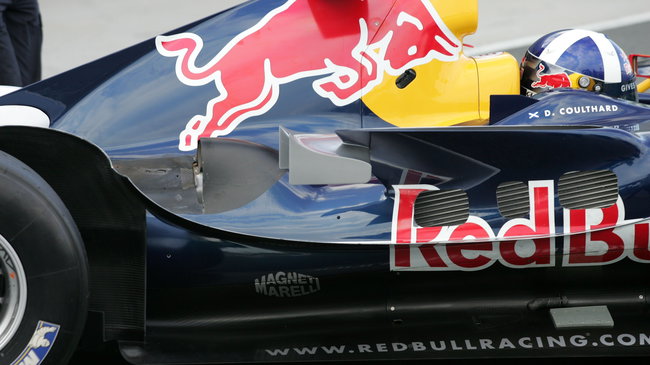
Red Bull with large holes in bodywork
There were also major problems at Red Bull, in the team's second year. The RB2 had a compact rear-end design, but this was accompanied by major cooling problems, forcing the team to drive with large holes in the bodywork (pictured above).
Ferrari was also not entirely bulletproof either, as Michael Schumacher came to a halt and saw his car return to the pits on the back of a recovery truck.
Also present at the test was Toro Rosso, as Red Bull's second team continued the journey left behind by Minardi.
The Faenza-based squad was given special dispensation to run V10 engines during the year, their first on the grid.
With a major regulation change on the cards this year, the issues faced 20 years ago serve as a reminder that such integration issues are common when such a large shift is enforced.
Also interesting:
The 2026 F1 Cars Revealed: Everything You Need to Know!
Discover how the 2026 F1 regulations will revolutionise the sport, with a shift to movable wings instead of traditional DRS, to the increased electrical power in the hybrid systems, and the introduction of 100% sustainable fuel.
Most read

In this article
Never miss a thing from the Formula 1 season! Add the 2026 F1 schedule to your calendar at the touch of a button. Subscribe below and put the dates and times of every race directly on your PC or smartphone, so you don't miss a second from the new season.
Download the F1 calendar Download the F1 calendar
A variant with just the race and qualifying is also available.
Click here to download it..





Join the conversation!