


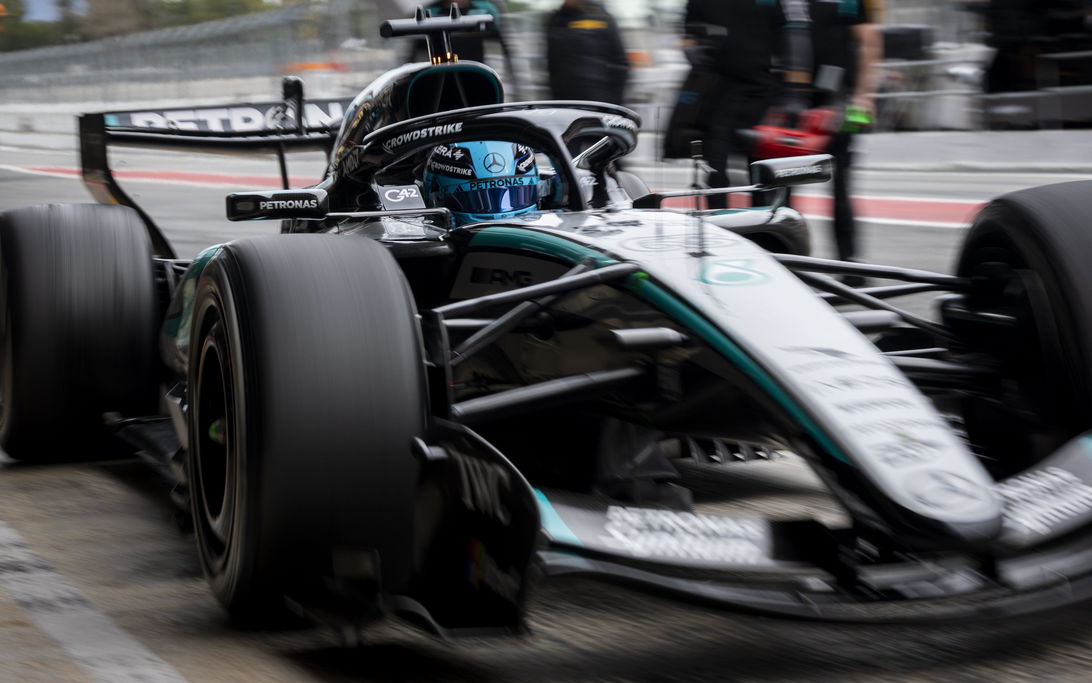
Mercedes faces mounting pressure from rival engine suppliers over an ingenious loophole that could deliver a significant power advantage under this season's new regulations.
The Silver Arrows has discovered a method to achieve an 18:1 compression ratio despite regulations stipulating a maximum of 16:1.
At present, the trick exploits a measurement gap as the FIA would conduct compression ratio checks in ambient conditions, but Mercedes can apparently achieve the higher ratio once the power unit reaches operating temperature on track.
Whilst technically legal, the solution has triggered fury amongst Mercedes' rivals. Ferrari, Audi and Honda have already lodged formal complaints with the FIA, submitting a letter demanding regulatory changes.
The issue has been the subject of discussion at a variety of meetings in recent weeks, notably the Power Unit Advisory Committee on Thursday, with initial reports suggesting a compromise had been reached.
This is understood not to be the case. Suggestions have, however, been aired regarding a new measurement procedure whilst engines are running.
Red Bull's involvement adds another layer of intrigue to the saga. Initially, the team was silent on the matter, sparking suggestions that it was aligned with Mercedes and had found its own path inside the loophole.
However, the feeling is that Red Bull has shifted allegiance to the opposition trio, indicating it has abandoned a similar development route.
If Red Bull has deviated, this would have significant consequences under the super-majority rules, providing the FIA and F1 are also in agreement with the four manufacturers going up against Mercedes.
Viewed by others:


Rule change delay until 2027?
Mercedes team principal Toto Wolff is adamant, however, that under the current PU regulations, its system is legal following talks with, and checks conducted by, the FIA, with president Mohammed Ben Sulayem even offering his support.
"The power unit is legal,” he said in response to a question from RacingNews365. “The power unit corresponds to how the regulations are written.
"The power unit corresponds to how the checks are being done. The power unit corresponds to how these things are measured in any other vehicle, and everything else I can't judge upon.
"That's how we see the world today, and that's what the FIA said. That's what the president of the FIA said, and he knows a bit about that. In that respect, let's wait and see. But we feel robust."
Further discussions are planned, and potential rule changes could be implemented. The realistic outcome is that any regulatory change is delayed until 2027.
The controversy highlights the intense technological battles brewing ahead of F1's most significant regulatory overhaul in decades, with engine performance set to play a crucial role in determining championship success.
Also interesting:
Join RacingNews365's Ian Parkes and Nick Golding, as they look back on last week's five-day F1 test in Barcelona. McLaren's upgrade strategy is discussed, as is Aston Martin grabbing much attention with its striking AMR26.
Rather watch the podcast? Then click here!


Most read








In this article
Never miss a thing from the Formula 1 season! Add the 2026 F1 schedule to your calendar at the touch of a button. Subscribe below and put the dates and times of every race directly on your PC or smartphone, so you don't miss a second from the new season.
Download the F1 calendar Download the F1 calendar
A variant with just the race and qualifying is also available.
Click here to download it..






Join the conversation!