


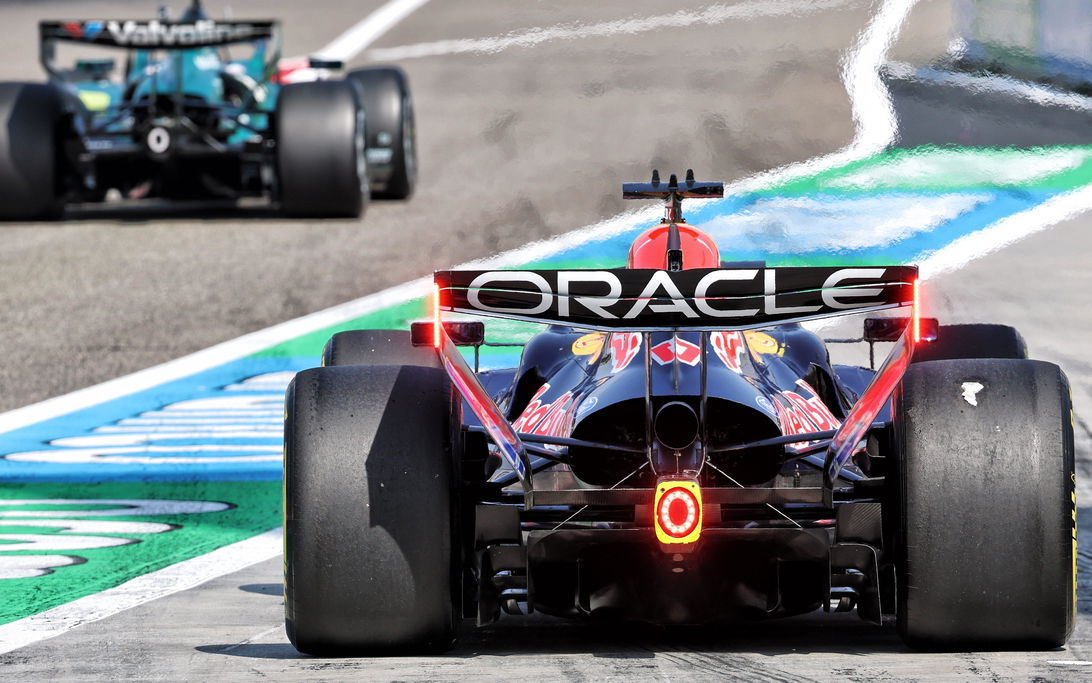
Is Formula 1 facing an identity crisis? In short, I believe it is. But I will delve into more detail as to why I hold that opinion.
You would need to search the web for several hours to find multiple articles featuring positive comments from drivers about the new power unit regulations. Negativity and criticism were in the air during the first of two three-day tests in Bahrain, with some of F1’s biggest figures leading the charge.
For 2026, F1 has moved to a 50-50 split between electrical power and internal combustion, while also axing the MGU-H and introducing sustainable fuel. It is arguably its biggest move yet towards electrification.
From the drivers’ first simulator sessions of the new cars last year, concerns were raised over the direction the sport had taken, while discussions even took place over whether the regulations should be scrapped from 2029 for a return to V8 or V10 engines.
In the end, F1 and the FIA powered on with the new rules as they were initially planned, with perhaps the drivers’ early worries being toned down.
It is the biggest regulation change in the history of F1; issues were always going to be present — an argument for why concerns were largely brushed aside. Think of it as an old-fashioned "Oh, you’re only complaining because it’s something new!"
If the first Bahrain test taught F1, the FIA and the media anything, it is that the early concerns were entirely accurate. Lifting and coasting on straights, speed reducing while at full throttle, major energy management, qualifying laps not being conducted flat-out — you name it, it is happening.
Champion Lando Norris is one of a select few to have spoken positively about the new regulations. Is this genuine, or are these mind games given the leading voices who are complaining? Only time will tell!
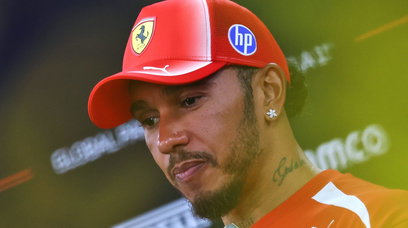
Lewis Hamilton, Fernando Alonso and Max Verstappen were the biggest figures to speak out against the new cars. Hamilton compared the speeds to GP2; Alonso suggested his chef could drive the car, while Verstappen described it as "like Formula E on steroids", and that the new formula was "anti-racing".
The Dutchman’s comments lead us to a very interesting point.
Viewed by others:

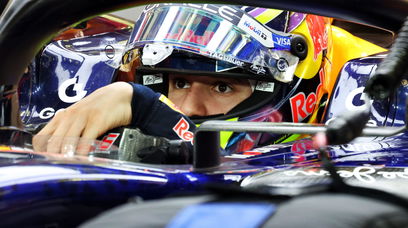
Verstappen's Formula E comments
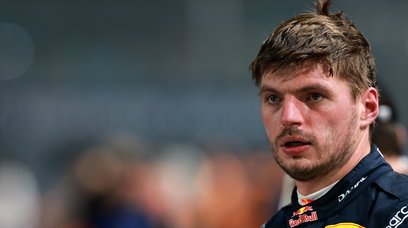
While Hamilton’s comments last Wednesday were punchy, Verstappen took the criticism of the new regulations into a different dimension.
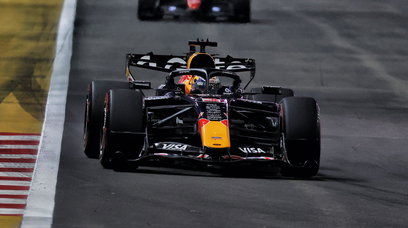
The four-time champion complained about the complexity and sheer demands of energy management, rather than focusing on pushing flat out. In addition, he was critical that a qualifying lap — normally when a driver can push flat out to the absolute limit — required an element of lifting and coasting to ensure the battery lasted an entire lap.
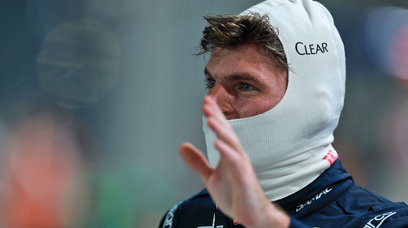
In full, Verstappen told select media, including RacingNews365: "A lot of what you do as a driver, in terms of inputs, has a massive effect on the energy side of things. For me, that’s just not Formula 1. Maybe it’s better to drive Formula E, right? Because that’s all about energy, efficiency and management."
Bringing up Formula E — the only all-electric FIA single-seater world championship — was a fascinating move by the Red Bull driver, who made several very accurate points. However, following the comments, social media quickly flooded with messages suggesting Verstappen was mocking Formula E and that the category would take a negative view of what was said.
That could not be further from the truth. I was in the Formula E paddock for its Jeddah E-Prix when Verstappen’s comments broke. Word spread around the paddock like wildfire, but not in a negative sense. Many drivers I spoke to agreed with the 28-year-old, as did CEO Jeff Dodds.
Dodds, who has a good relationship with Verstappen, described his comments as "logical", believing that what the driver was saying was not that Formula E is a bad series, but rather that if he wanted to drive in a championship where energy management was so fundamental, he would compete in it instead of F1.
Since its inception in 2014, Formula E races have been about energy management, in some races to a more extreme extent than others. Ultimately, it is the driver who can manage the available energy while maintaining the best pace who wins, something that results in 100-plus overtakes regularly. Crucially, a qualifying lap is flat out.
Speaking in an interview last weekend with RacingNews365, Dodds explained: "I viewed Max’s comments as very logical, which is: if I wanted to race in this style of racing, I would be at Formula E, which is what they’ve always done and what they’re designed for. That’s not to my taste."
Article continues below the image...
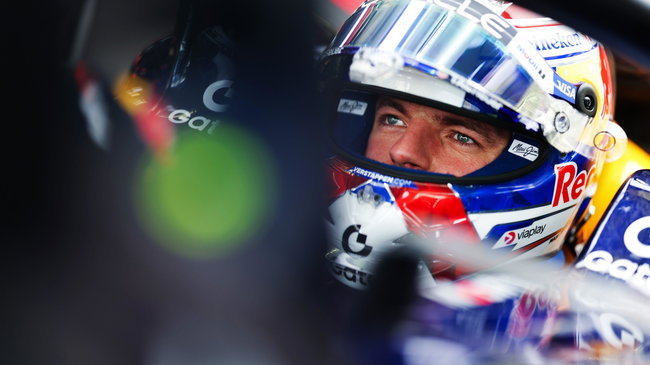
Why Formula E makes F1’s new regulations decision that much more confusing
The sheer existence of Formula E makes F1’s decision to move to a 50-50 power-unit split confusing to me, because where does F1 go next?
Yes, it could move to 60-40 or 70-30 in favour of electrification, but it can never go fully electric, at least not until 2049. Last year, the deal for Formula E to be the FIA’s only all-electric single-seater series was extended to at least 2048.
So why exactly is F1 pushing for more electrification when it is simply not allowed to be the best at it, or to go fully 100% into it? I just don’t understand. Yes, the automotive industry is pushing ahead with EVs — is this simply a case of F1 trying to please manufacturers with technology in which it is heavily investing?
There is so much for F1 to learn when it comes to electrification, a large reason why at least eight drivers in the Formula E paddock have been signed for simulator roles. Several engineers have also been hired by F1 teams.
It feels like F1 is in no man’s land for now, as it cannot go fully electric, nor can it immediately jump ship and turn around. It will have to wait at least four years to make changes. So what should it do?
A return of the V8 or V10?
In the eyes of many, including myself, the right solution for Formula 1 is to bring back either the V8 or V10 engine, ideally as early as 2030/2031, and naturally run on sustainable fuel.
Power, big engines, high speeds, and drivers pushing to the absolute limit — that is what F1 should be, and that is what it can return to by bringing back a monstrous V8 or V10.
This leads to the most confusing part of the new regulations for me: if F1 has introduced 100% sustainable fuel for 2026, then why could it not have just brought back a mighty internal combustion engine in the first place, rather than going down this 50-50 route?
It feels like a question that will, at some point, need addressing by senior figures, with the current focus on ensuring that the first race of the new era next month in Melbourne is a success, not 58 laps of embarrassment.
I firmly believe F1 will turn it around or, at worst, have its hand forced to make radical changes. If not, by 2030, then a key phrase pinned to F1 since 1950 — the pinnacle of motor sport — will no longer apply.
For those who love it or hate it, Formula E is going nowhere and has made extraordinary strides in just 11 and a half years.
From needing two cars per driver to finish a race, to introducing its new car at the end of this year — the Gen4 — capable of producing 600 kW (815-plus bhp), speeds of over 210 mph already achieved in testing, and permanent four-wheel drive. Current estimates predict it will be as quick, if not quicker, than an F2 car.
Come the Gen4 Evo, likely at the end of 2028 when slick tyres are rumoured to be introduced, and the Gen5 around 2030–2031, a Formula E car could potentially be as quick, if not faster, than F1.
That is not a guess — that is a fact. F1, if it wants to remain top dog, needs to decide what it wants to be and which road it wants to take with its engine. Time is of the essence because Formula E is pushing for the top spot.
Also interesting:
Join RacingNews365’s Ian Parkes, Sam Coop and Nick Golding as they look back on last week’s first test in Bahrain and this week’s second test at the same venue. The trio debate Max Verstappen’s criticism of the regulations and whether Formula 1 is facing an identity crisis.
Rather watch the podcast? Then click here!


Most read
Never miss a thing from the Formula 1 season! Add the 2026 F1 schedule to your calendar at the touch of a button. Subscribe below and put the dates and times of every race directly on your PC or smartphone, so you don't miss a second from the new season.
Download the F1 calendar Download the F1 calendar
A variant with just the race and qualifying is also available.
Click here to download it..





Join the conversation!