


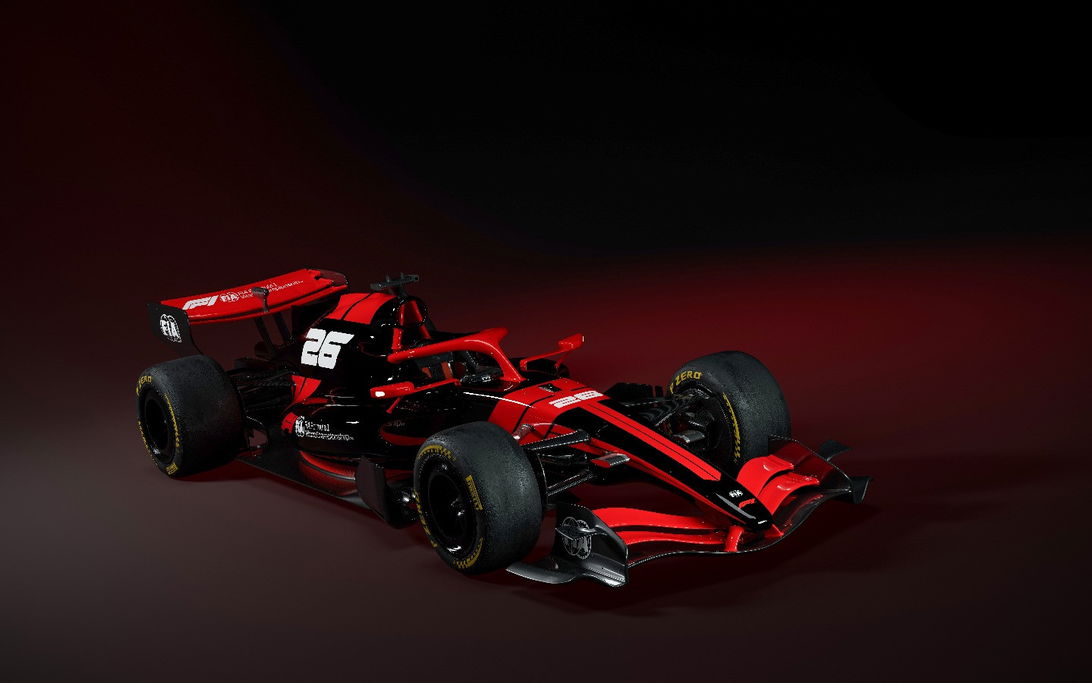
The FIA has moved swiftly to block another potential avenue of exploitation within Formula 1's revolutionary 2026 power unit regulations, highlighting the ongoing scrutiny manufacturers face over the new technical framework.
Whilst the compression ratio controversy involving Mercedes and Red Bull continues to rumble on, fresh regulatory amendments have revealed teams were probing grey areas surrounding fuel-flow meter manipulation.
The governing body has significantly tightened restrictions around temperature control of the mandatory Allengra fuel-flow meters that will be fitted to all cars.
Originally, regulations stated that "any intentional heating or chilling of the fuel-flow meter is forbidden."
However, following December's World Motor Sport Council meeting, this wording has been replaced with more expansive language: "Any device, system, or procedure, the purpose of which is to change the temperature of the fuel-flow meter is forbidden."
The change eliminates potential loopholes that could allow teams to manipulate meter temperatures without it being classified as 'intentional' interference.
This development stems from F1's switch to fully sustainable fuels for 2026, replacing the current 100kg/h mass flow limit with a 3000MJ/h energy flow ceiling.
The new system requires a single standard ultrasonic flow meter from Allengra, providing data to both teams and the FIA.
Manipulating fuel-flow meter temperature could theoretically alter fuel composition readings or measurement accuracy, providing performance advantages.
Whilst the regulatory tightening doesn't necessarily indicate teams were actively pursuing this route, it demonstrates the FIA's determination to close potential exploitation avenues before they can be exploited.
Most read






Never miss a thing from the Formula 1 season! Add the 2026 F1 schedule to your calendar at the touch of a button. Subscribe below and put the dates and times of every race directly on your PC or smartphone, so you don't miss a second from the new season.
Download the F1 calendar Download the F1 calendar
A variant with just the race and qualifying is also available.
Click here to download it..





Join the conversation!