


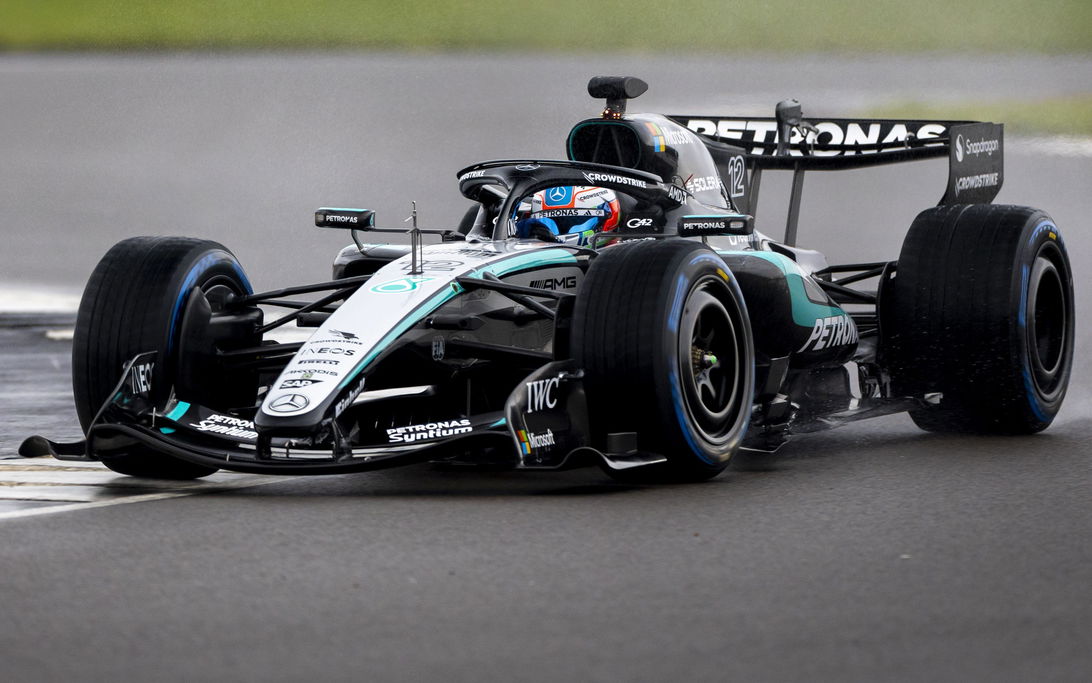
FIA single-seater director Nicolas Tombazis has downplayed suggestions the new F1 power units could mimic the results of 2014.
F1 last went through a significant engine change 12 years ago when the sport introduced the turbo hybrid power units for the first time.
They have received another tweak this year as increased importance has been placed on the battery - placing the electrical output level with the combustion engine.
The rule change has invited new manufacturers to get involved in the sport, which Tombazis sees as an early positive for the major shift.
“We don't have access to the performance figures,” Tombazis exclusively told RacingNews365.
“We think that there are certain areas where the regulations have been simplified to a bit to make it more possible for newcomers, which is one of the success stories because we do have newcomers.
“That is very easy to forget, that if we hadn't made this regulation change, we currently would have just two PU manufacturers supplying entrants in F1.
“That would not have been good for the sport. We need to not forget that we have five and one coming [General Motors] because of those changes.”
Viewed by others:
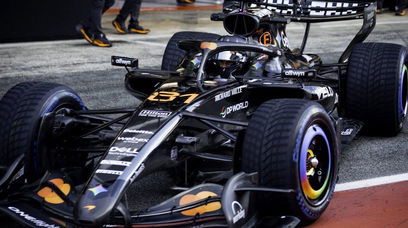
In 2014, Mercedes emerged from the gates with the strongest power unit and dominated the sport for numerous seasons.
However, F1 has adopted measures to ensure a similar situation does not arise this time around, primarily through the ADUO system, which will provide extra opportunities to manufacturers who are struggling.
The power unit has also been simplified from the previous version, with changes including the removal of the complicated MGU-H component.
As a result, Tombazis is confident that F1 will avoid a similar scenario to 2014 this time around.
“Some of the criteria to make sure we reset the scales a bit from starting with a huge deficit was to make certain simplifications to the rules,” he said.
“Those simplifications, I believe, will mean that the performance variations are going to be bit smaller.
“Secondly, back then, the level of simulation capability was quite different. It meant that some people got it seriously, seriously wrong in terms of where the optimum had to be.
“They didn't just design an engine that was worse in a lot of detail, they were in a different ballpark altogether.
“I believe that won't be the case [this year]. And finally, we do have regulations within a cost cap reality that give people who are behind a bit more time to develop and so on.
“Do we expect everyone to be within a few horsepower at race one? No, of course not.
“I do think there will be some people who are in a very good place, and maybe some who will be struggling a bit.
“But we have put all the ingredients in place so they can catch up as quickly as possible.”
Also interesting:
Join RacingNews365's Ian Parkes and Nick Golding, as they look back on last week's five-day F1 test in Barcelona. McLaren's upgrade strategy is discussed, as is Aston Martin grabbing much attention with its striking AMR26.
Rather watch the podcast? Then click here!


Most read


Never miss a thing from the Formula 1 season! Add the 2026 F1 schedule to your calendar at the touch of a button. Subscribe below and put the dates and times of every race directly on your PC or smartphone, so you don't miss a second from the new season.
Download the F1 calendar Download the F1 calendar
A variant with just the race and qualifying is also available.
Click here to download it..





Join the conversation!