


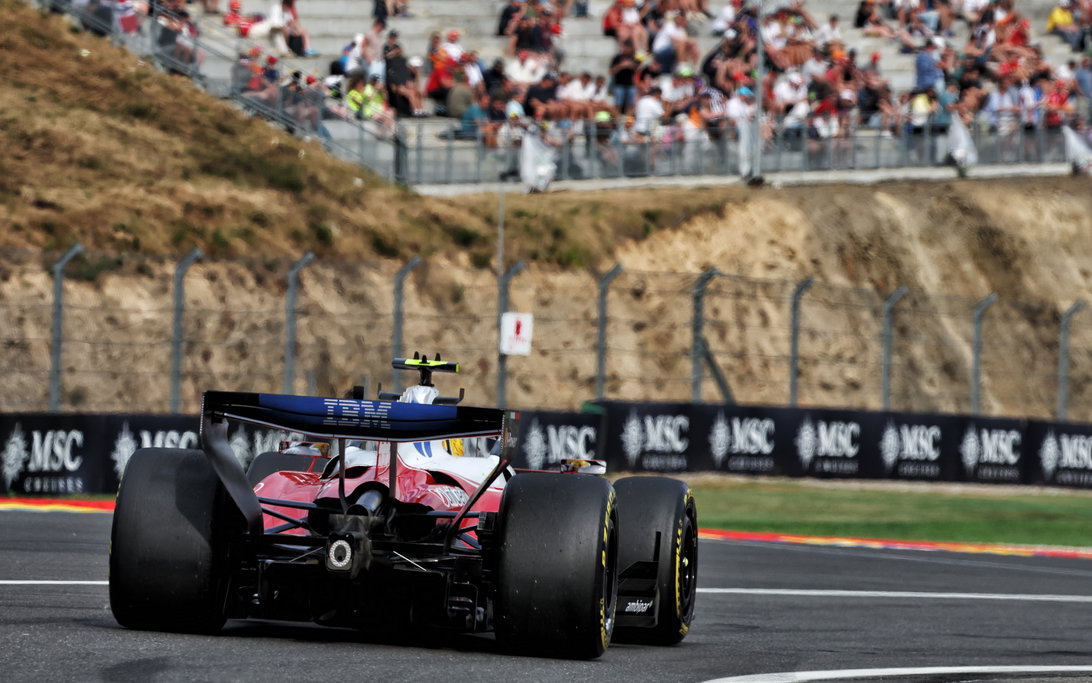
Drawing clear conclusions from the opening two practice sessions at Spa-Francorchamps is no simple task.
Far from presenting a consistent picture, FP1 and FP2 told very different stories, making it difficult to identify any straightforward trend linking the two.
The one thread running through both sessions was the highly complex management of electrical energy recovery around the legendary circuit. FP1 at least offered a reasonably clear read on where each car was strong and where it was limited, with sector-by-sector performance painting a useful picture of each package's capabilities.
FP2, however, was a different matter entirely, best characterised as a session of deliberate experimentation with energy deployment strategies rather than representative performance running.
Kimi Antonelli was largely an exception to that theme. Mercedes made set-up adjustments to his W17 following difficulties in the opening session, allowing the Italian a more straightforward run in FP2.
Crucially, though, Mercedes confined its changes to the mechanical set-up and did not substantially alter the energy management strategy it had already been running.
Viewed by others:
Ferrari's experiment backfires, but engineers see a path forward
For Ferrari, the approach in FP2 was markedly different. The SF-26 had been strikingly quick through the second sector in FP1, outpacing every other car through that stretch of the circuit.
Rather than simply refine what was working, the Scuderia's engineers used the second session to trial a revised energy harvesting strategy, with the stated goal of redistributing that mid-sector advantage across the other two sectors, both of which had proved troublesome in FP1, and particularly the final sector.
The experiment did not go to plan. A combination of minor aerodynamic load reductions and the altered energy strategy ate into the SF-26's advantage through Sector 2 by roughly half a second, without delivering the compensatory gains elsewhere that Ferrari had been hoping for.
Sources indicate that Ferrari's engineers have a clear understanding of the headroom available and believe the exercise, despite its outcome, has given them a useful steer for refining both the car's set-up and energy deployment approach before qualifying on Saturday.
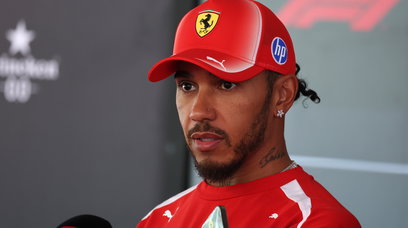
The upshot is that the raw gaps seen in FP2 are not a reliable representation of where the SF-26 actually sits at Spa. Lewis Hamilton's seven-tenth deficit and Charles Leclerc's 1.1-second gap, which was also partly the result of a mistake on his flying lap, should be viewed through that lens rather than taken at face value.
Friday's running did at least allow Ferrari to gather useful race pace data across the tyre compounds, and FP3 will now serve as the key opportunity to evaluate the changes derived from the extensive data collected throughout the day.
Get the latest F1 news from RacingNews365 directly in your Google feed! Click on the link below and you’ll see your favourite F1 website appearing even more often. That way, you’ll never miss any news, analyses, interviews, or exclusives.
Follow RacingNews365 on GoogleMost read
In this article
Never miss a thing from the Formula 1 season! Add the 2026 F1 schedule to your calendar at the touch of a button. Subscribe below and put the dates and times of every race directly on your PC or smartphone, so you don't miss a second from the new season.
Download the F1 calendar Download the F1 calendar
A variant with just the race and qualifying is also available.
Click here to download it..






Join the conversation!