


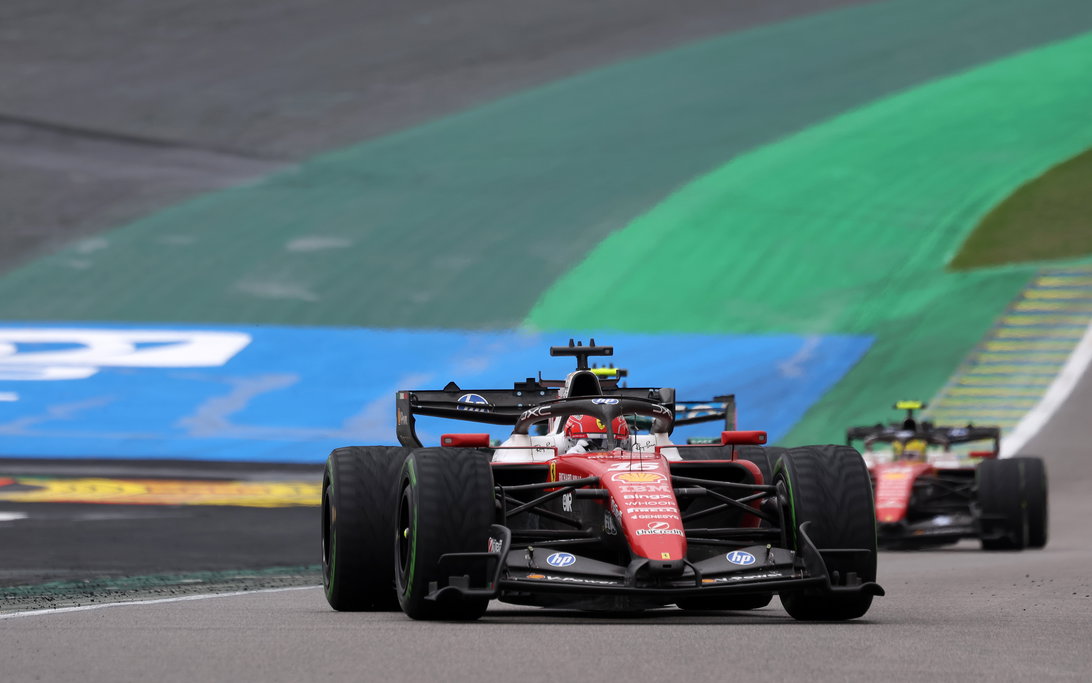
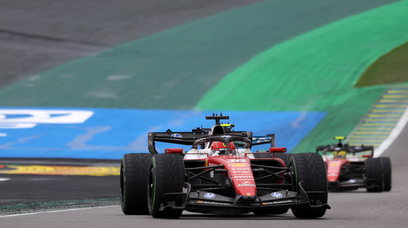
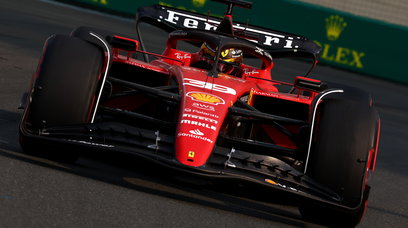
Ferrari's performance in the São Paulo Grand Prix fell well short of the level shown a week earlier in Mexico City, and indeed of previous rounds, with the characteristics of Interlagos proving to be the worst possible conditions for the SF-26.
The circuit's heavily twisting middle sector, combined with a quick final sector, created a difficult combination for the car.
To compensate for its draggy nature, Ferrari's engineers opted for a relatively low-downforce aerodynamic setup, which proved wholly inadequate through the middle sector, leaving the car understeering with a rear end that was extremely snappy.
It was clear from first practice that the weekend would not replicate the competitiveness seen in Mexico, where the thinner air had actually played to the strengths of the car's aerodynamics while also bringing out the best in Maranello's power unit.
The smaller-diameter turbine of the Scuderia's power unit had sharply reduced turbo lag at 2,240 metres of altitude, a factor that simply did not apply at sea level in Brazil.


A car set up around a compromise
The SF-26 is not a flawed design. Its strong aerodynamic and chassis characteristics can only partially mask the shortfall in power from the engine, however.
Had Ferrari possessed a more powerful engine in Brazil, the aerodynamic setup would likely have leaned towards more downforce, a configuration that would have been decisive through the circuit's mixed middle sector and made the car more competitive overall. As it stood, the compromise left little room to manoeuvre.
The weather added another complication. Rain reduced grip to the point where intermediate tyres were required, but it was the low temperatures that caused the bigger headache, narrowing the tyres' effective working window.
[Article continues below]
Viewed by others:

Tyre pressures and a backfiring call
It has emerged that Ferrari ran a higher-than-ideal inflation pressure on the first set of tyres during the race. That was not a mistake as such, but a deliberate attempt to get the tyres up to temperature more quickly, a call that backfired.
The higher internal pressure reduced the contact patch between tyre and tarmac, which progressively increased the temperature in the tread and accelerated degradation.
All the cars were sliding laterally because of the low grip levels, with the rear tyres also showing pronounced spinning.
Reduced downforce, through lower wing angles, combined with slightly higher ride heights than would be used in dry conditions, led to considerably faster tyre wear that was not offset by the car getting lighter as fuel burned off.
The São Paulo Grand Prix laid bare just how narrow Ferrari's performance window really is. To compensate for the power unit's shortfall, the car's overall balance, and crucially the correct management of the tyres, was effectively sacrificed, independent of the decisions Lewis Hamilton made on track against the instructions coming from his own pit wall.
Also interesting:
Join RacingNews365's Ian Parkes, Samuel Coop and Nick Golding as they look back on the São Paulo Grand Prix in Brazil! Max Verstappen’s simply staggering recovery from 21st on the grid is a key talking point, as is Ferrari’s current power unit struggles.
Rather watch the podcast? Then click here!


Most read

Never miss a thing from the Formula 1 season! Add the 2026 F1 schedule to your calendar at the touch of a button. Subscribe below and put the dates and times of every race directly on your PC or smartphone, so you don't miss a second from the new season.
Download the F1 calendar Download the F1 calendar
A variant with just the race and qualifying is also available.
Click here to download it..


Join the conversation!