


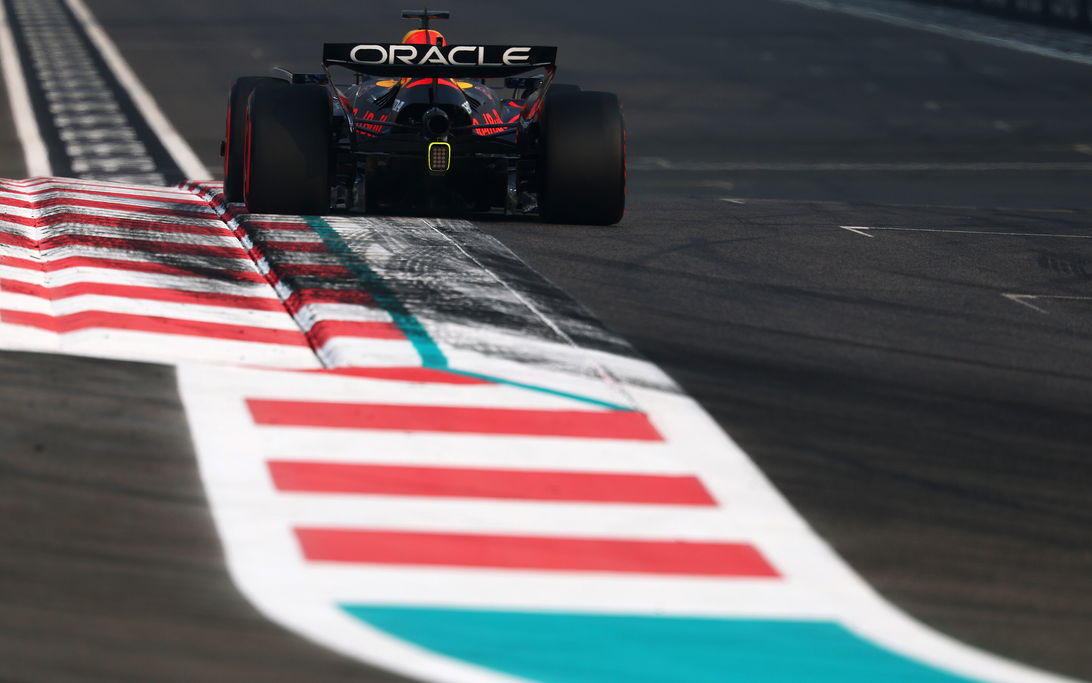
Formula 1 is slowly emerging from its short winter break. On Friday, attention turns to the first shakedown of a brand-new 2026 car — Audi’s, to be precise.
As ever, speculation about the pecking order has already begun, made all the more intriguing by the sweeping regulation changes coming into force. The big question remains: who will start 2026 in the strongest position?
So far, expectations surrounding Red Bull have not been particularly high. The Milton Keynes-based outfit is embarking on the biggest challenge in its history, as it prepares to race with a fully in-house power unit for the first time.
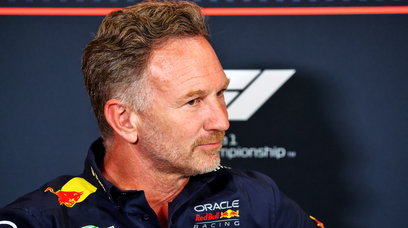
Laurent Mekies, who took over last year as CEO and team principal, has openly acknowledged the scale of the task. "Only Red Bull would decide to take on something like this," he has admitted.
That sense of ambition naturally comes with uncertainty. Can an energy drinks company really produce a competitive power unit from the outset?
Established manufacturers such as Mercedes and Ferrari possess decades of experience in this area and therefore start with a clear advantage.
Red Bull has attempted to close that gap by aggressively recruiting technical expertise from rival teams.
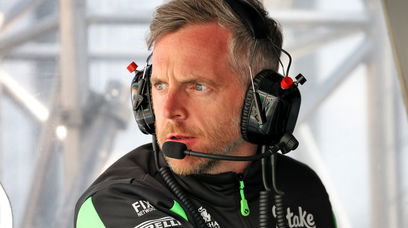
A significant number of engineers followed from the former partnership with Honda, while Mercedes was also a key source of new talent. Ben Hodgkinson — one of the architects of Mercedes’ highly successful V6 era — now heads Red Bull’s power unit project.
Viewed by others:

No room for complacency — but no reason for panic
Despite the question marks, it would be premature to write off Red Bull’s 2026 prospects at this stage. The project has been years in the making, with additional support provided by technical partner Ford.
Ford’s experience in electrical systems has been particularly valuable, especially given that the battery will account for roughly 50 per cent of the total power output under the new regulations. From that perspective, the overall technical foundation appears solid.
Even if the early races prove challenging, Red Bull is not without options. The FIA has introduced regulatory mechanisms designed to prevent long-term performance disparities, allowing power unit manufacturers that fall behind to conduct additional development work.
This means the competitive landscape could shift significantly as the season progresses, with the second half of the year potentially telling a very different story.
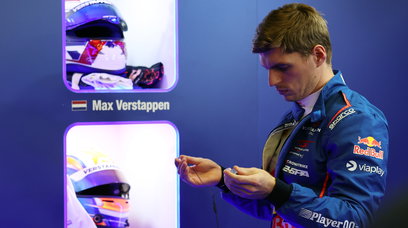
Red Bull’s most potent weapon, however, remains Max Verstappen. The four-time world champion has repeatedly demonstrated his ability to extract exceptional results from less competitive machinery.
The 2025 season stands as a prime example: McLaren possessed the strongest car across the campaign, yet Verstappen still finished the year with more victories than any other driver.
Taken together, the Verstappen–Red Bull partnership remains one of the most formidable combinations on the grid.
Even if a rival has a slight technical edge, Red Bull’s relentless development approach — combined with Verstappen’s racecraft — ensures they are never far from contention. And when the Dutchman finds himself with nothing to lose, he often delivers something extraordinary.
That ability may once again be required in 2026, as Red Bull’s rate of development is likely to prove decisive.
Also interesting:
The 2026 F1 Cars Revealed: Everything You Need to Know!
Discover how the 2026 F1 regulations will revolutionise the sport, with a shift to movable wings instead of traditional DRS, to the increased electrical power in the hybrid systems, and the introduction of 100% sustainable fuel.
Most read



In this article
Never miss a thing from the Formula 1 season! Add the 2026 F1 schedule to your calendar at the touch of a button. Subscribe below and put the dates and times of every race directly on your PC or smartphone, so you don't miss a second from the new season.
Download the F1 calendar Download the F1 calendar
A variant with just the race and qualifying is also available.
Click here to download it..





Join the conversation!