


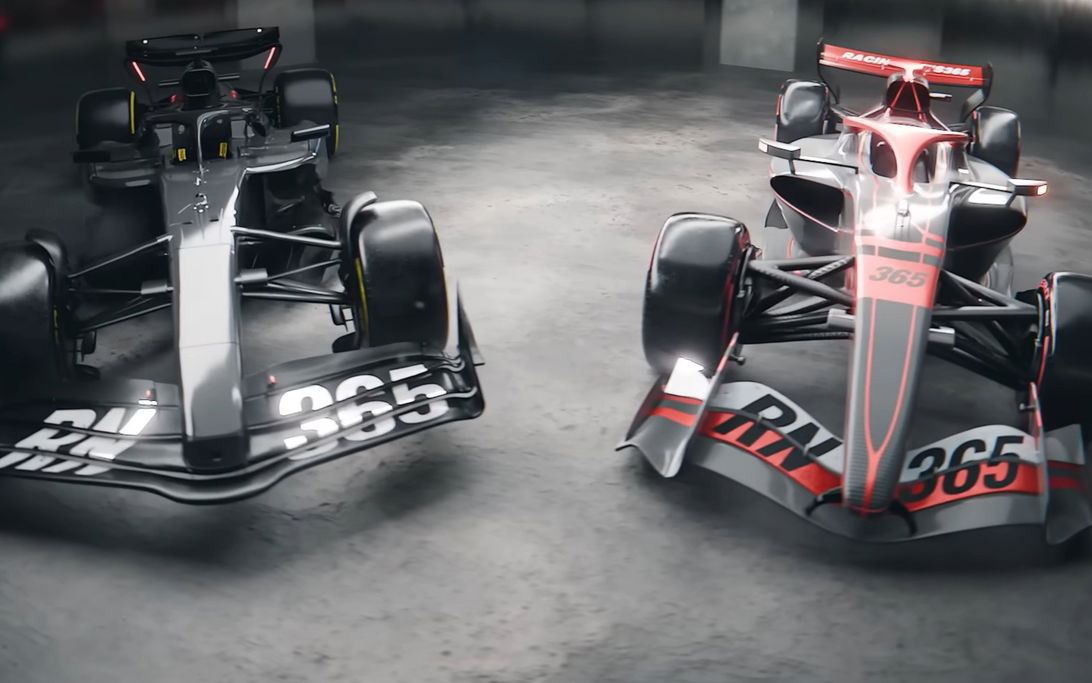
With the start of the 2026 season, drivers, teams and fans will have to deal with a completely new vocabulary of buttons, systems and regulations. From "Overtake" to active aerodynamics, from Audi's entry to the compression ratio controversy, the sport is evolving into a new era.
Here are the key terms for the coming years.
Overtake
The well-known DRS system will be replaced by Overtake Mode in 2026. Unlike the opening rear wing, which offered an aerodynamic advantage, Overtake Mode provides additional electrical power.
The system can be activated when a driver is within one second of the car ahead, similar to how DRS was allowed to be activated. There is one detection point per circuit.
With Overtake Mode, the attacking driver can charge an additional 0.5 megajoules and use it the next lap to attempt an overtake.
This means that the attacking driver has both more total energy available and access to full power at higher speeds than the car in front of him. A significant advantage to enable overtaking manoeuvres.
Boost
In addition to Overtake Mode, drivers will also have a separate Boost Mode at their disposal, a system that operates completely independently of proximity to rivals.
Boost is a button on the steering wheel that delivers the maximum combined power from both the combustion engine and the battery, as long as electrical power is available.
As opposed to Overtake Mode, drivers can use this system anywhere on the track, both for attack and defence. The strategic element is in the timing.
Drivers can decide to deploy the boost all at once for powerful acceleration, or spread the extra energy over several moments in the lap, depending on when they need the extra performance most.
This flexibility makes the boost button one of the most versatile tactical tools in the new F1 arsenal.
Recharge
Drivers can then recharge the battery with Recharge Mode. When the mode is enabled, the battery recharges by the energy released under braking.
This creates an intense task in the cockpit. Drivers must constantly switch between power input, aerodynamic modes and energy from the battery. It becomes a constant dialogue between driver and team via the onboard radio.
In early simulations, the battery would be depleted so early on a straight that a driver would have to downshift, but that is not expected to happen. However, speed can be reduced on straights.
Straight and Corner Mode
In addition to changes to the engine, 2026 also marks the end of the ground-effect era that began in 2022.
The real revolution, however, is in active aerodynamics. Both the front and rear wings get adjustable flaps that can operate in two different positions, available to all drivers on designated straights.
In Straight Mode, the front and rear wings are flatter to reduce drag in predetermined activation zones.
This lowers downforce and improves top speed. In Corner Mode, the wings remain in their standard closed position to maintain the higher downforce needed for cornering grip.
For wet conditions, there is a partial aero option where the front wing can be in Straight Mode while the rear wing remains in Corner Mode for the needed downforce.
The text continues below the image.
Compression Ratio
While the visible changes draw attention, behind the scenes a technical controversy rages over engine compression ratios.
The 2026 regulations limit the geometric compression ratio to 16:1 from 18:1 in 2025. This reduction was implemented to help new engine manufacturers and align with the transition to sustainable fuels.
The critical point: compression ratio is measured statically, not while racing. This measurement approach has generated considerable controversy.
Namely, Mercedes could still reach 18:1 if used without violating regulations. That could yield three to four tenths on a circuit like Australia.
So this term will come up often, as other engine suppliers are not happy with it. Ferrari, Audi and Honda are said to have protested to the FIA. So this topic will no doubt be continued...
Audi & Cadillac
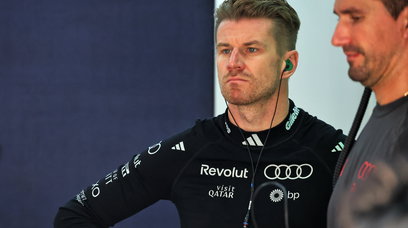
About Audi, that brand will enter F1 as a factory team in 2026 after taking over from Sauber. The team will operate from Sauber's existing headquarters in Hinwil, Switzerland, while Audi has set up a powertrain production site in Neuberg, Germany.
Nico Hülkenberg and Gabriel Bortoleto form the driver duo, with Jonathan Wheatley as team principal.
Cadillac forms the other, all-new eleventh team. The Cadillac Formula 1 Team, backed by General Motors and TWG Motorsports, received final approval in March 2025 and becomes the first new team since Haas in 2016.
The team is led by Graeme Lowdon as team boss and will initially use Ferrari engines while General Motors builds an engine for 2029.
Valtteri Bottas and Sergio Pérez should help Cadillac advance with their experience.
Red Bull Powertrains
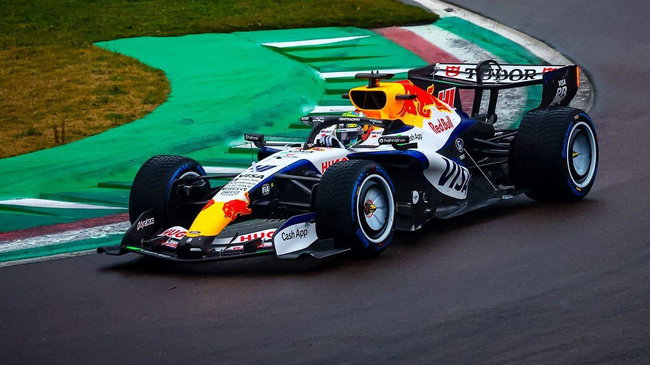
Red Bull Racing is also taking a huge step forward with Red Bull Powertrains, its own power unit to be used from 2026.
Red Bull Powertrains is developing a V6 turbo hybrid powertrain in collaboration with Ford. This is a huge project, with about 700 people contributing to it in Milton Keynes.
The question is how competitive Red Bull and sister team Racing Bulls will be, though. They have never driven its own engines before.
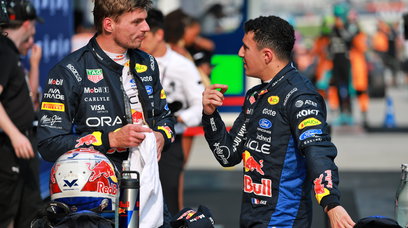
Max Verstappen and Isack Hadjar should help the team in its biggest challenge to date in the coming years.
Arvid Lindblad
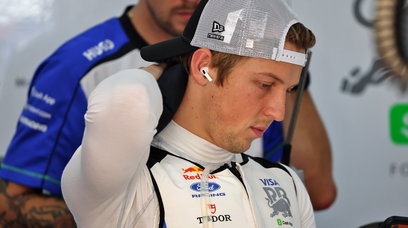
In the midst of all this technical complexity, there is one driver who is experiencing it all for the first time: Arvid Lindblad, the only rookie on the 2026 grid.
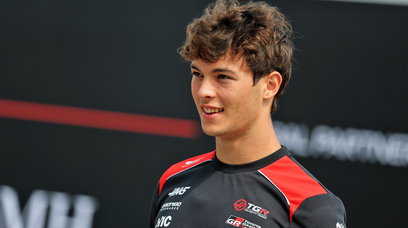
The 18-year-old British driver drives for Racing Bulls alongside Liam Lawson. Lindblad earned his seat after just one season in Formula 2, where he finished sixth in the championship with three race wins.
His path to F1 was accelerated by two appearances for Red Bull in 2025 at Silverstone and in Mexico City, where he impressed the team management enough to secure his Racing Bulls seat.
Early competitiveness will be challenging, especially since the 2026 season features completely new technical regulations and engines that even experienced drivers will have to get used to.
Spanish Grand Prix
And as if all these technical changes were not enough, the 2026 Spanish Grand Prix will be held at the Madring for the first time.
This is a street circuit near Madrid, near the IFEMA Exhibition Centre. The circuit covers 5.47 kilometres with 22 corners, including a remarkably long sloping corner, the longest sloping corner on the F1 calendar.
The Spanish Grand Prix will take place on Sept. 13 and is the sixteenth round of the season. The European season will officially conclude at the Madring.
Also interesting:
The 2026 F1 Cars Revealed: Everything You Need to Know!
Discover how the 2026 F1 regulations will revolutionise the sport, with a shift to movable wings instead of traditional DRS, to the increased electrical power in the hybrid systems, and the introduction of 100% sustainable fuel.
Most read
In this article
Never miss a thing from the Formula 1 season! Add the 2026 F1 schedule to your calendar at the touch of a button. Subscribe below and put the dates and times of every race directly on your PC or smartphone, so you don't miss a second from the new season.
Download the F1 calendar Download the F1 calendar
A variant with just the race and qualifying is also available.
Click here to download it..





Join the conversation!