


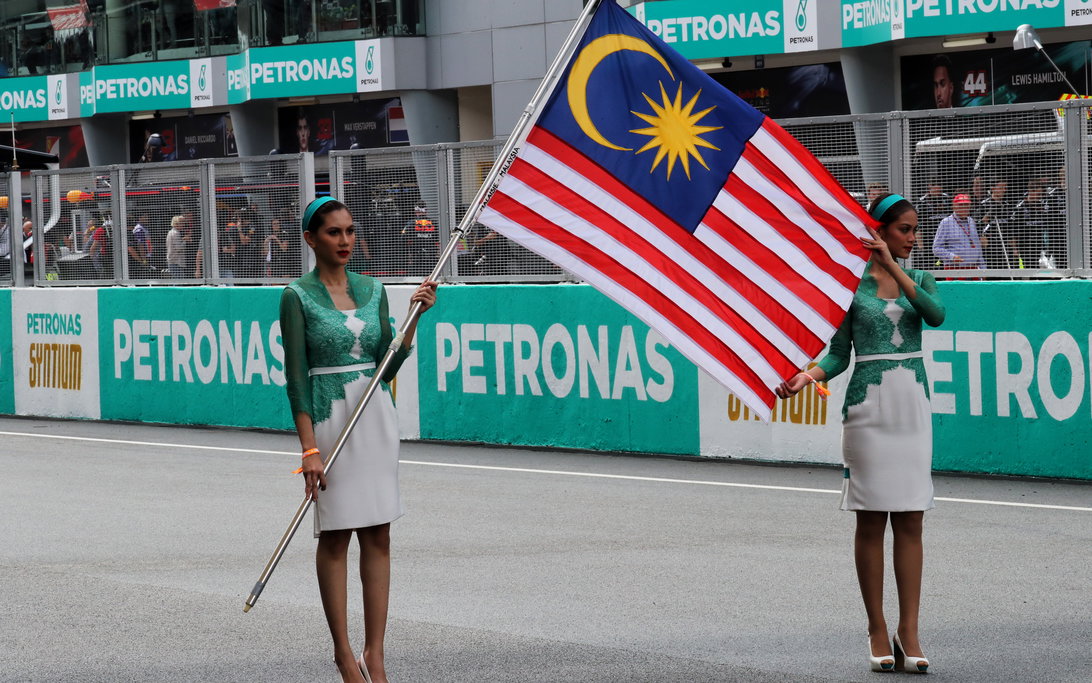
Sepang hosted 18 editions of the Malaysian Grand Prix between 1999 and 2017, and few venues on the calendar built a reputation quite like it.
Hermann Tilke's first purpose-built circuit combined sweeping high-speed corners with a brutal tropical climate, and that combination produced some of the most chaotic afternoons in F1.
Monsoon downpours arrived with little warning, tyre degradation was merciless in the heat, and title fights repeatedly found their way to Sepang late in the season. The result was a run of races that swung championships and ended afternoons in a matter of laps.
Ahead of F1's return to Malaysia this weekend, with the Bahrain GP taking place in the country, picking the best five from 18 years is no small task, but these races stand out for the drama, the strategic gambles and the consequences that rippled well beyond the finish line.
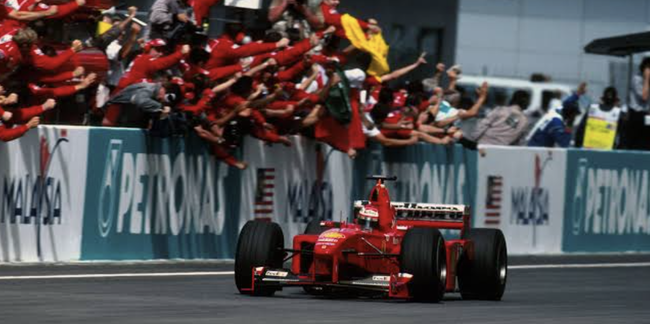
Michael Schumacher comeback and a title thrown into chaos - 1999
The inaugural race at Sepang carried enormous stakes, arriving as the penultimate round of a title fight between Mika Häkkinen and Eddie Irvine.
Schumacher, returning from a broken leg, drove in support of Ferrari team-mate Irvine, helping the Ulsterman to victory ahead of Häkkinen. But the drama did not end at the flag.
Scrutineers subsequently disqualified both Ferraris over bargeboard dimensions, briefly handing the drivers' and constructors' championships to Häkkinen and McLaren, before the FIA Court of Appeal overturned the decision days later and restored Irvine's win.
Although Häkkinen went on to take the title in the final race in Japan, few results in the sport's history have been thrown into such doubt and then reinstated so dramatically.
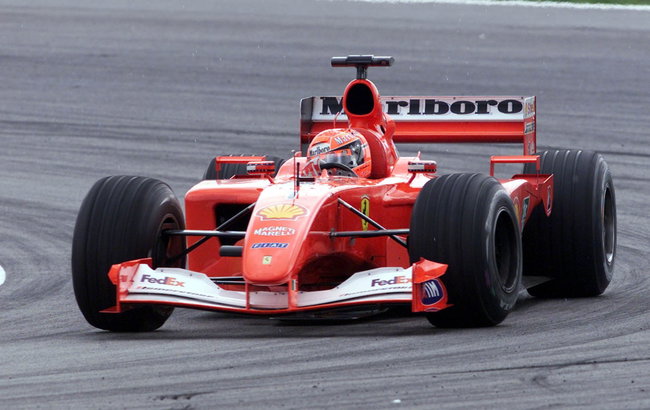
Ferrari's monsoon masterclass - 2001
Michael Schumacher's win in only the second round of 2001 remains one of the most bizarre results of his career.
An early engine failure from another car left oil on the track, and when the rain arrived on lap three, both Ferraris of Schumacher and Rubens Barrichello slid into the gravel together.
Recovery looked improbable, but Ferrari's call to fit intermediate tyres during an extended safety-car pit stop, while rivals gambled on full wets, proved inspired.
As the track dried, both cars lapped seconds faster than the field. Schumacher took victory from Barrichello, with David Coulthard a distant third, in a result built entirely on a single strategic call.
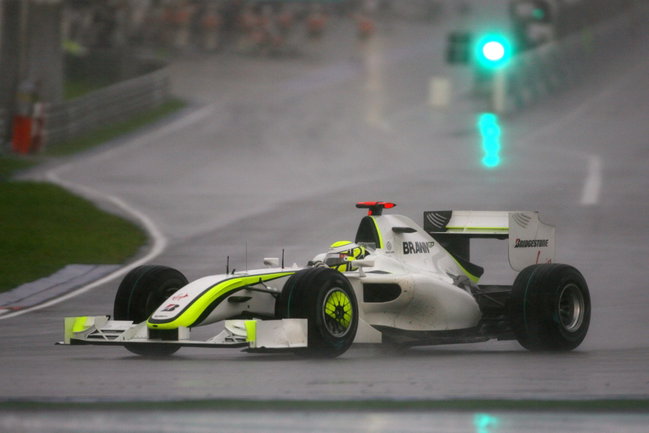
Jenson Button's soggy confirmation - 2009
Jenson Button's Brawn had dominated the opening round in Australia, and Malaysia offered an early test of whether it was a genuine title package. The answer arrived through a downpour.
Torrential rain and fading daylight forced officials to red-flag the race on lap 33, with the final classification reverting to the order at the end of lap 31.
Button, who started from pole, was declared the winner, with Nick Heidfeld and Timo Glock completing the podium.
Because barely half the scheduled distance had been completed, only half points were awarded, for only the fifth time in F1 history, a quirk that later mattered in a tightly fought championship battle.
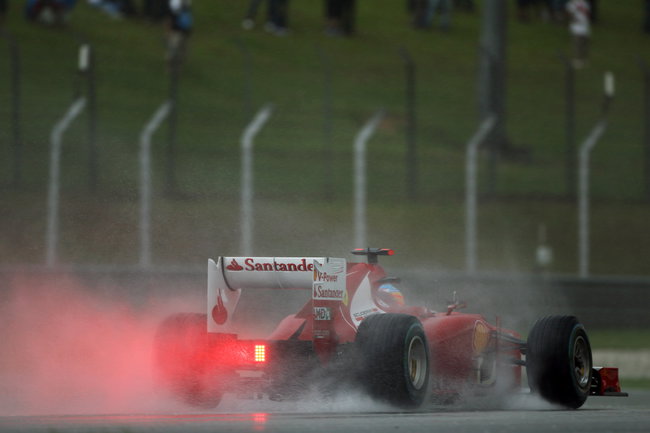
Fernando Alonso conquers the storm - 2012
Fernando Alonso's Ferrari lacked the outright pace to challenge McLaren that weekend, as Lewis Hamilton and Jenson Button locked out the front row, but another Sepang storm changed the equation entirely.
A lengthy red-flag suspension turned the race into a tyre-crossover gamble, and Alonso's wet-weather execution proved decisive.
Sergio Pérez, on a remarkable run for Sauber, closed in late on the prime tyre and looked capable of snatching the lead, only for a wide moment at Turn 9 to end his challenge.
Alonso held on to win from Pérez and Hamilton, a result built on patience and tyre management rather than raw speed.
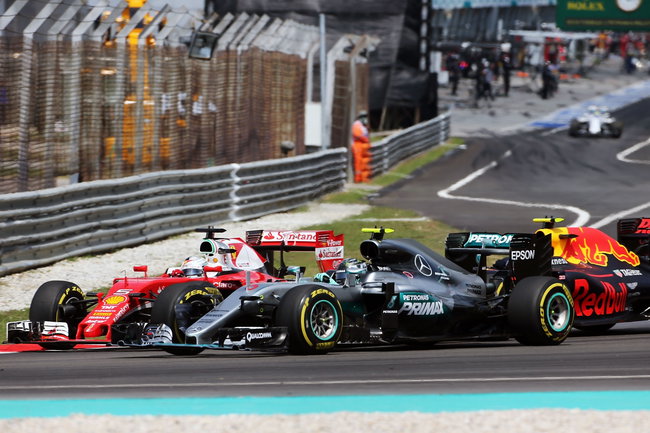
Nico Rosberg takes title control after Lewis Hamilton engine blows - 2016
Few single mechanical failures have altered a championship as sharply as Lewis Hamilton's did in 2016.
Rosberg held an eight-point lead over his Mercedes team-mate going into what was the 16th round of the 21 that year.
Although Hamilton and Rosberg locked out the front row, the title picture looked set to change dramatically when Rosberg collided with Ferrari's Sebastian Vettel into Turn 1, dropping the former to the back of the pack.
Hamilton then looked set fare for victory until, on lap 41 of the 56, he suffered an engine failure after a sudden loss of oil pressure, ending his race in a plume of smoke.
Behind him, Rosberg recovered from his collision with Vettel to claim third, a damage-limitation drive that proved pivotal in the destination of that year's title.
Daniel Ricciardo took the win ahead of Max Verstappen for Red Bull's first one-two for three years, but the story of the day belonged to the gap Hamilton's retirement opened in the standings, one Rosberg never surrendered.
Also interesting:
Join RacingNews365's Ian Parkes, Sam Coop and Nick Golding as they look back on the Azerbaijan GP but also look ahead to F1's return this weekend to Malaysia! Rumours linking Christian Horner with a return to the sport is a major talking point.


Most read
In this article
Never miss a thing from the Formula 1 season! Add the 2026 F1 schedule to your calendar at the touch of a button. Subscribe below and put the dates and times of every race directly on your PC or smartphone, so you don't miss a second from the new season.
Download the F1 calendar Download the F1 calendar
A variant with just the race and qualifying is also available.
Click here to download it..





Join the conversation!