


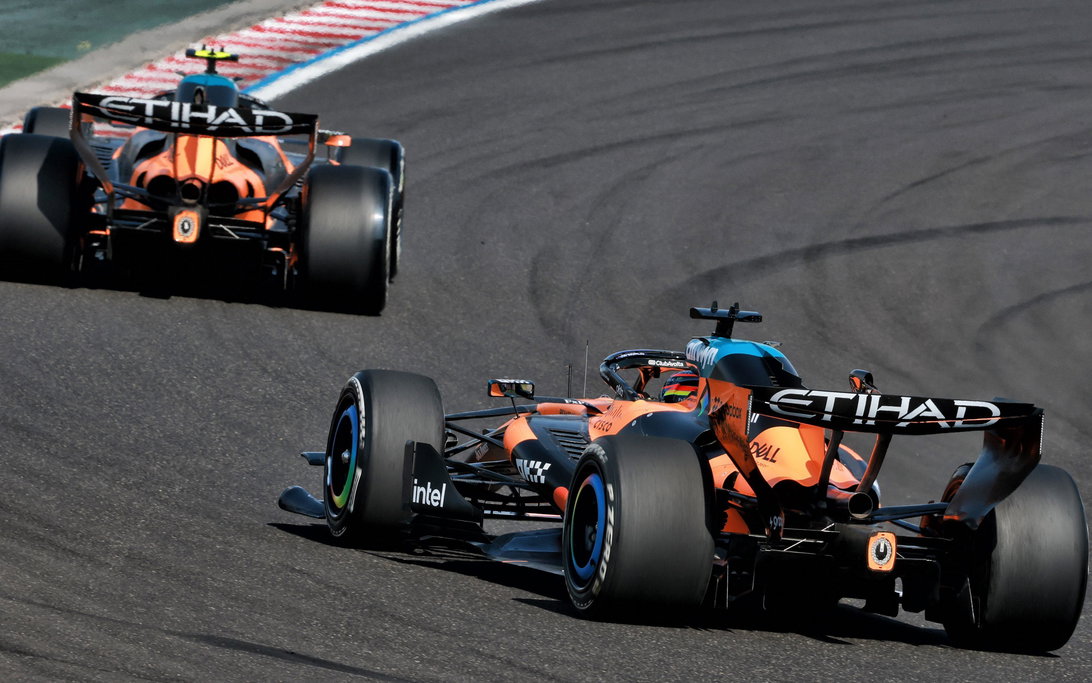
The new F1 regulations have been no small snack for the paddock to digest, but McLaren's technical director for performance, Mark Temple, has given perhaps the most flavourful analogy yet for the scale of the challenge.
Eleven rounds into a season defined by smaller, lighter cars, active aerodynamics and a radically restructured power unit, the question of just how different these machines are from their predecessors continues to generate robust debate.
Temple, though, reached for the crisp aisle when asked how the 2026 car compares to previous F1 technical resets from a chassis perspective.
"Broadly speaking, from the chassis side, we've still got four black, round tyres," he said. "They behave differently, so you have to learn how they are different, but it's a case of being a different flavour of the same thing.
"And that's true across most of the car. It's like you're used to eating ready salted crisps, and someone hands you something new like paprika, or smoky bacon.
"The power unit, though, that's the really big change. That's more like someone asks you to try corn tortilla chips."
It is an apt comparison. The chassis-side changes, while significant, are evolutionary. Active front and rear wings replace DRS, tyres have been revised, and the cars are more compact. Different flavour, same snack.
The power unit, however, is an entirely different product.
The removal of the MGU-H, a near 50:50 split between combustion and electrical power, and an MGU-K output almost tripled to 350 kW have created a machine that demands constant energy management from its drivers.
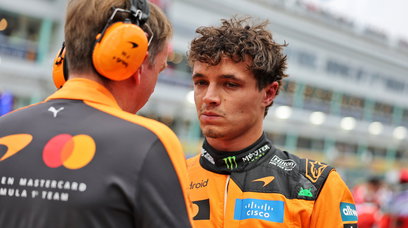
And they have not been happy about it. Lando Norris, for one, made his feelings plain after qualifying at the Australian Grand Prix: "We've come from the best cars ever made in Formula 1, and the nicest to drive, to probably the worst. It sucks."
McLaren team-mate Oscar Piastri was more measured but no less pointed, noting at Spa-Francorchamps that qualifying at times feels as though results are being decided by "computers behaving or misbehaving" rather than driver input.
Temple acknowledged that the drivers' struggles with the power unit go beyond what any amount of preparation could fully address.
"It's one thing being sat in the simulator, and being told the way you're driving isn't right, quite another to be on a racetrack, racing other cars and feeling that loss of boost and reduced power, or finding that you've used too much energy and suddenly one of your rivals overtakes," he added.
"This, obviously, is a more visceral experience for the drivers. And again, they knew the power unit would be a big part of what they do this year, but the reality always feels different."
Also interesting:
Join RacingNews365's Nick Golding and Samuel Coop as they reflect on the first half of the 2026 F1 season, answering who they believe has been the best, most disappointing, surprised us and requires a huge end to the year.
Rather watch this episode? Then click here!


Most read



Never miss a thing from the Formula 1 season! Add the 2026 F1 schedule to your calendar at the touch of a button. Subscribe below and put the dates and times of every race directly on your PC or smartphone, so you don't miss a second from the new season.
Download the F1 calendar Download the F1 calendar
A variant with just the race and qualifying is also available.
Click here to download it..





Join the conversation!