


With Audi’s entry into F1, the name Sauber will disappear, marking the end of an era for the Swiss team. However, it is not the first time a German manufacturer has taken control in Hinwil.
Two decades ago, BMW followed a similar path. Audi will be hoping its own project avoids the pitfalls that ultimately defined BMW Sauber’s short-lived existence.
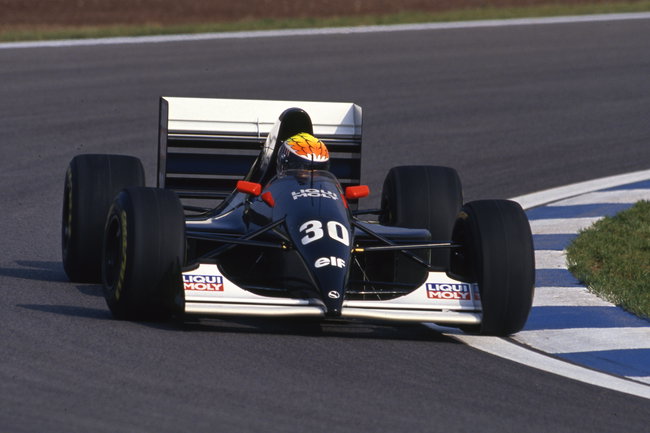
Sauber first appeared on the F1 grid in 1993 under the ownership of Peter Sauber. At a time when many private teams struggled merely to survive, the eponymous team immediately made a positive impression in an overcrowded and fiercely competitive field.
While numerous small outfits filled the back of the grid before quickly fading away, the Swiss team established itself as a credible and respected competitor.
The debut season was exceptional. The Sauber C12, powered by an Ilmor engine, was surprisingly competitive, though reliability remained a concern.
Even so, the team scored points at its very first Grand Prix in South Africa, with JJ Lehto finishing fifth. By the end of the season, Sauber had recorded six points finishes, amassed eleven points and secured seventh place in the constructors’ championship.
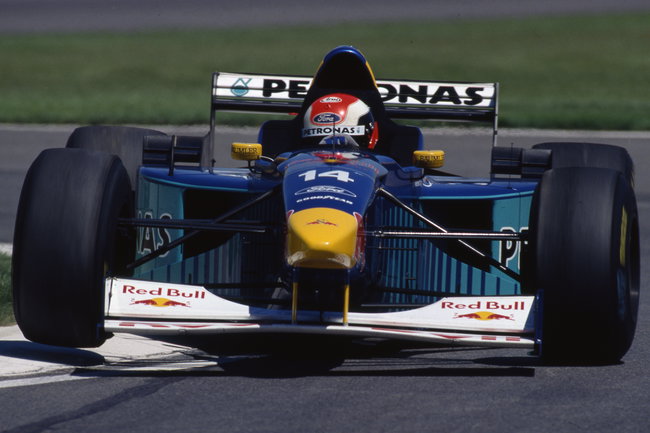
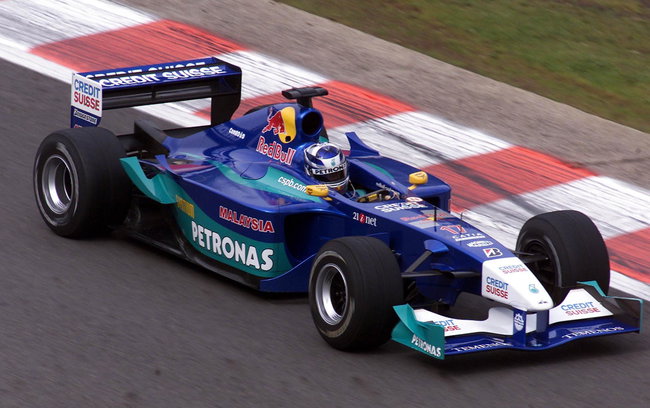
Over the following years, Sauber became a stable midfield presence. Podium finishes came sporadically, but race victories remained out of reach.
More importantly, the team developed a reputation as a launching pad for young talent. Drivers such as Heinz-Harald Frentzen, Nick Heidfeld, Kimi Räikkönen and Felipe Massa all began their Formula 1 careers at Sauber, underlining the team’s strong technical and developmental foundation.
The road to takeover
BMW’s involvement in F1 predated its partnership with Sauber by several decades. During the 1980s, the German manufacturer supplied engines to various teams, achieving its greatest success with Brabham.
In 1983, Nelson Piquet won the drivers' world championship in a BMW-powered BT52/B. These engines were immensely powerful, though often fragile. BMW withdrew from F1 in 1988, although its engine lived on briefly under the Megatron name.
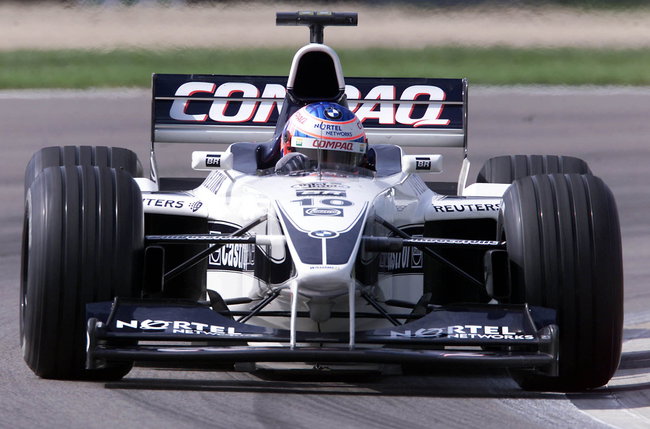
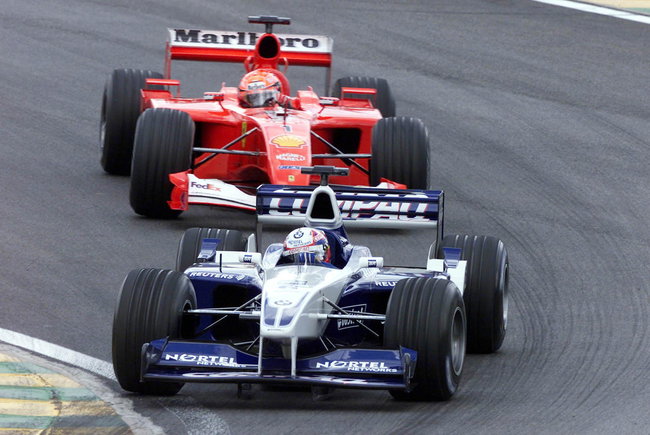
After an eleven-year absence, BMW returned to Formula 1 in 2000 as an engine supplier to Williams. The British team had endured two difficult seasons using outdated Renault engines rebadged as Supertec.
The new partnership quickly delivered results. Over six seasons, Williams-BMW won ten grands prix and finished second in the constructors’ championship in both 2002 and 2003, beaten only by Ferrari.
Despite this success, BMW’s long-term ambition was always to operate its own factory team. Relations with Williams deteriorated as BMW became convinced that its engines were capable of winning championships, but that the team itself was falling short. BMW attempted to buy Williams outright, but team founder Frank Williams refused.
The partnership ended soon after. Williams switched to Cosworth engines, then Toyota power, and its results declined sharply.
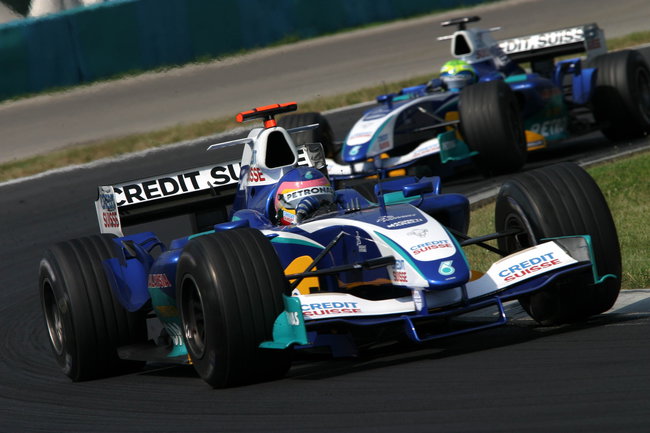
BMW, meanwhile, found a more willing candidate for acquisition. In June 2005, the German manufacturer purchased Sauber, and from the 2006 season onwards the team competed as BMW Sauber.
A promising start
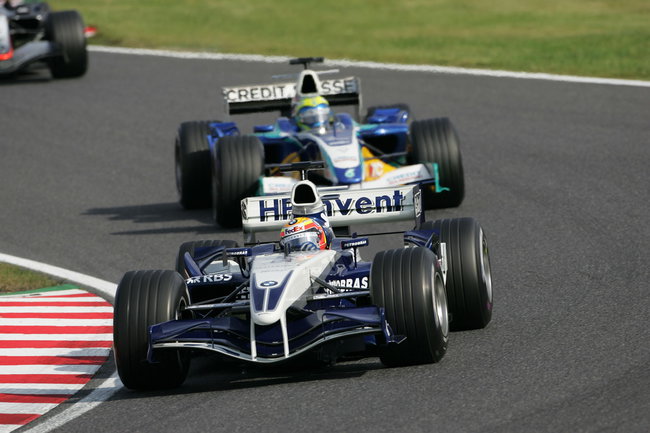
BMW Sauber’s first season showed immediate promise. Jacques Villeneuve remained with the team, while Nick Heidfeld joined from Williams.
Although the package was not yet capable of challenging for wins, progress was evident. Midway through the season, Villeneuve departed and Robert Kubica was promoted to a race seat.
Both drivers delivered strong results. Heidfeld and Kubica each scored a third-place finish, and BMW Sauber ended the year fifth in the constructors’ championship — its best result since 2002.
In 2007, the team took another step forward. BMW Sauber emerged as the clear best of the rest behind Ferrari and McLaren.
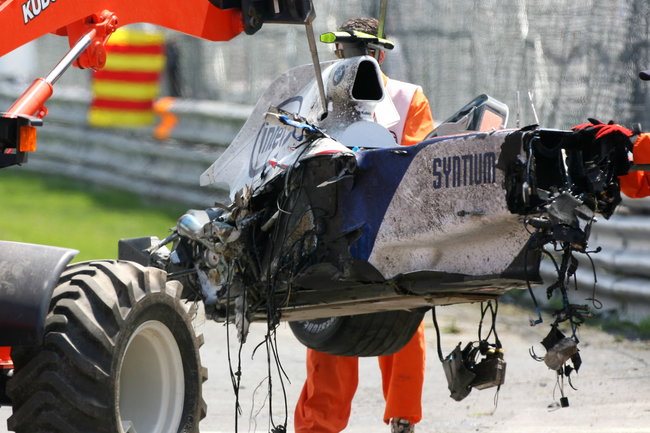
The season was not without drama, however. Kubica suffered a violent crash at the Canadian Grand Prix, hitting a concrete wall at around 250 kilometres per hour. He missed one race and was replaced by a young Sebastian Vettel, who scored his first Formula 1 point at the United States Grand Prix. Kubica made a remarkable return the following race.
BMW Sauber claimed two podium finishes that year through Heidfeld. Although a first victory remained elusive, the team was classified second in the constructors’ championship after McLaren was disqualified in the wake of the Spygate scandal.
The high point — and beginning of the end
The upward trend continued into 2008. No longer merely best of the rest, BMW Sauber was now able to challenge Ferrari and McLaren directly. Three podium finishes in the opening three races underlined its competitive status.
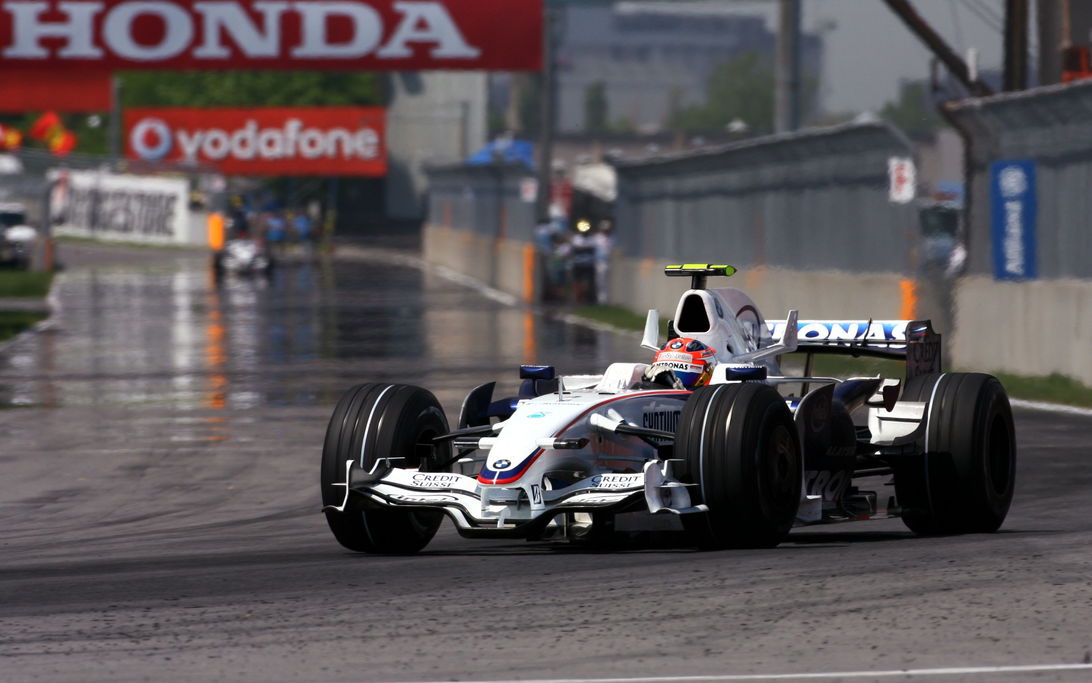
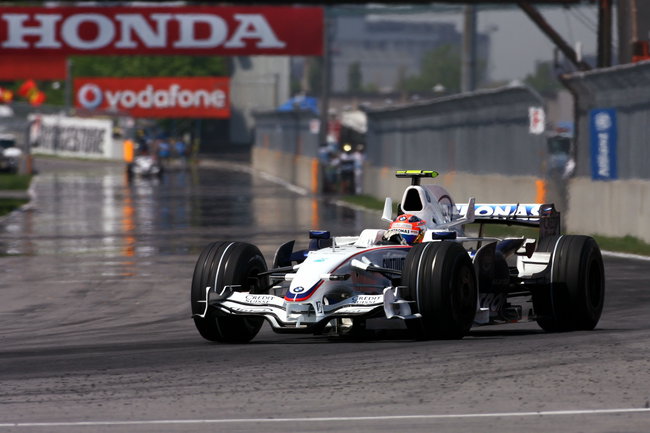
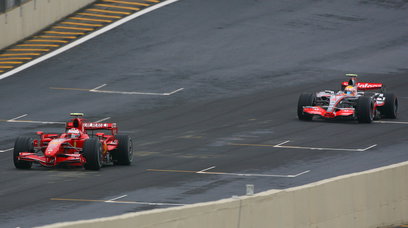
The defining moment came in Canada. Robert Kubica claimed his first F1 victory, which also proved to be BMW Sauber’s only win.
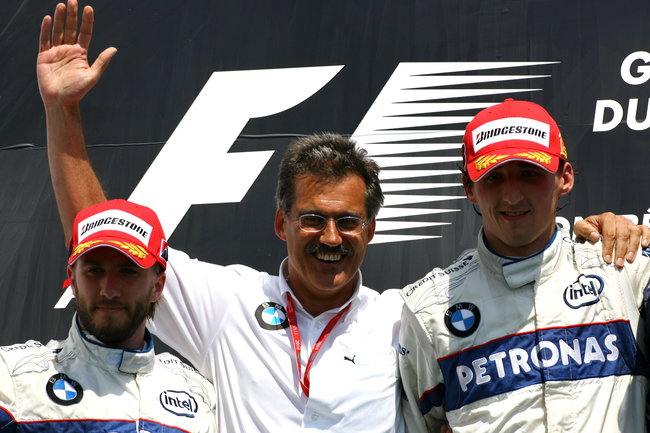
Heidfeld completed a dominant one-two finish. Following that race, Kubica led the drivers’ championship, while BMW Sauber trailed Ferrari by just three points.
At this critical juncture, the team made a decision that remains controversial to this day. BMW Sauber halted development of its 2008 car and redirected all resources towards the 2009 season. The result was immediate and damaging. Ferrari and McLaren pulled away, and although five more podiums followed, the momentum was gone.
In the season finale in Brazil, neither BMW Sauber driver finished in the points — something that had not happened for two years.
The team still secured third place in the constructors’ championship thanks to its strong early-season form, but expectations were now firmly set on 2009.
The rapid decline
Those expectations were not met. BMW Sauber misjudged a crucial regulation loophole in 2009: the double diffuser, which allowed teams to generate significantly more downforce.
Brawn, Williams and Toyota exploited the concept from the outset. Sauber introduced its own version later, but it proved less effective.
The team did benefit from running KERS, an energy-recovery system that provided short bursts of additional power. However, this advantage was limited and would soon be abandoned across the sport.
Early signs were mixed. Kubica retired after colliding with Sebastian Vettel while battling for second place in the opening race in Melbourne.
In Malaysia, Heidfeld finished second, but received only half points after the race was stopped due to rain. By the fourth round in Bahrain, both drivers were classified outside the top 18.
The remainder of the season offered little improvement. Kubica’s second place in Brazil was a rare highlight in what became BMW’s worst season in F1.
The team finished sixth in the constructors’ championship with 36 points. By then, BMW had already announced its withdrawal from the sport.
Peter Sauber ultimately repurchased the team, on the condition that it would retain a place on the 2010 grid. That place became available following Toyota’s exit from Formula 1.
Article continues beneath table.
BMW Sauber results in Formula 1
| Year | Wins | Podiums | Points | Championship position |
|---|---|---|---|---|
| 2006 | 0 | 2 | 36 | 5th |
| 2007 | 0 | 2 | 101 | 2nd |
| 2008 | 1 | 11 | 135 | 3rd |
| 2009 | 0 | 2 | 36 | 6th |
Lessons for Audi
BMW Sauber’s rapid rise and equally rapid fall offer a clear warning for Audi. The project demonstrated how quickly a well-funded, well-organised team can reach the front of the grid — but also how damaging short-term strategic decisions can be when made at a critical moment.
At the same time, BMW proved that Hinwil is capable of producing a winning Formula 1 car.
Audi has already stated that its ambitions are long-term, with a realistic target of competing for world championships around 2030. Achieving that goal will require patience, continuity and, above all, commitment beyond a few seasons.
BMW exited the sport after just four years as a factory team. Audi’s challenge will be to avoid repeating that mistake.
If it commits fully, appoints the right leadership and builds a stable driver line-up, history suggests that even a relatively small team can challenge F1’s established giants.
Whether Audi will succeed remains to be seen. What is clear, however, is that the lessons of BMW Sauber should not be ignored.
Also interesting:
The 2026 F1 Cars Revealed: Everything You Need to Know!
Discover how the 2026 F1 regulations will revolutionise the sport, with a shift to movable wings instead of traditional DRS, to the increased electrical power in the hybrid systems, and the introduction of 100% sustainable fuel.
Most read
In this article
Never miss a thing from the Formula 1 season! Add the 2026 F1 schedule to your calendar at the touch of a button. Subscribe below and put the dates and times of every race directly on your PC or smartphone, so you don't miss a second from the new season.
Download the F1 calendar Download the F1 calendar
A variant with just the race and qualifying is also available.
Click here to download it..





Join the conversation!