


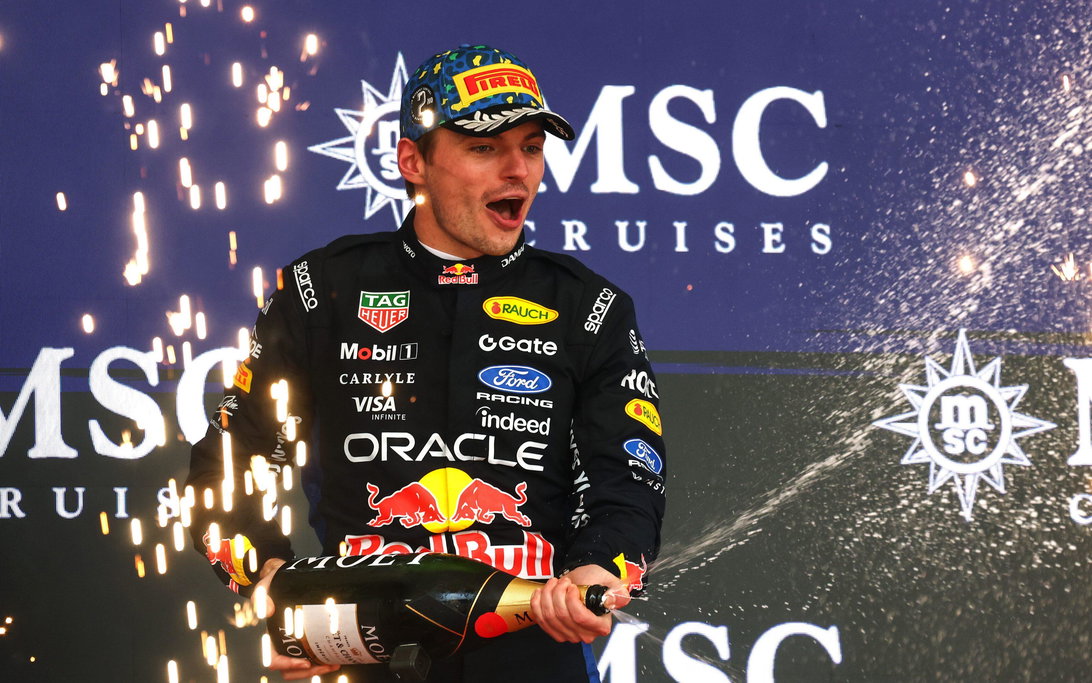
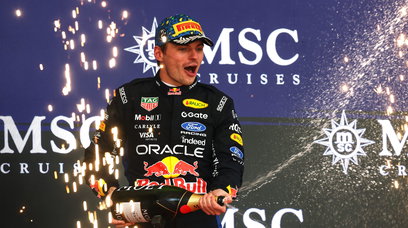
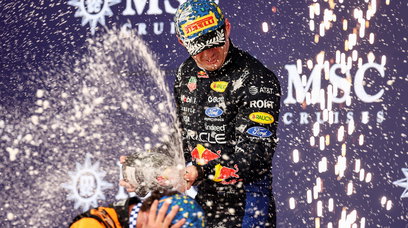
It was yet another São Paulo masterclass from Max Verstappen.
Two years ago, it was a win from 17th on the Interlagos grid; last season, third from the pit lane.
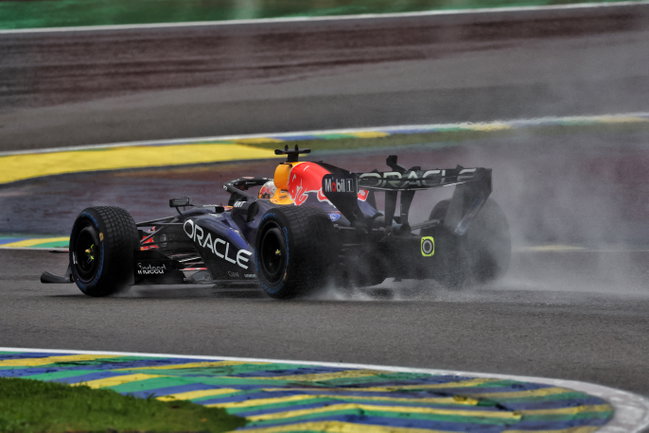
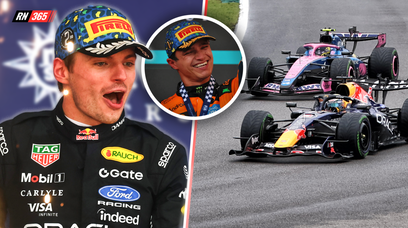
Verstappen's latest recovery drive from 21st to second at the chequered flag was built on a wet-weather setup advantage, an early surge through the pack on intermediate tyres, and a strategy that kept Red Bull a step ahead of the Interlagos weather.
The deficit Verstappen had to overcome was entirely self-inflicted by circumstance rather than pace. Red Bull fitted a fresh internal combustion engine, turbocharger and exhaust after Friday practice problems, triggering a 30-place grid penalty.
With Saturday's qualifying session also wet, Verstappen opted against setting a lap time in Q2 once the penalty made the exercise pointless, preserving sets of wet-weather rubber for Sunday rather than burning them for a grid slot he would lose anyway. It left him 21st on the grid, but with tyres in hand, should they be needed, once the race started.
That decision paid off almost immediately. Interlagos started wet, and the RB22 appeared to carry a setup advantage for the conditions, built around higher downforce trim and ride-height choices tailored for grip over the circuit's bumps.
Verstappen did not get the cleanest getaway, but once clear of the first-lap scramble, he began cutting through the midfield at a rate few others could match.
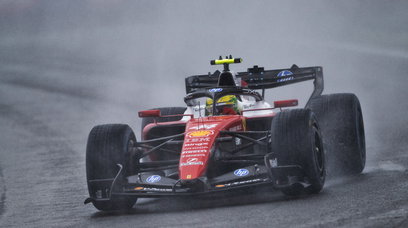
By lap eight, Verstappen had sliced his way into the top six, the standout move being a sweeping pass up the hill on Lewis Hamilton's Ferrari.
[Article continues below]
Red Bull crossover gamble
As the track began to dry, the field faced the inevitable decision of when to abandon intermediates for slick tyres. Red Bull made the call for Verstappen, and the timing of that first switch to softs helped him continue his climb, pushing him as high as second place in the middle phase of the race.
That is where his progress stalled. Soft tyres on a drying but still tricky surface produced severe high-speed oversteer, with the balance of the car shifting enough to blunt his pace through the quicker sections.
Verstappen certainly felt the car was not the same as in the first stint. "I don't know if we picked up some kind of damage because the car felt completely opposite to anything that I felt the whole weekend, with some really weird balance," he said.
"Unfortunately, once I got into P2, I couldn't really make any inroads. So we have to understand what went wrong there."
Despite the handling issues, Red Bull held its nerve with a three-stop strategy, running Verstappen through two consecutive stints on softs before switching him back to fresh intermediates when rain returned in the closing laps.
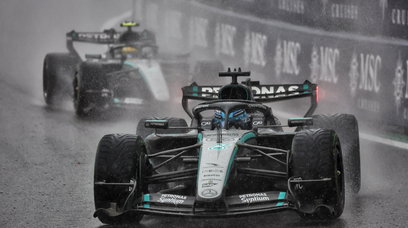
That final change proved well-timed. While George Russell lost ground after spinning at the pit exit during his own switch to slicks, and race leader Kimi Antonelli spun away the lead at Turn 1 on lap 20, Verstappen's tyre calls kept him clear of the chaos unfolding around him.
[Article continues below]


São Paulo struck by the unusual
Unusually for a wet Interlagos race, the 71 laps ran without a single red flag, safety car or virtual safety car, meaning every position change happened under green-flag racing rather than being compressed by a reset.
That mattered for Verstappen's recovery: with no neutralising periods to bunch the field and erase his advantage, every place gained on track stayed gained, and his overtakes carried their full value rather than being diluted by a later restart.
The flip side, of course, is that he was not afforded a potential crack at Norris at any restart, and with it a possible victory.
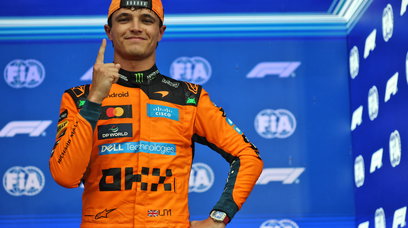
Norris converted his pole position into his third win of the season, and 14th of his F1 career, using intermediates to perfection in the closing laps to finish 14.602 seconds ahead of Verstappen. Isack Hadjar completed the podium in third, giving Red Bull two cars in the top three despite one of them starting from the very back of the grid.
What the result confirms is that Red Bull's wet-weather package at Interlagos was no fluke. The tyre strategy and setup choices gave Verstappen the tools; the rest was a now-familiar demonstration of what he does with them when the grid order means nothing to him.
Most read
In this article
Never miss a thing from the Formula 1 season! Add the 2026 F1 schedule to your calendar at the touch of a button. Subscribe below and put the dates and times of every race directly on your PC or smartphone, so you don't miss a second from the new season.
Download the F1 calendar Download the F1 calendar
A variant with just the race and qualifying is also available.
Click here to download it..


Join the conversation!