



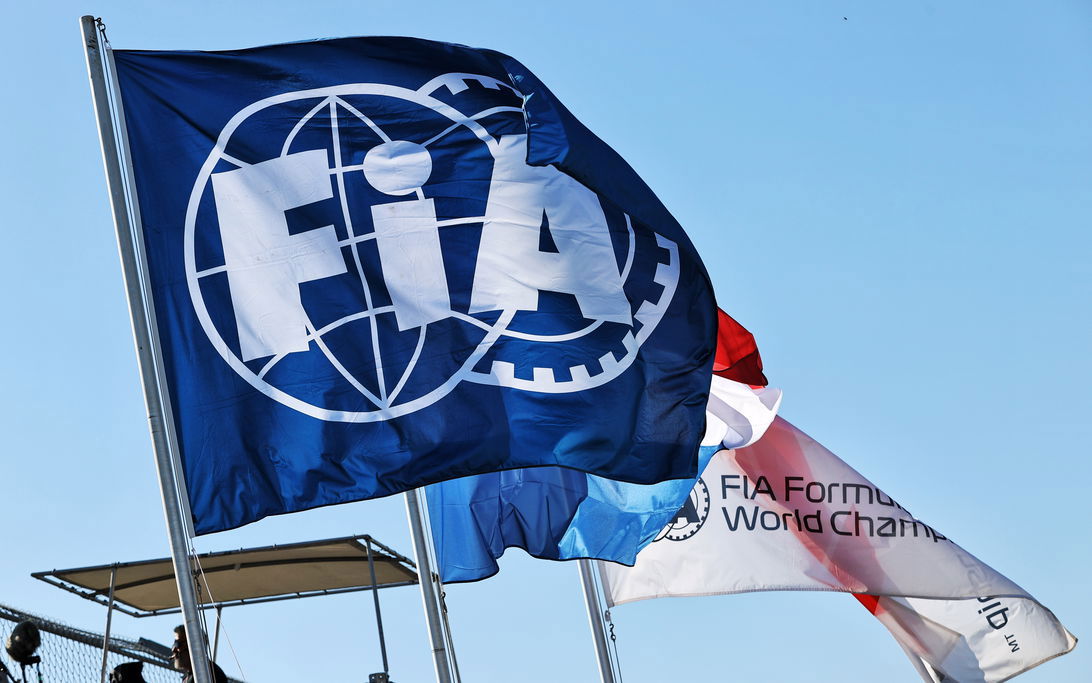
The FIA is treading an "extremely tight rope" when trying to form engine regulations which keep multiple parties happy, its single-seater technical director believes.
For 2026, the power units now feature power output split 50-50 between the internal combustion engine and beefed-up electrical systems, with the batteries now producing 350kw of power.
In 2025, the split was 80-20 towards the ICE, with the new ratio placing an ever greater demand on energy management and harvesting throughout a lap.
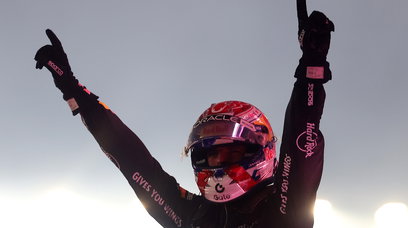
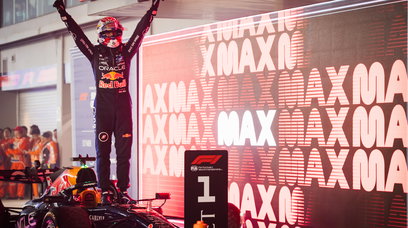
In Bahrain, four-time world champion Max Verstappen launched an astonishing broadside attack on the new engine formula, branding them as "anti-racing" and like "Formula E on steroids."
In his comments, Verstappen also hinted at the 'political' choice behind the regulations being written in such a manner, with the rules being designed to help entice new manufacturers into grand prix racing.
Audi took up that offer, and has created a full works project, including a power unit, whilst Honda has returned as supplier to Aston Martin. General Motors and its Cadillac brand have entered as a customer team to Ferrari, with an in-house power unit in the works for later in the regulatory cycle.
Verstappen's own Red Bull team is also now powered by an in-house power unit, with Red Bull Powertrains partnering with Ford, which has returned to F1 for the first time since selling its works Jaguar team, ironically to Red Bull, ahead of the 2005 season.
Detailing the process behind creating the regulations, single-seater technical chief Nikolas Tombazis has explained how the FIA faced an equation which was "not easy to solve."
"I think we need to remember that the sport has a lot of stakeholders, and drivers are extremely important as they are the stars," Tombazis told media, including RacingNews365.
"But we also have to remember that this PU attracts big motor manufacturers like Mercedes, Audi, Ferrari, Cadillac, and General Motors and so on. They all have reasons they want to be in the sport, and when these regulations were discussed, they were very adamant on these parameters.
"Life would be easier for everybody if we just had one engine and didn't have to worry about all of the, but we have found very good solutions on how to operate with this 50-50 split.
"We've done 90% of the work, and there is another 10% remaining to make some adjustments, which we are ready to do.
"It is a matter of perspective. If you're sitting in the car and you're driving it, then it's clear that you may want something different, but we also need to be conscious of the overall societal trends of why people want to be in this sport, some of the big manufacturers, because these parameters influence the decisions.
"It is an extremely tight rope to walk on because you obviously want to satisfy the spectators, and on the sporting side, you want to satisfy the drivers.
"You want to satisfy the people who invest hundreds and hundreds of millions, if not billions, into the sport, so to find the right balance is not an easy equation to solve.
"But from a pure petrolhead point of view, yes, I appreciate it, and that it may be easier to do it in a particular way, I get that."
Also interesting:
Join RacingNews365's Ian Parkes, Sam Coop and Nick Golding, as they look back on pre-season testing and start to look ahead to the Australian GP! Aston Martin's major issues are a lead discussion, as is Ferrari's lightning starts.
Rather watch the podcast? Then click here!


Most read
In this article
Never miss a thing from the Formula 1 season! Add the 2026 F1 schedule to your calendar at the touch of a button. Subscribe below and put the dates and times of every race directly on your PC or smartphone, so you don't miss a second from the new season.
Download the F1 calendar Download the F1 calendar
A variant with just the race and qualifying is also available.
Click here to download it..





Join the conversation!