

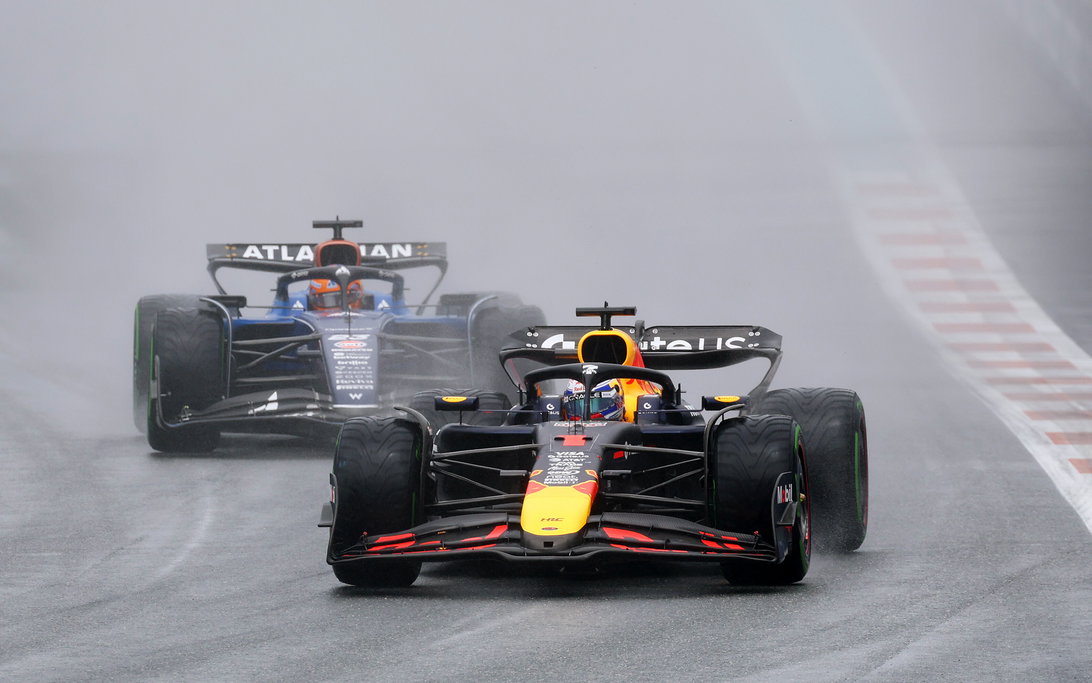
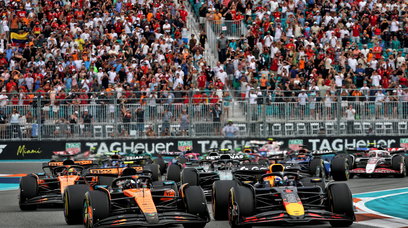
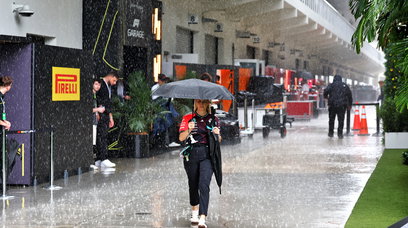
A significant meteorological development threatens to disrupt the Miami Grand Prix as multiple thunderstorm systems advance towards the Miami International Autodrome with increasing certainty.
Weather modelling conducted at the start of the week had projected these storm systems would bypass the circuit until well after the chequered flag, with Monday being the earliest anticipated arrival.
However, successive forecast revisions have systematically brought forward the projected timeline, with meteorologists now calculating a growing probability that the storms will reach the circuit during the race window itself.
The United States operates under stringent federal regulations governing outdoor sporting events during electrical storm activity.
These protocols mandate the immediate suspension of proceedings when lightning is detected within a specified radius, requiring spectator evacuation to designated shelters and grounding all aircraft operations, including the mandatory medical helicopter services.
Such circumstances would compel the FIA to deploy red flag procedures, halting the race and directing all competitors to return to the pit lane until conditions permit a safe resumption. The implications extend beyond mere inconvenience, potentially affecting race strategy, tyre allocation, and championship implications depending on the timing and duration of any suspension.
Faced with this escalating threat, the FIA has initiated discussions regarding the feasibility of advancing Sunday's race schedule. This proactive approach aims to establish operational certainty and ensure the 57-lap distance can be completed without meteorological interference.
Such scheduling modifications represent significant logistical challenges, affecting broadcast arrangements, spectator access, support series timetables, and international transmission windows. The governing body must balance these operational complexities against the imperative of delivering a complete racing spectacle.
The decision-making process involves close collaboration between race control, local meteorological services, and circuit safety officials to establish the optimal window for competition.
Current projections suggest the morning hours may offer the clearest atmospheric conditions, though this remains subject to ongoing weather analysis and official confirmation from the FIA's competition department.
Explore the latest F1 results and every stat you can imagine - From Max Verstappen to Michael Schumacher and from Ayrton Senna to Lewis Hamilton — explore every stat from the first Grand Prix to the latest race.
Explore the RN365 Stats HubMost read
In this article






Join the conversation!