


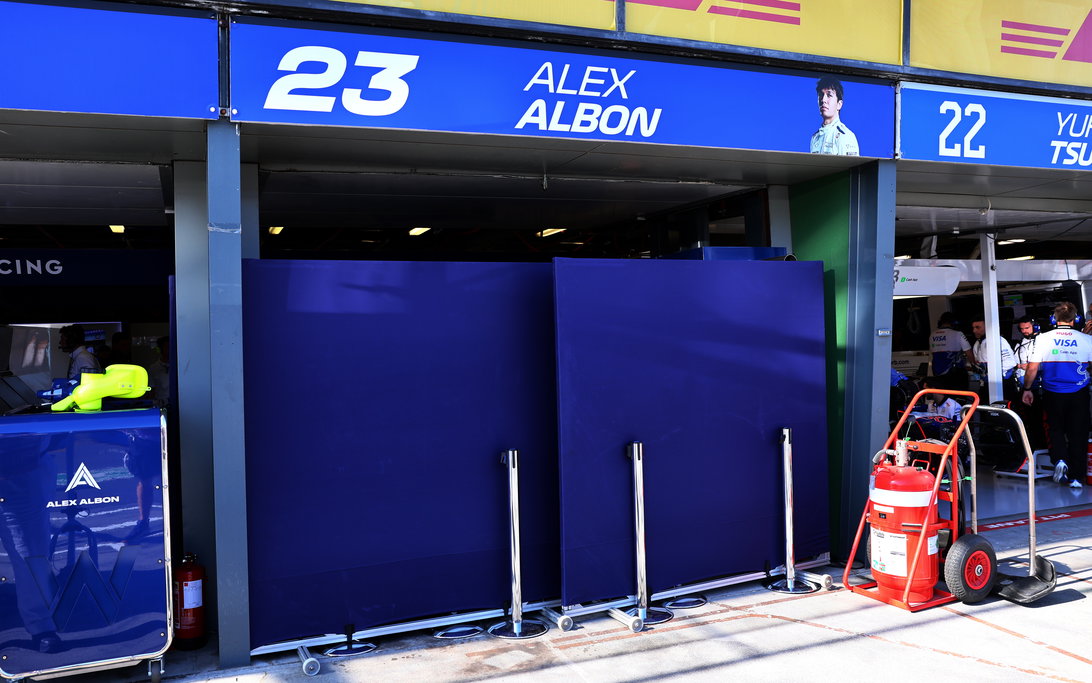
Formula 1 has reached its annual summer pause. With the Hungarian Grand Prix complete, 11 rounds of the 2026 F1 season are in the books, the paddock has dispersed, and teams are entering the sport's mandatory mid-season shutdown period.
The break is more than a gap in the race calendar. It is a regulated interval designed to stop teams from continuing performance work while the championship is away from the track.
The summer shutdown was created to serve two main purposes: controlling costs and protecting staff from an otherwise relentless schedule.
Modern Formula 1 runs from before March — when you factor in pre-season testing — and into December, with races, travel, factory development, simulator work and logistics all continuing at a heavy pace.
Without a compulsory closure, teams would be under pressure to keep developing through the summer gap, especially during a tight championship battle.
The shutdown prevents that. By forcing every team to stop car development for a fixed period, the FIA reduces the opportunity for wealthier operations to gain extra performance through uninterrupted factory work. Just as importantly, it gives engineers, mechanics, production staff and other team personnel a genuine period away from F1 duties.
A mandatory summer closure was first added to the Sporting Regulations well over a decade ago, with the now familiar 14-day structure becoming established through later rules updates. A separate compulsory shutdown also applies during the Christmas period.
Over the summer, there is no universal start date across the grid. Each team must nominate its shutdown window to the FIA before the season begins, and that window must sit within July and/or August.
For 2026, the calendar naturally places the shutdown between the Hungarian Grand Prix and the Dutch Grand Prix. The race at the Hungaroring took place from 24 to 26 July, while the season resumes at Zandvoort from 21 to 23 August.
That creates a longer summer gap on the calendar, but the regulated factory closure itself lasts 14 consecutive calendar days, and most teams will begin the two-week shutdown on Monday 3 August until Monday 17 August.
What is banned during the shutdown?
| Area | Prohibited activity |
|---|---|
| Aerodynamics | Wind tunnel running for F1 purposes |
| Simulation | CFD work or other aerodynamic computing activity linked to F1 performance |
| Design and development | Work on current or future F1 car concepts, parts, systems or upgrades |
| Manufacturing | Production of car components, test pieces, wind tunnel models, tooling or related prototypes |
| Assembly | Building, preparing or assembling F1 car parts |
| Communications | F1-specific design, development or production work by employees, consultants or subcontractors, including related emails and technical discussions |
The rule is straightforward: teams may not carry out work that contributes to the design, development or production of their current F1 car.
The intention is to stop formal development, not to police every private thought. A designer may still return from holiday with an idea, but teams cannot use the shutdown period to model, test, manufacture or process that idea through normal factory channels.
But the shutdown does not mean every single business function stops. Activities that do not improve car performance, along with essential administration and maintenance, may continue under the regulations.
These exceptions allow teams to keep essential operations safe and organised without gaining a competitive advantage during the mandated pause.
Once a team's 14-day shutdown is complete, its factories can reopen for normal F1 work.
What work can still continue?
| Area | Permitted activity |
|---|---|
| Accident damage | Repairs to a car damaged before the shutdown, but only with FIA approval |
| Show cars | Work on static or demonstration cars, provided current F1 components are not used |
| Non-F1 projects | Wind tunnel or CFD activity unrelated to a team's F1 programme |
| Facility upkeep | Maintenance of buildings, IT systems, equipment and factory infrastructure |
| Logistics | Preparation of sea freight, excluding current F1 car components |
| Administration | Financial stocktaking and routine non-performance-related business work |
| Staff activities | Team-building, welfare and entertainment activities for personnel |
Also interesting:
Join RacingNews365's Nick Golding and Samuel Coop as they look back on last weekend's Hungarian Grand Prix. Mercedes being comfortably beatable is a major talking point, as is whether Lando Norris has the capability of completing a title fight comeback.
Rather watch this episode? Then click here!


Most read




In this article
Never miss a thing from the Formula 1 season! Add the 2026 F1 schedule to your calendar at the touch of a button. Subscribe below and put the dates and times of every race directly on your PC or smartphone, so you don't miss a second from the new season.
Download the F1 calendar Download the F1 calendar
A variant with just the race and qualifying is also available.
Click here to download it..





Join the conversation!