
Beyond the Finish Line: How Technology Is Transforming Formula 1 Sports Betting
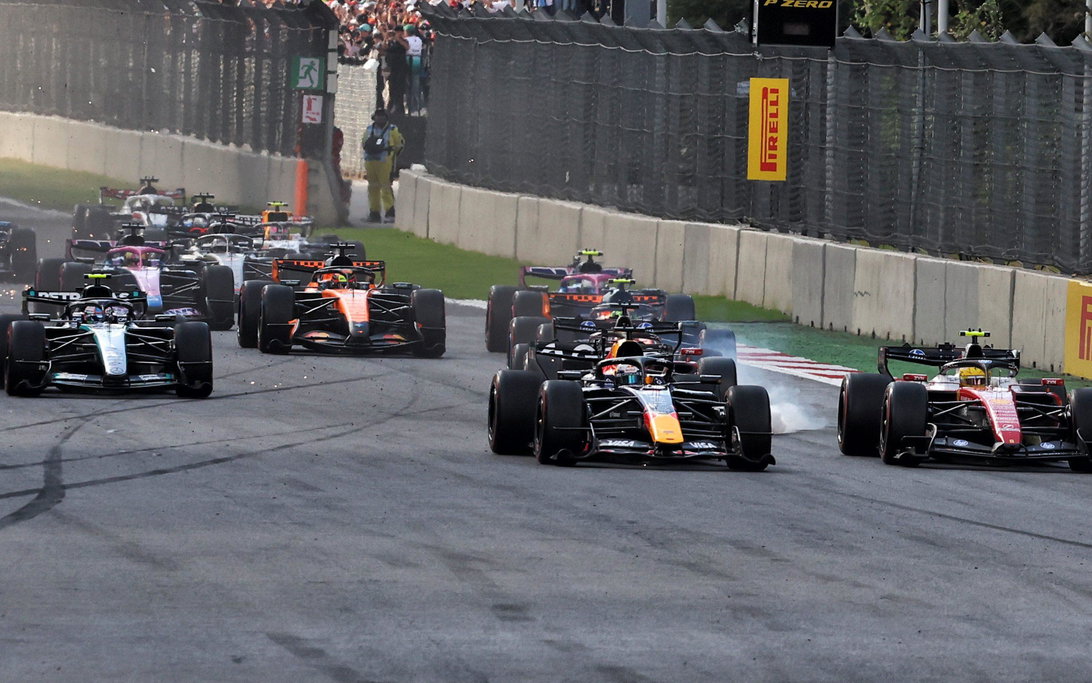
Formula 1 has always been a sport driven by technology. From advanced aerodynamics and hybrid power units to real-time telemetry and complex race strategies, innovation shapes what happens on the track. Today, technology is also changing how fans engage with the sport away from the circuit, and sports betting is one of the areas developing fastest, with data analytics, artificial intelligence and real-time software opening up new ways to follow a Grand Prix.
As motorsport's global audience grows, the link between F1 and betting is becoming more visible. Traditional markets such as race winner and podium finish now sit alongside far more detailed options. Behind them is an evolving technology infrastructure, and a modern sportsbook solution must process vast amounts of race information and turn it into markets that update as the action unfolds.
Real-Time Data Is Changing the Betting Experience
Every Grand Prix generates enormous amounts of information, including lap times, sector performance, tyre choices, pit-stop activity, weather changes and track positions. Teams collect hundreds of data channels from their cars, and the way F1 telemetry has developed over the years shows how central data has become to the sport.
Betting markets, however, rely mainly on official timing and positioning feeds rather than teams' private engineering data. Accurate, timely feeds let markets respond to changing race conditions instead of depending only on pre-race statistics. An unexpected pit stop, a Safety Car or a sudden rain shower can transform a race, and real-time data allows betting systems to reflect those developments quickly.
The Growth of In-Play Betting in Formula 1
In-play betting has become an important part of the online sports betting industry, and Formula 1 is particularly well suited to it. Rather than placing every bet before the lights go out, customers can engage with selected markets during the race, such as driver head-to-heads, fastest lap or pit-stop outcomes.
The sport's complexity is what makes this interesting. Positions can change within seconds, while team decisions, tyre strategies and track conditions can swing a race in different directions. Turning those moments into live markets requires accurate data feeds, reliable trading systems and fast communication between every part of the platform.
Artificial Intelligence and Predictive Analytics
Artificial intelligence and machine learning are also influencing how F1 betting products are built. The sport produces extensive historical and live datasets, and predictive models can weigh factors such as previous results, qualifying positions, circuit characteristics, tyre performance and weather.
Teams themselves rely on this kind of analysis; drivers routinely compare their data with team-mates to understand where time is gained or lost, as Daniel Ricciardo explained when discussing the things in Lando Norris' data he could not replicate. For sportsbook trading teams, similar models help assess probabilities and manage markets more efficiently.
AI does not remove uncertainty, though. Mechanical failures, collisions, Safety Cars and surprise strategy calls can change a race in an instant. The value of predictive technology lies in processing complex information to support better-informed decisions, not in guaranteeing outcomes.
The Software Behind Modern Sportsbook Platforms
Delivering a modern F1 betting experience takes more than access to data. Sportsbook platforms connect several components, including data feeds, odds management tools, trading systems, payment services and player account management.
Application programming interfaces (APIs) allow these systems to exchange information. When a race incident occurs, data travels to the sportsbook infrastructure, is processed by the trading systems and appears in the betting interface. Speed and reliability are vital: any delay can create a gap between what is happening on track and what the platform displays. Even race control's own systems can be affected, as the FIA's explanation of a hardware issue during the French GP Virtual Safety Car showed.
Scalability matters too. Major Grand Prix weekends drive significant traffic, and cloud computing, microservices architecture and automated monitoring help operators stay reliable during peak demand.
Creating More Engaging Digital Experiences
Technology is also changing how F1 betting information is presented. Platforms can combine markets with live statistics, driver comparisons, race timelines and visual track maps, making complex motorsport information easier to follow.
Fans expect a consistent experience across smartphones, tablets and desktops, so platforms must be responsive and intuitive on every screen. Data-driven personalisation can help surface relevant content, provided privacy and responsible gambling requirements are respected.
Responsible Gambling and Data Integrity
As new betting opportunities emerge, responsible gambling and data integrity remain essential. Because live markets move quickly, operators need effective monitoring, transparent market rules and clear procedures for suspending or settling markets when unexpected incidents occur.
Reliable, officially authorised data sources help ensure markets are built on consistent information. Operators must also provide responsible gambling tools such as deposit limits, time controls, self-exclusion and access to support, in line with local regulations. Technology should support a fair and controlled betting environment, not simply increase the speed or volume of betting.
What Does the Future Hold for F1 Betting Technology?
The relationship between Formula 1 and sports betting will keep evolving as data infrastructure becomes more sophisticated. Advances in predictive analytics, real-time processing and visualisation could support more detailed markets and richer race information.
F1's commercial strategy already points this way. In February 2025, the championship named ALT Sports Data its Official Betting Data Supplier, tasked with developing real-time predictive analytics and priced odds for the betting industry, underlining the growing importance of authorised data.
Technology may not decide who crosses the finish line first, but it is transforming how fans follow the race and how the betting industry responds to every moment of the action.
Article provided by Altenar
-
Liam Lawson backed for new F1 option if Racing Bulls swing axe
-
LIVE: Reaction as Antonelli tops FP2 in foggy Interlagos conditions
-
F1 champions trade places as mist descends on Sao Paulo GP practice
-
2026 F1 Sao Paulo Grand Prix - Brazil Free Practice 2 results
-
F1 debutant facing investigation for dangerous Charles Leclerc incident
-
Nico Hulkenberg suffers Brazil disaster after early rookie Audi failure
-
Toto Wolff offers first insight into Esteban Ocon axe from Haas
-
Ferrari reveal outcome of crunch Hamilton-Leclerc meeting after Mexico spat
-
Valtteri Bottas insists Cadillac seat safe despite growing F1 axe rumours
-
Dan Ticktum fronts Fortescue Formula E launch amid Taylor Barnard legal battle
| Race | Date |
|---|---|
 São Paulo GP |
08 Nov 2026 |
 Las Vegas GP |
22 Nov 2026 |
 Qatar GP |
29 Nov 2026 |
 Abu Dhabi GP |
06 Dec 2026 |