


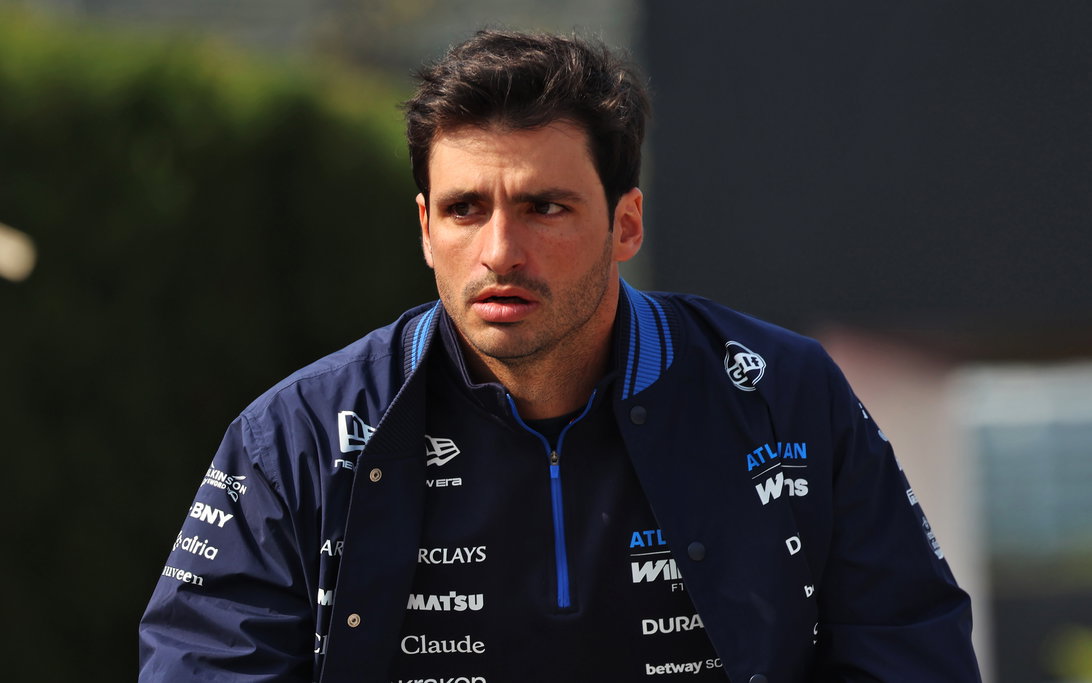
Carlos Sainz has urged the FIA not to only listen to the F1 teams when considering changes to the more controversial elements of the 2026 regulations.
The motorsport governing body will be addressing some of the shortcomings of the new rules ahead of the Miami Grand Prix.
A side product of Bahrain and Saudi Arabia being cancelled is that it will have time to take a considered approach, with qualifying high up on the agenda of issues to fix.
However, Oliver Bearman's terrifying crash at the Japanese Grand Prix illustrated the inherent danger of the power unit regulations.
The Haas driver had a sudden, significant overspeed differential when fighting Franco Colapinto ahead, with the end result being an enormous 50G crash into the barriers.
Thankfully, the Briton was able to avoid contact with the Alpine and only limped away with bruising to his knee.
It prompted the FIA to release a statement in the aftermath of Suzuka, reaffirming that a "structured review" would take place following the opening round of the season.
Numerous drivers, including Sainz and Lando Norris, had warned that it was only a matter of time before a Bearman-like shunt — or worse — occurred. Post-race, the Spanish driver, who had not yet seen the incident, reiterated that position.
"There were a lot of big moments there in the first three laps, while we were all sorting out our energies, until our systems learn," he told media, including RacingNews365.
"With the closing speeds we have with the boost button, or even without using the boost button, sometimes your engine gives you a lot more speed than the guy in front, depending on where the other [driver] is on the energy.
"And it was only a matter of time [before] the first big crash was going to happen.
"I don't know if Franco did anything stupid or not; I cannot judge, but independently of that, these kinds of accidents are going to happen a lot with this set of regulations."



Why Sainz wants the FIA to listen to the drivers' feedback
The 31-year-old, who is also a Grand Prix Drivers' Association director, would like to see the FIA better take into account the feedback of the drivers, and not solely rely on that of the teams.
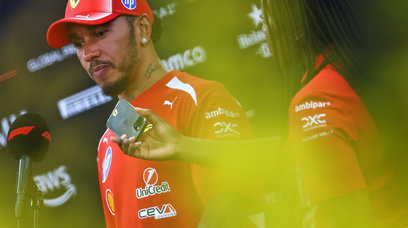
After the race at Suzuka, Lewis Hamilton pointed out how the drivers "don't have any power" and "no voting rights" in the decision-making process, and Sainz highlighted the issue with that.
The Williams driver noted how the teams' stance could be warped by what might appear to be entertaining racing from a spectator perspective.
"That's a problem when you only listen to the teams, that they will think the racing is okay, because maybe they're having fun watching it on the TV," Sainz said.
"But from a driver's standpoint, when you are racing each other, and you realise that there can be a 50 kph speed delta, that's actually not racing.
"There's no category, I think, in the world where you have these kinds of closing speeds, because that's when big actions can happen, because it catches you by surprise, you defend late, it catches you [up to] the car in front, or...
"Anyway, I really hope they listen to us, and they focus on the feedback we've given them, rather than only listening to the teams.
"And that they come up with a plan for Miami that improves the situation, and a plan also for the medium-term future of these regulations, to keep improving it.
"Even if you cannot improve everything for Miami, do a step — another good step in Miami — and then a big step for, I don't know if it's next year or later in the season."
Most read
In this article
Never miss a thing from the Formula 1 season! Add the 2026 F1 schedule to your calendar at the touch of a button. Subscribe below and put the dates and times of every race directly on your PC or smartphone, so you don't miss a second from the new season.
Download the F1 calendar Download the F1 calendar
A variant with just the race and qualifying is also available.
Click here to download it..





Join the conversation!